
Menu
Condominium & HOA Property Damage Claims Attorney — Protecting Condo Owners, Associations & Property Managers in Florida and Texas
Condominium insurance claims, HOA disputes, and property damage require an experienced attorney. Get a free consultation from our law firm today! Call 786-786-9633


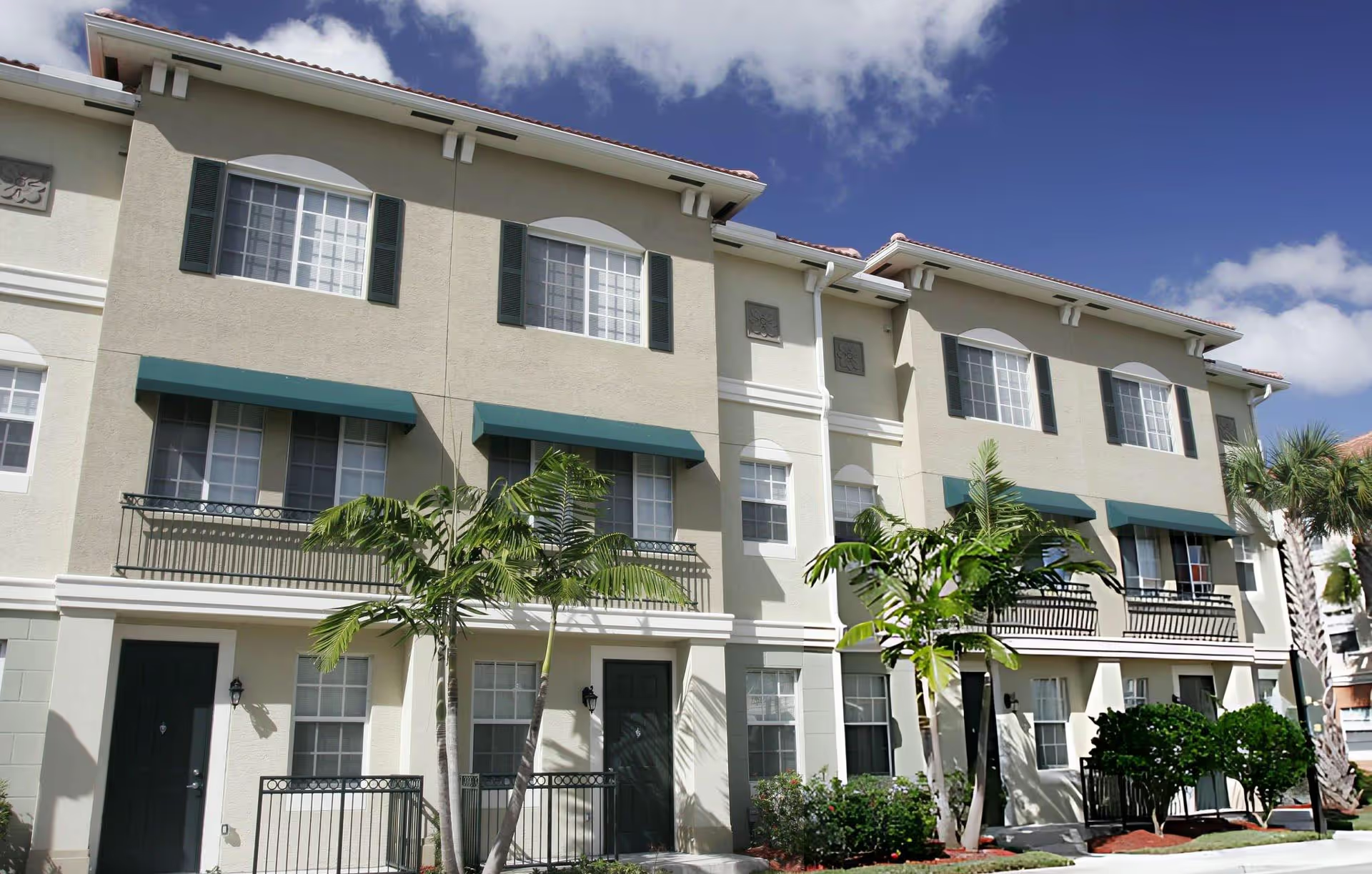
Condominium and HOA property insurance claims are some of the most complex property damage claims in Florida and Texas. Unlike single-family homes, condos involve multiple parties, overlapping responsibilities, shared structures, and multiple insurance policies. When a catastrophic event or any damage occurs — whether from water, storms, mold, fire, plumbing failures, or structural issues — the question becomes: Who is responsible? The condo unit owner? The homeowners association? The master policy? The individual policy?
Insurance companies take advantage of this confusion when it comes to condominium claims. They delay, deny, or underpay property damage claims by pointing fingers at the HOA, the individual condo owner, or another insurer. At Finman Law Group, our condominium insurance claims attorneys cut through the confusion and fight aggressively to make sure the correct insurance company pays what they owe — whether you're inHouston, South Florida, Tampa, Central Florida, or anywhere throughout Florida and Texas.
Call 786-786-9633 | Free Consultation | No Upfront Fees | Florida & Texas
Understanding Condominium Insurance Claims & HOA Property Damage
Condo buildings have two main types of property insurance coverage — and understanding the difference is critical to recovering money after damage to your condo:
1. The Master Policy (HOA Policy)
The homeowners association's master policy typically covers:
- Roofs and exterior walls including the roof structure
- Common areas, hallways, lobbies, and walkways
- Elevators and shared structural components
- Common plumbing lines and electrical systems
- Shared HVAC systems
2. The Individual Unit Owner's Policy (HO6 Policy)
The individual property owner's policy typically covers:
- Interior walls, flooring, and cabinets
- Appliances and personal property
- Interior plumbing and electrical fixtures
- Additional living expenses when the condo unit is uninhabitable
Insurance companies often try to shift responsibility between these two policies to avoid paying your property damage claim. Our condominium insurance claims lawyers make sure the right policy pays the right amount.
Why Condo & HOA Property Insurance Claims Are Often Denied or Underpaid
Condominium insurance claims are expensive and involve complex legal questions. Insurers use predictable tactics to deny valid property damage claims and avoid paying full value:
- "Damage is the HOA's responsibility" — or the unit owner's, depending on who they're talking to
- "Wear and tear" or "long-term seepage"
- "Improper maintenance" by the condominium association or individual units
- "No storm-created opening"
- "Damage not caused by a covered peril"
- "Cosmetic damage only"
- "Insufficient documentation"
These excuses are designed to save the insurer money — not to protect your property or property values. Finman Law Group's claims attorneys know how to challenge every one of these tactics.
Types of Property Damage in Condominium & HOA Claims
Water Damage
One of the most common types of property damage in condo claims. Water can come from roof leaks, plumbing leaks, burst pipes, AC leaks, water heater failures, storm-driven rain, or neighboring individual units. Visit our Water Damage Claims page for more details.
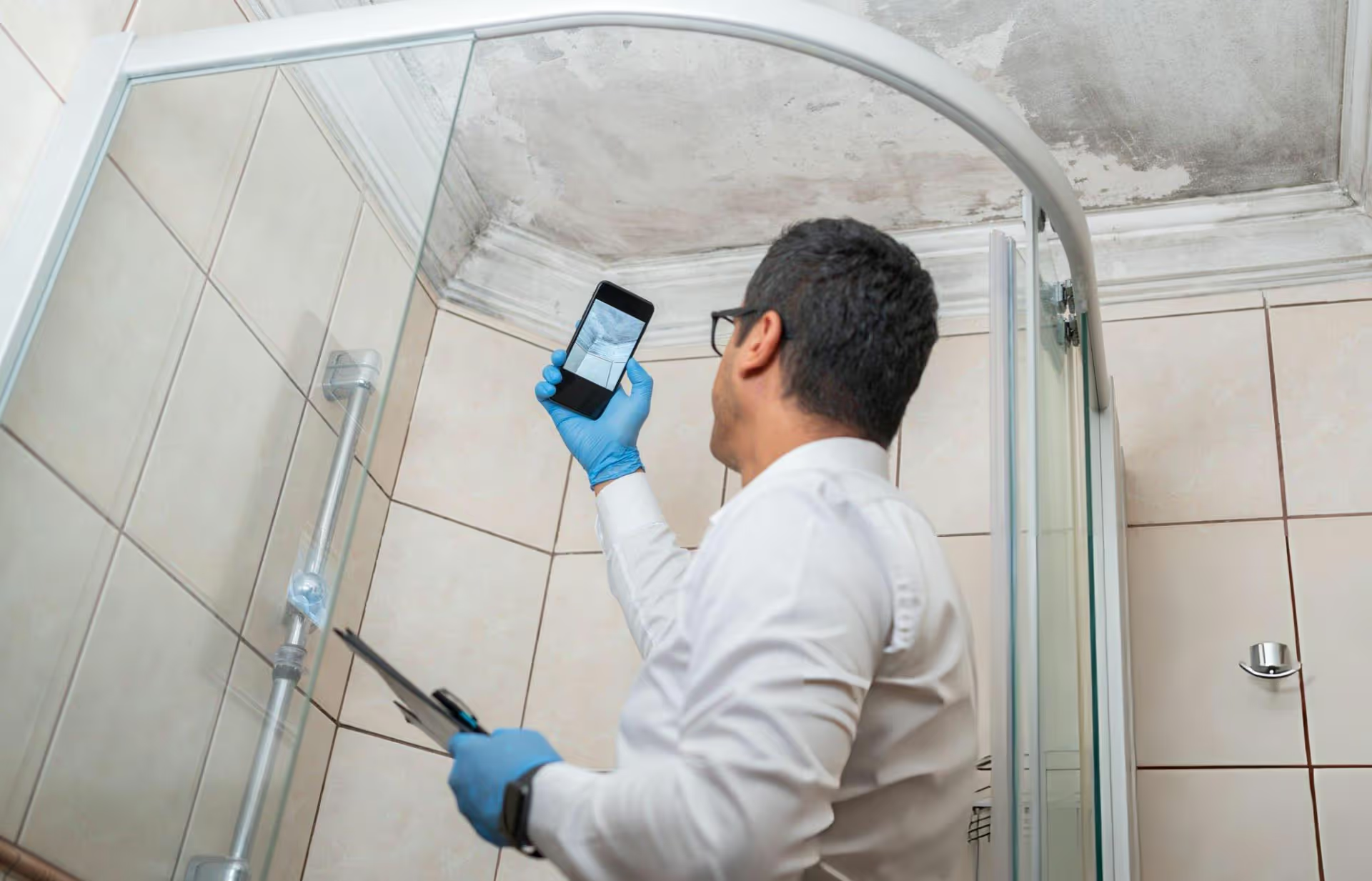
Mold Damage
Moisture spreads quickly in multi-unit buildings, and mold can affect individual units as well as common areas throughout the building. See our Mold Damage Claims page.
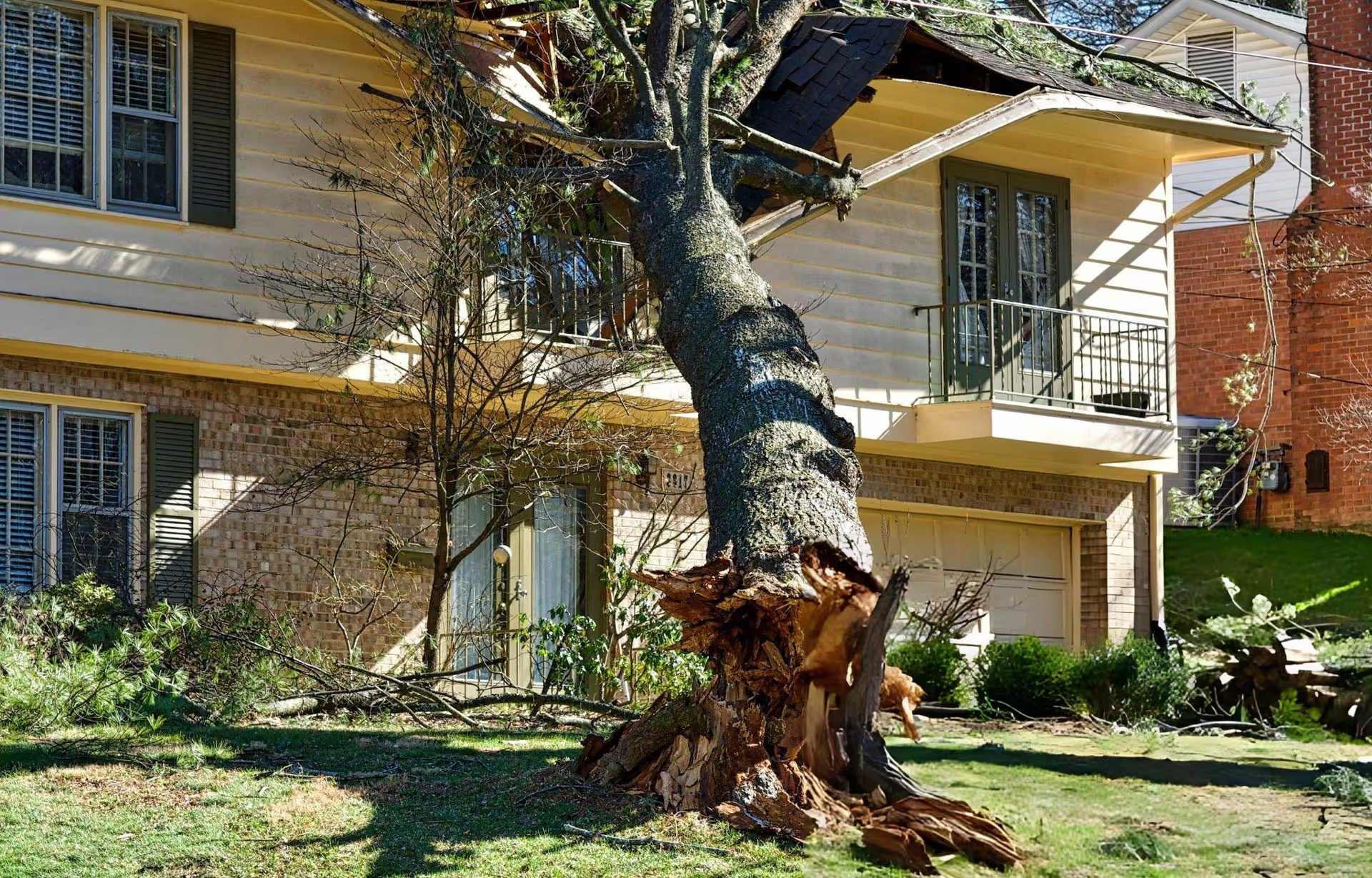
Roof & Exterior Damage
Wind, hail, and hurricanes frequently damage condo roofs and exteriors — areas typically covered under the homeowners association's master policy. Visit our Roof Damage Claims and Windstorm Damage Claims pages.
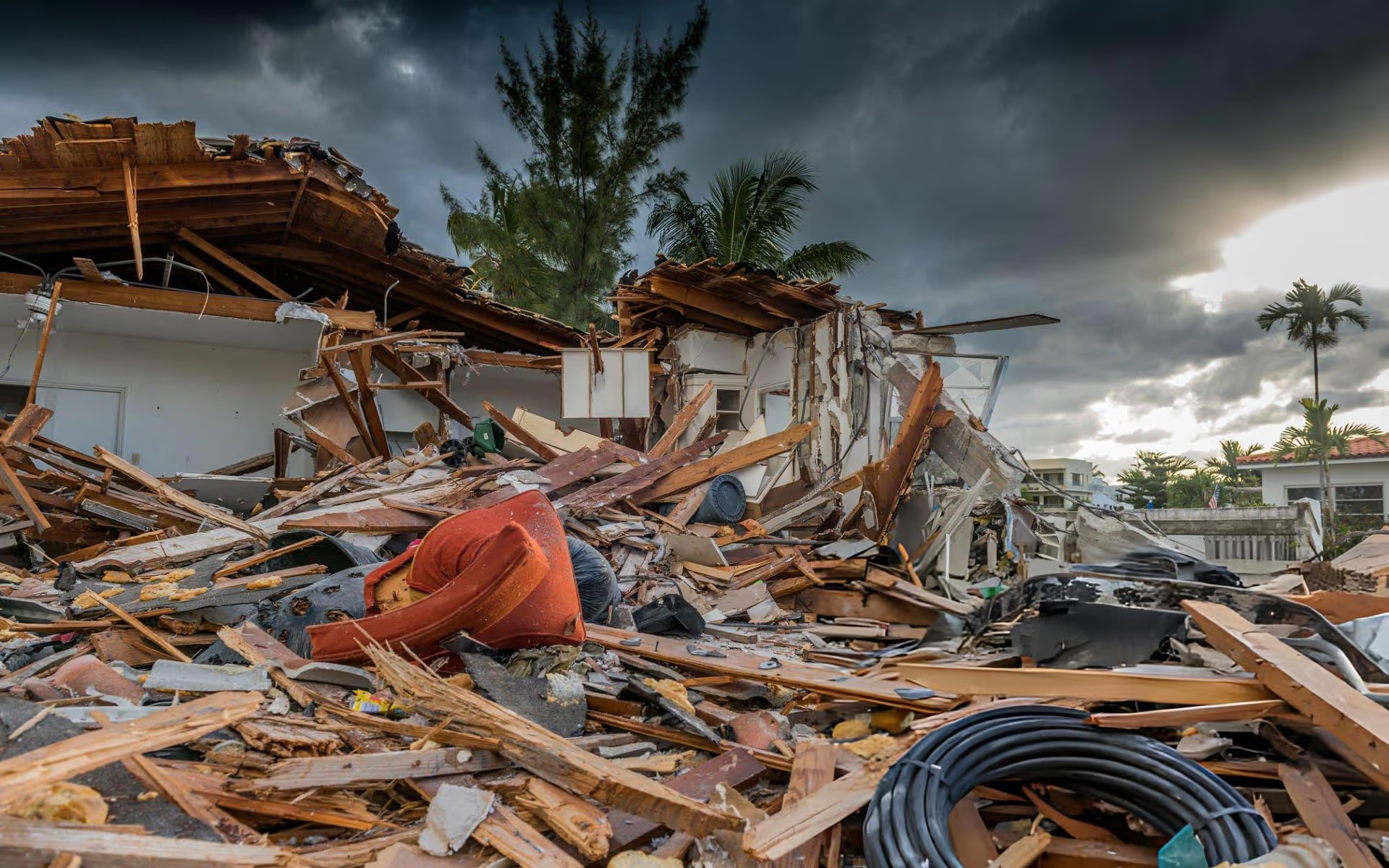
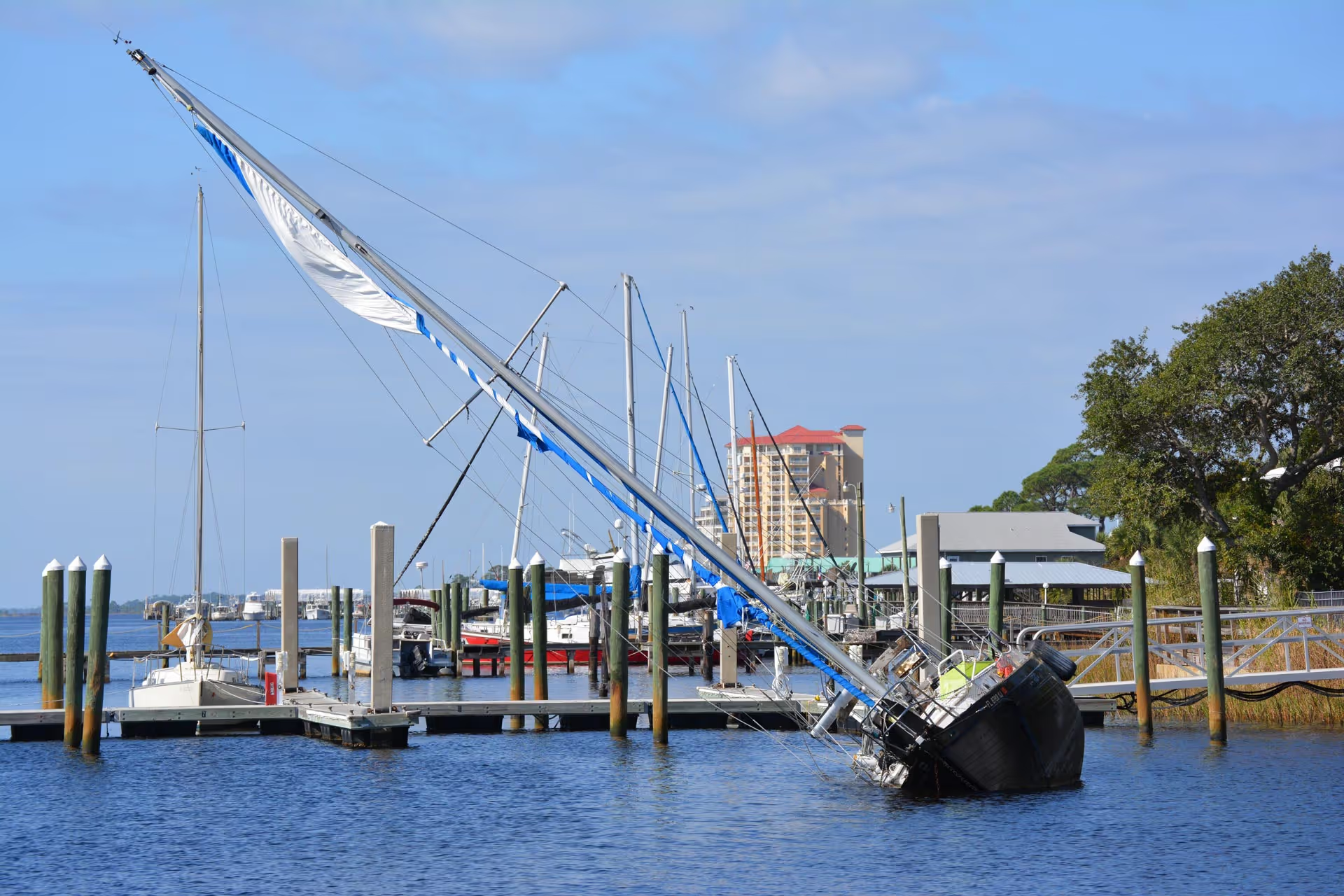
Hurricane & Catastrophic Property Damage
Hurricanes and other catastrophic events cause widespread destruction across Florida and Texas, often affecting the entire condo complex and requiring coordination between the association's policy and individual unit owner policies. See our Hurricane Damage Claims page.
Fire & Smoke Damage
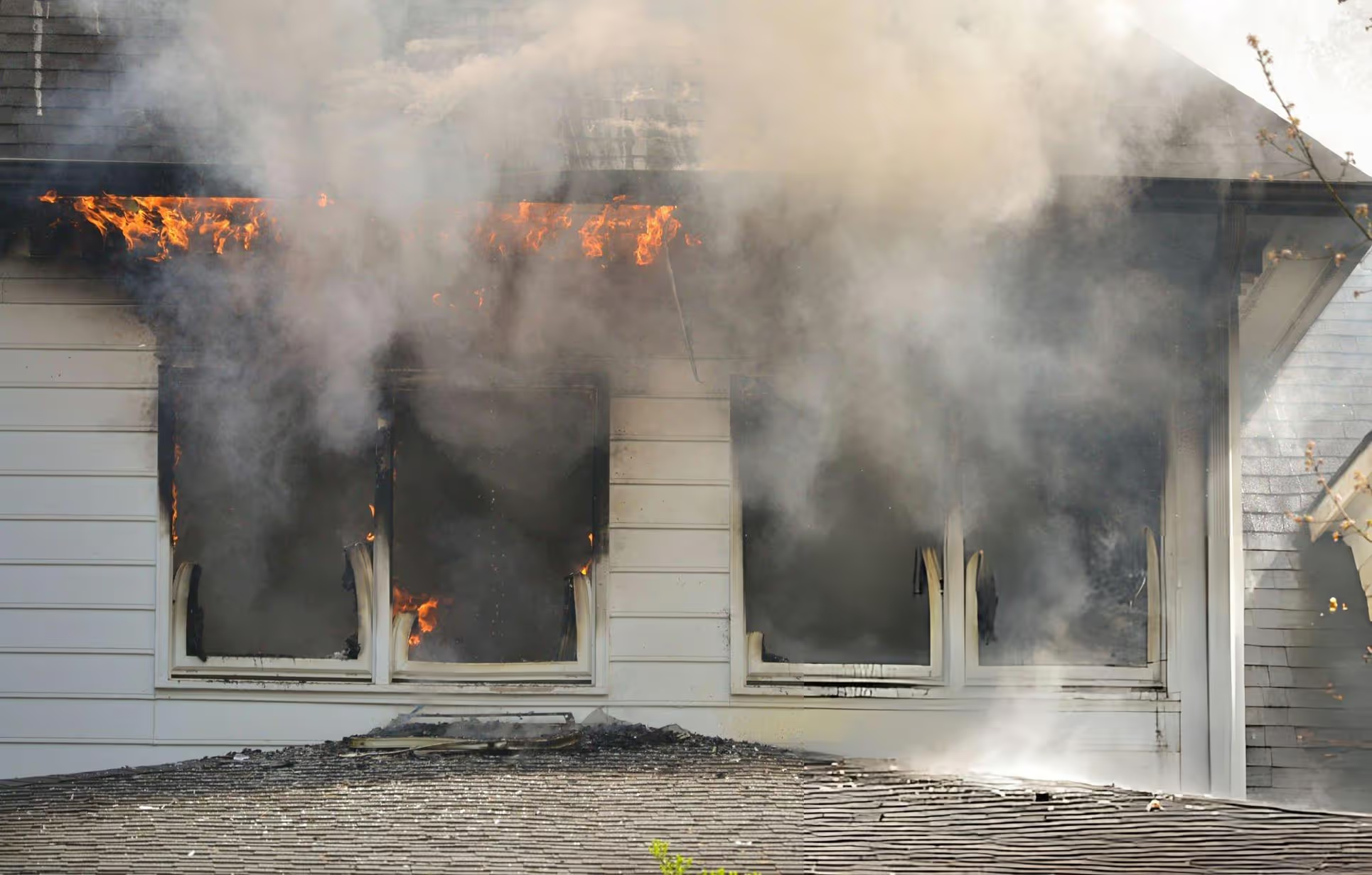
Fires in condos spread quickly through shared walls and ventilation systems, creating damage that crosses the line between HOA responsibility and individual property owner responsibility. Visit our Fire & Smoke Damage Claims page.
Lightning Damage
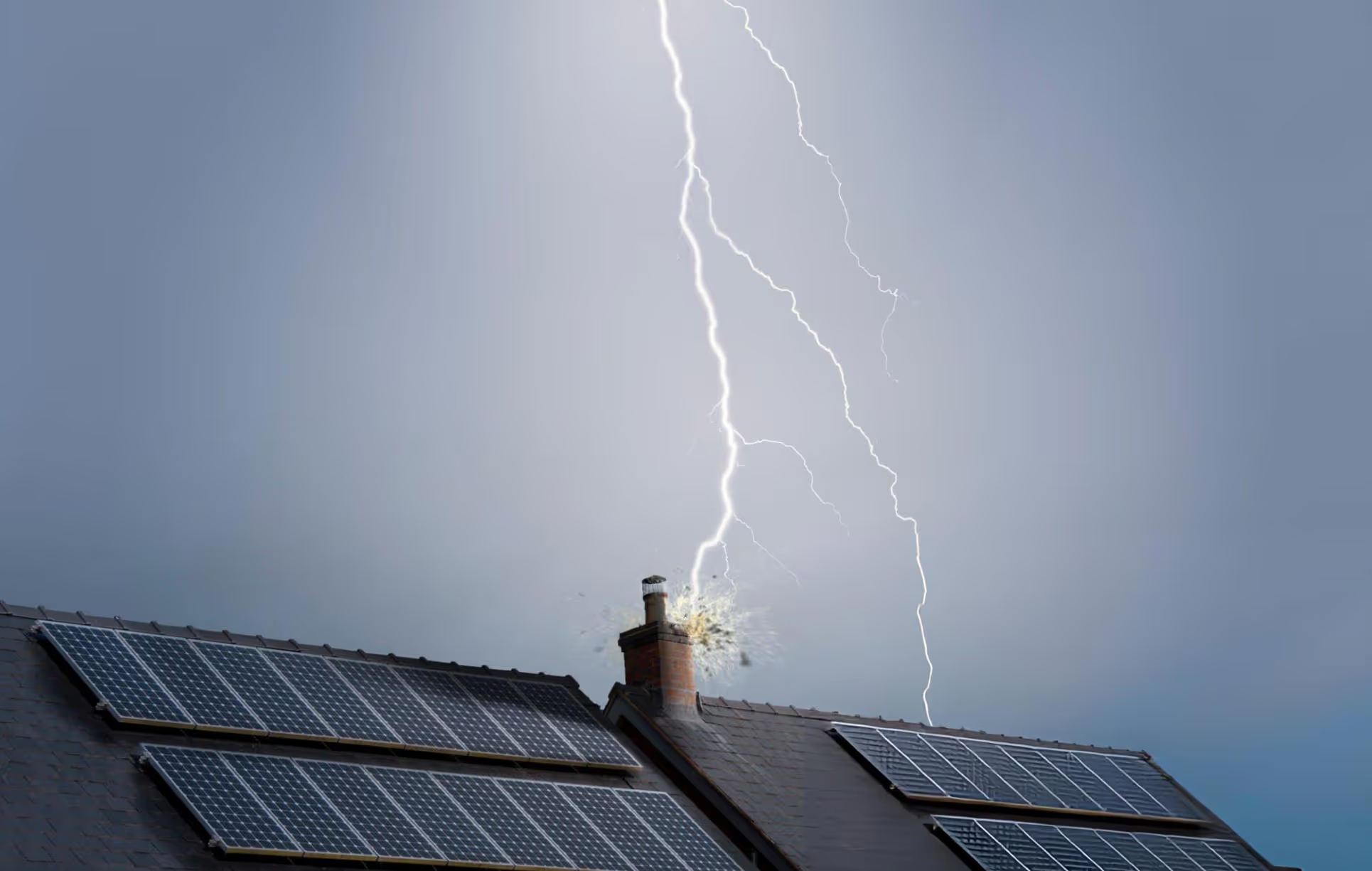
Lightning can destroy electrical systems and appliances in multiple individual units simultaneously. See our Lightning Damage Claims page.
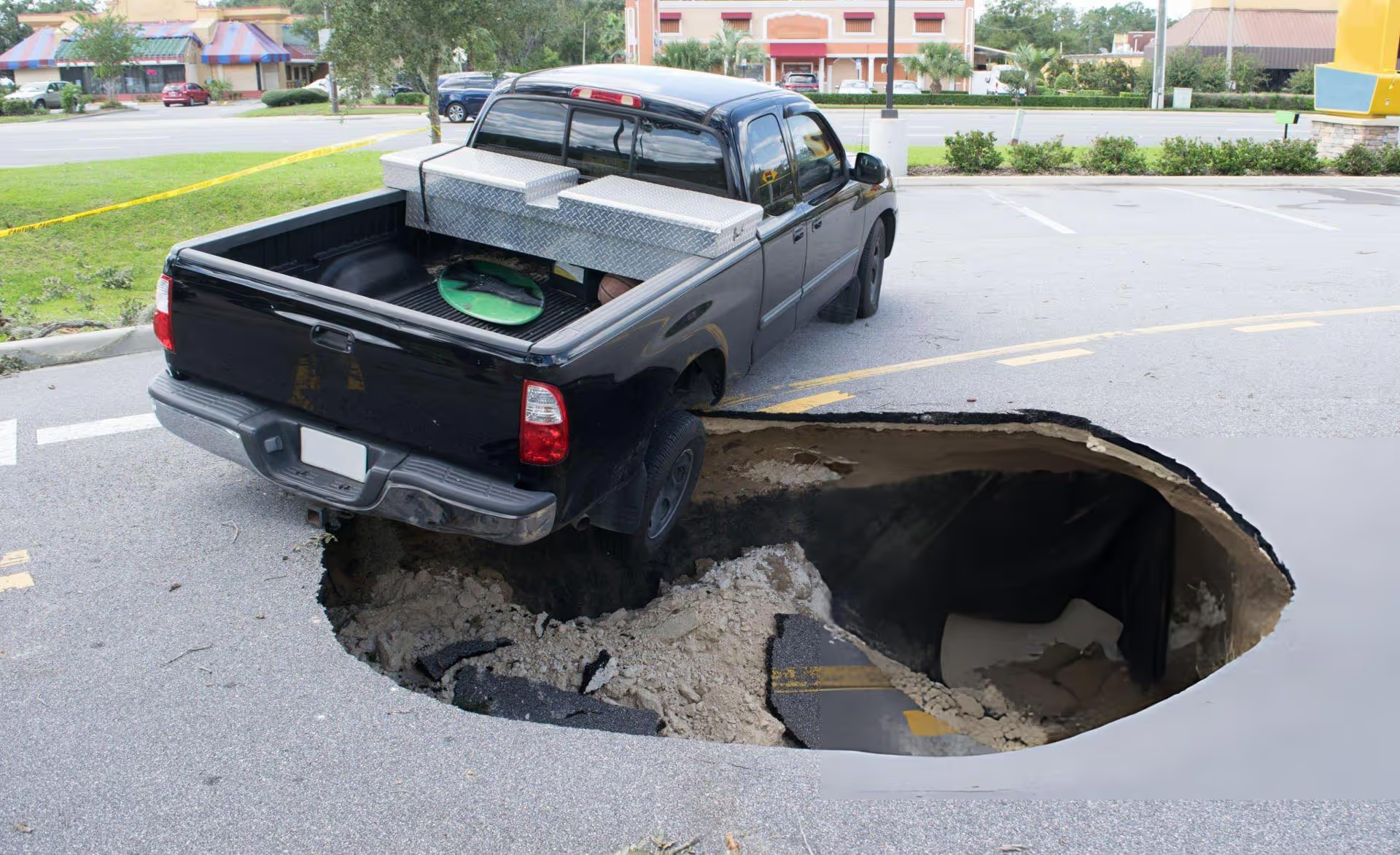
Sinkhole Damage
Sinkholes can destabilize entire condo buildings, making them one of the most catastrophic types of property damage a condominium association can face. Visit our Sinkhole Damage Claims page.
Responsibility Disputes: Homeowners Association vs. Individual Condo Unit Owner
One of the biggest challenges in condominium insurance claims is determining who is responsible for what — and every law firm handling these cases needs a thorough understanding of the law and HOA governing documents. Insurance companies exploit this confusion in damage disputes to avoid paying.
Typical HOA / Condominium Association Responsibilities
- Roof and exterior walls including the roof structure
- Foundation and shared structural components
- Common plumbing lines and electrical systems
- Shared HVAC systems
- Elevators, hallways, walkways, and common areas
Typical Individual Condo Unit Owner Responsibilities
- Interior walls, flooring, and cabinets
- Appliances and personal property
- Interior plumbing and electrical fixtures
- Personal belongings within the individual condo unit
But every condominium association has different bylaws — and insurers often deliberately misinterpret them to shift liability in damage disputes. Finman Law Group reviews HOA bylaws, the master policy, the individual unit owner's HO6 policy, maintenance records, and engineering reports to determine exactly who is responsible and force the correct insurer to pay.
How Condo Property Damage Spreads Through the Building
Damage in a condo rarely stays confined to one individual unit. Water, mold, smoke, and structural issues from a catastrophic event can spread through shared walls, ceilings, floors, plumbing chases, electrical conduits, HVAC ducts, and common areas throughout the entire complex.
Insurance companies often ignore this secondary damage to reduce insurance proceeds and lower your property damage claim payout. Our condominium insurance claims attorneys make sure they evaluate and pay for every affected area.
Florida & Texas Laws Protect Condo Owners, HOAs & Community Associations
Both states require insurance companies to:
- Investigate your property insurance claim promptly
- Pay undisputed amounts quickly
- Evaluate all storm-related and water-related damage to individual units and common areas
- Follow building code requirements throughout Florida and Texas
- Provide written explanations for any denial or reduction of your condominium insurance claim
If the insurer fails to meet these obligations, they may be acting in bad faith. Bad faith insurance practices by insurers, especially when it comes to condominium claims, can entitle the insured to additional compensation beyond the value of the original property damage claim. Finman Law Group uses Florida and Texas insurance law to hold insurers accountable throughout Florida & Texas, including South Florida, Tampa, Orlando and Houstin.
How Our Condominium Insurance Claims Attorneys Fight Property Damage Disputes
When you hire our law firm, we take over the entire process and build a strong case for full compensation — providing complete legal support for condo owners, homeowners associations, and community associations:
1. Full Property Assessment
We work with engineers, roofers, water mitigation experts, mold assessors, contractors, HVAC specialists, and public adjusters to document every area of damage the insurer ignored — including damage to individual units, common areas, and shared systems.
2. Determining Responsibility Between the HOA & Individual Property Owners
We analyze HOA bylaws, the master policy, the homeowner's individual policy, maintenance records, and prior repairs. We identify which insurer is responsible for which portions of the damage claim — and force them to pay.
3. Challenging Lowball Estimates
Insurers often use outdated pricing or incomplete scopes of work that fail to reflect the true cost of restoring condo property. Our claims lawyers challenge their figures with independent expert assessments.
4. Demanding Full Repairs — Not Patchwork
Condominium property damage claims often require roof replacement, drywall and insulation replacement, flooring replacement, electrical repairs, mold remediation, and plumbing repairs throughout individual units and common areas. We ensure the insurer pays for what's necessary.
5. Filing Supplemental Claims
If the insurer missed or undervalued damage, whether in individual condo units or throughout the building, Finman Law Group will reopen the claim and file a supplemental property insurance claim to recover money owed.
6. Pursuing Bad Faith Insurance Damages
If the insurer acted unfairly in handling your condominium insurance claim, bad faith insurance laws in Florida and Texas may entitle you to additional compensation. Our insurance attorneys know how to identify and pursue bad faith conduct.
7. Litigation When Necessary
If the insurer refuses to pay what they owe, our claims lawyers take legal action and take them to court. Our mission is simple: make the insurance company pay what they owe — nothing less.
What to Do After Condo or HOA Property Damage
- Document everything — take photos and videos of all damage to your condo unit and any common areas before repairs begin.
- Notify both the homeowners association and your individual insurer — both parties must be informed immediately after a catastrophic event or any property damage.
- Don't throw away damaged materials — they are evidence in your property damage claim.
- Request copies of all policies — our claims attorneys review the master policy, your HO6 policy, and HOA bylaws to identify all available coverage.
- Don't accept the first offer — it's almost always too low and rarely reflects the full value of your condominium insurance claim.
- Call Finman Law Group at 786-786-9633 — our condominium insurance claims attorneys take over communication with the insurer immediately and fight to recover money on your behalf.
Frequently Asked Questions — Condominium Insurance Claims Attorneys
Does the HOA or the individual condo unit owner pay for the damage?
It depends on the HOA bylaws, the cause of loss, and the type of property damage involved. Our condominium insurance claims lawyers thoroughly analyze all governing documents and insurance policies to determine responsibility and ensure the correct insurer pays.
Does homeowners insurance cover condo damage?
The homeowner's individual HO6 policy covers interior components of the individual condo unit, personal property, and additional living expenses. The condominium association's master policy covers common areas, shared systems, and exterior structures. Our claims attorneys make sure both policies are properly applied to your property damage claim.
Is hiring an attorney necessary for a condo insurance claim?
Given the complex legal questions involved when it comes to condominium insurance claims — including overlapping policies, HOA bylaws, and bad faith insurance disputes — hiring an attorney is often the most important step a condo owner or community association can take. Our claims lawyers level the playing field against the insurance company.
Can I reopen a condominium insurance claim?
Yes. You can file a supplemental claim if the insurer underpaid or missed damage — whether in your individual condo unit or in common areas. Deadlines apply throughout Florida — contact us immediately.
Do I pay anything upfront for a free consultation?
No. Your free consultation costs nothing, and you pay nothing unless we win. Our law firm handles condominium insurance claims and HOA property damage claims on a contingency basis throughout Florida and Texas.
Do you serve condo owners and HOAs throughout Texas & Florida, including Tampa, South Florida, and Central Florida?
Yes. Finman Law Group represents condominium owners, homeowners associations, and community associations throughout Florida — including South Florida, Tampa, Central Florida — and across Texas and Houstin.
Why Condo Owners, HOAs & Community Associations Choose Finman Law Group
- Experienced condominium insurance claims attorneys and property damage claims lawyers
- Deep experience with condo, HOA, and multi-unit property insurance claims of all types
- Thorough understanding of the law governing condominium associations and community associations in Florida and Texas
- No upfront fees — you pay nothing unless we win
- Free consultation for every new client — no obligation
- Full legal support from intake to litigation throughout Florida, including South Florida, Tampa, and Central Florida & Texas
- Community-focused, client-first approach
We fight for condo owners and associations when they need it most.
Protect Your Condo. Protect Your Rights. Get a Free Consultation Today!
If your condominium insurance claim or HOA property damage claim has been denied, delayed, or underpaid — don't face the insurance company alone. Finman Law Group's condominium insurance claims attorneys are ready to review your case, challenge your insurer, and recover the money you're owed.
Call 786-786-9633 | Free Consultation | Florida & Texas Condominium Insurance Claims Attorneys
Finman Law Group — Your condo or HOA property damage claim deserves full compensation, and we'll fight to get it.

















-web.avif)




Contact Form
Fill out the form below to get in touch with our team.