

Menu


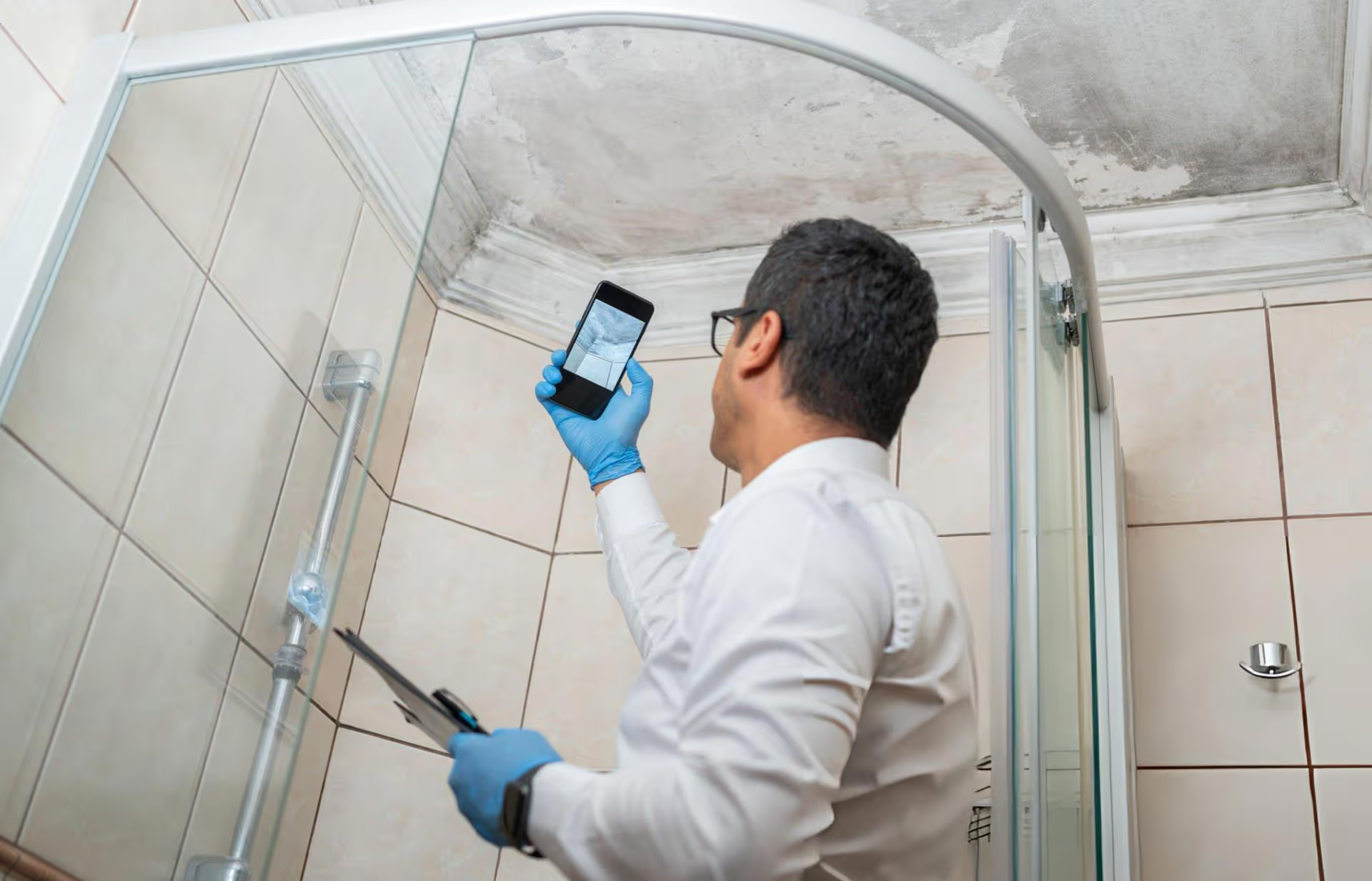
Insurance Claims Attorneys for Homeowners, Property Owners & Businesses
If your mold insurance claim has been denied, delayed, or underpaid, you need experienced property damage attorneys on your side — not more excuses from your insurer. Finman Law Group fights for homeowners and businesses across Florida and Texas to recover the full value of every property damage insurance claim.
Call 786-786-9633 | Free Consultation | No Win, No Fee
⚠️ Mold spreads fast — sometimes within 24 to 48 hours after water intrusion. Do not wait to get legal help. Call immediately.
No Upfront Fees | Florida & Texas | Free Consultation | Immediate Response
Your Insurance Policy Should Cover Mold Damage. When It Doesn't, We Step In.
Property Damage Insurance Claims in Florida & Texas
In Florida and Texas, where humidity is high and storms are frequent, mold is one of the most serious and costly forms of property damage a homeowner or property owner can face. It destroys walls, flooring, insulation, cabinets, and personal belongings — and it creates dangerous health risks for children, seniors, and anyone with respiratory conditions, as documented by the Centers for Disease Control.
But when you file a mold insurance claim, insurance companies respond with the same predictable tactics: denials, delays, and underpayments. They blame the mold on "maintenance issues," "long-term seepage," or "humidity" — even when the presence of mold is clearly the result of a sudden and accidental water event that your homeowner's insurance policy should cover.
At Finman Law Group, our property damage lawyers fight aggressively to make sure your insurer pays what your policy promises. Mold damage cases are heavily disputed — and our legal team knows exactly how to challenge every tactic insurance companies use to avoid paying.
Your Insurer Has a Legal Team. So Should You.
The moment you file a property damage claim, insurance companies begin building their case to minimize or deny your payout. They send their own adjusters, apply narrow policy interpretations, and look for any reason to avoid covering mold damage to your home.
Our experienced property damage attorneys take over immediately. You stop dealing with the insurer. We handle every step of the legal process — from claim review to litigation — so you can focus on getting your property restored.
If your mold problem was caused by a covered event, we will prove it and fight for a fair settlement.
Understanding Mold Insurance Claims in Florida & Texas
What Causes Mold & When Does Your Insurance Policy Cover It?
Mold is almost always the result of water intrusion. Insurance companies know this — but they routinely try to separate mold from the underlying water damage to reduce payouts on property damage insurance claims. Understanding what causes mold, and when your homeowner's insurance policy applies, is the foundation of every case our damage attorneys handle.
Common Causes of Mold Growth Covered Under Property Insurance
- Roof leaks following storm or wind damage
- Plumbing leaks and burst pipes
- AC or HVAC system leaks — a breeding ground for mold
- Water heater failures
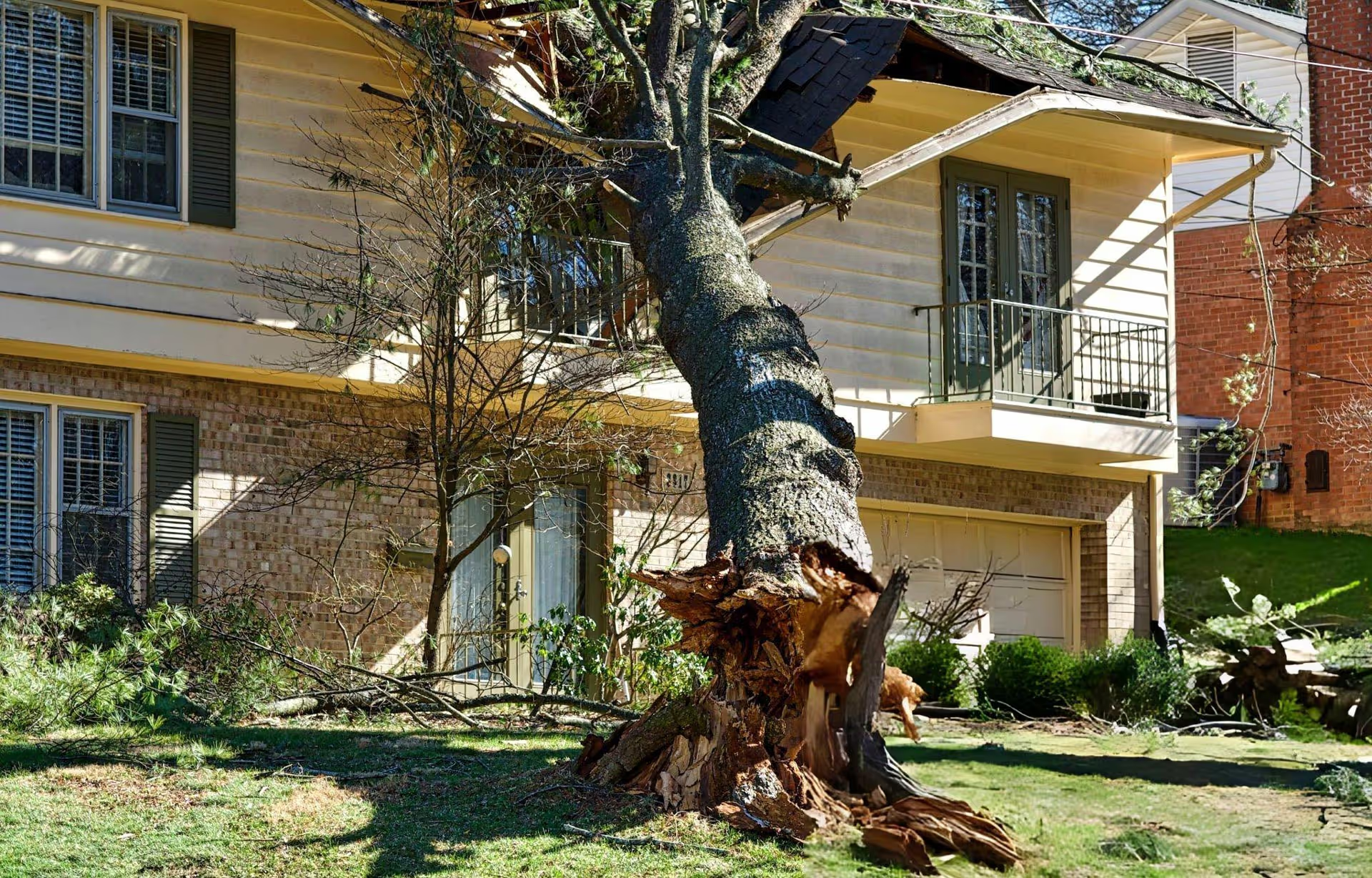
- Storm or wind-driven rain intrusion
- Hurricane damage and post-storm water intrusion
- Flooding (depending on flood insurance policy terms)
- Water intrusion through windows or doors
- Extensive water damage from firefighting efforts
Even a small water leak can lead to widespread residential mold behind walls, under flooring, and inside cabinets — often invisible until the structural damage is severe.
Why Mold Insurance Claims Are Denied or Underpaid
What Insurance Companies Don't Want You to Know
Mold damage cases are among the most aggressively disputed property damage insurance claims in Florida and Texas. Insurers rely on predictable excuses to avoid paying fair settlements on damage to your home or business property.
Common Insurance Company Excuses for Denying Mold Coverage
- "Mold is not covered under your insurance policy"
- "Long-term seepage — not a sudden covered event"
- "Normal wear and tear"
- "Humidity-related mold — not a covered peril"
- "Improper maintenance by the property owner"
- "Mold caused by a non-covered peril"
- "Cosmetic damage only — no structural damage"
- "Insufficient evidence of water intrusion"
These excuses are designed to protect the insurer's bottom line, not your damaged property. Our property damage attorneys know how to challenge every one of them!
Mold Insurance Claim Cases We Handle
Experienced Property Damage Attorneys for Every Type of Mold Claim
Our law firm handles the full range of residential mold and commercial mold damage cases across Florida and Texas. If mold is found on your property following any of these events, you may have a strong property damage claim.
Mold Caused by Sudden Water Damage
Most homeowner's insurance policies cover mold when it results from a sudden, accidental water event. Our damage lawyers fight back when insurers try to blame burst pipes, appliance failures, AC leaks, water heater ruptures, or storm-driven rain on "poor maintenance."
Mold After Hurricane Damage
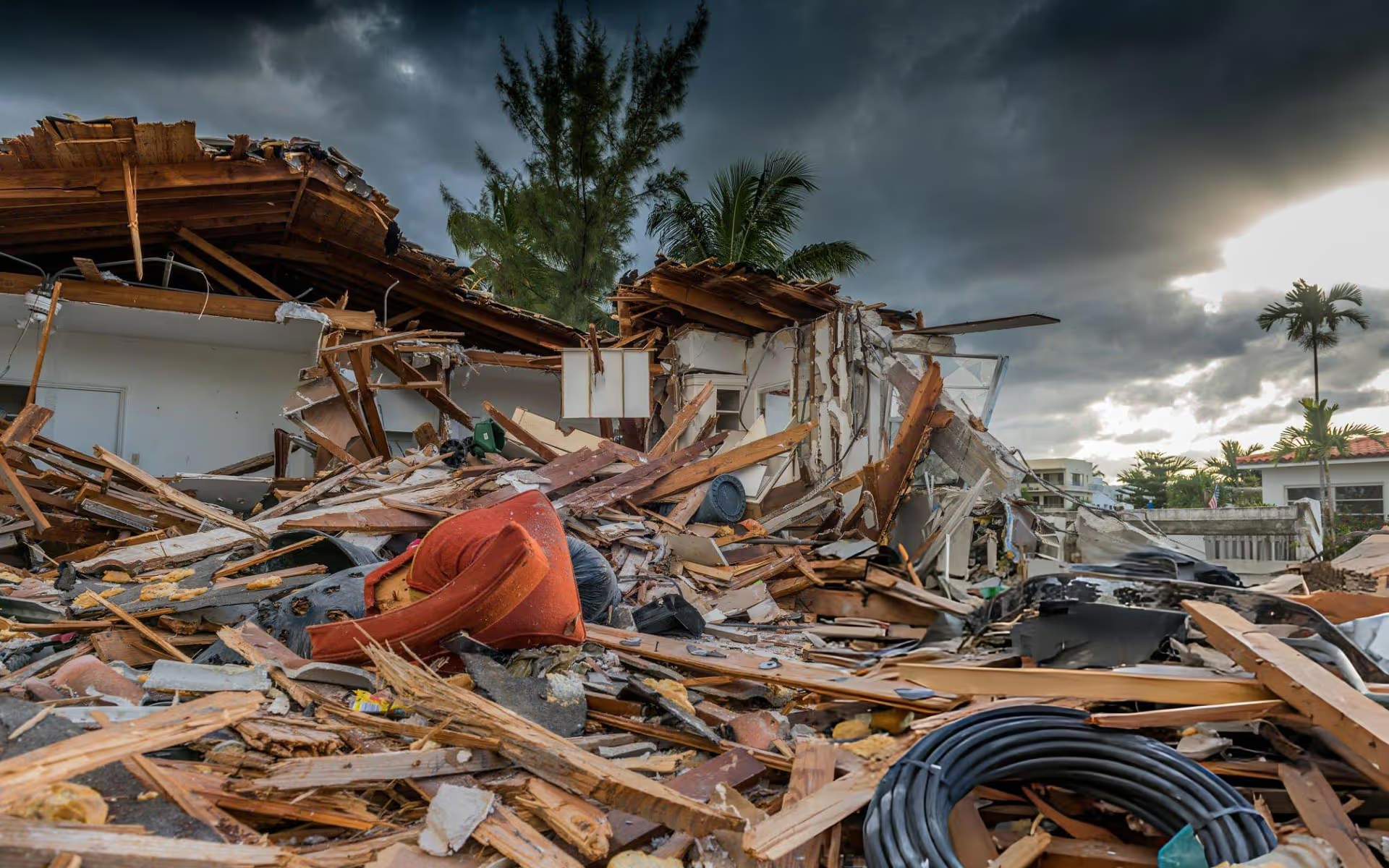
Hurricanes cause massive water intrusion across Gulf Coast properties, leading to rapid mold growth inside walls, ceilings, and flooring. If your mold problem followed a hurricane, your property insurance claim may cover full remediation. See our Hurricane Damage Claims page.
Mold After Roof Damage
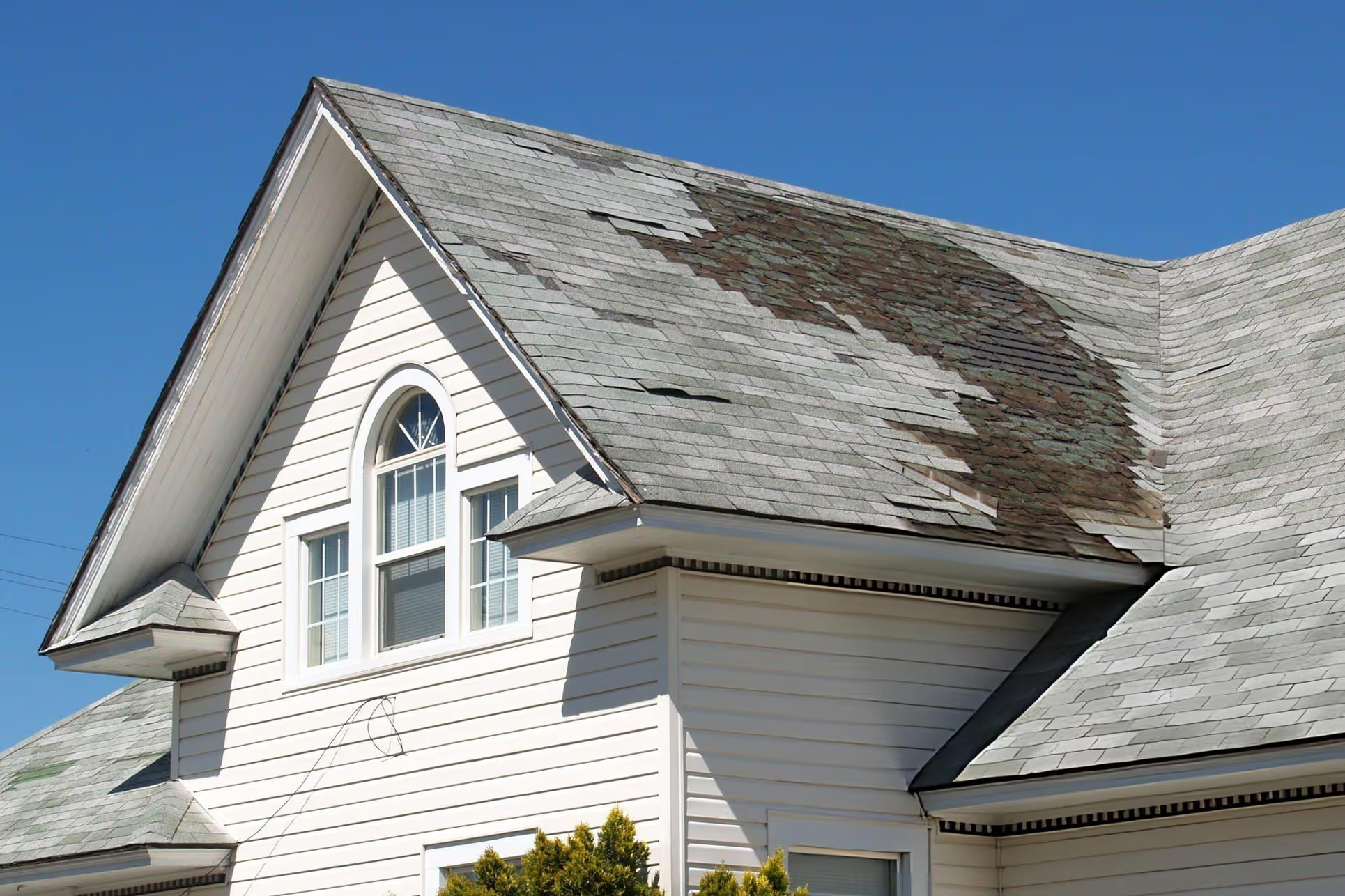
Storm or wind damage that creates a roof opening allows water intrusion that quickly becomes a breeding ground for mold. Texas property owners and Florida homeowners face this constantly after severe weather. See our Roof Damage Claims page.
Mold After Plumbing Leaks
Even slow water leaks behind walls can cause major residential mold issues that insurance companies try to blame on the property owner. We build the evidence to prove otherwise.
Mold After Fire Damage
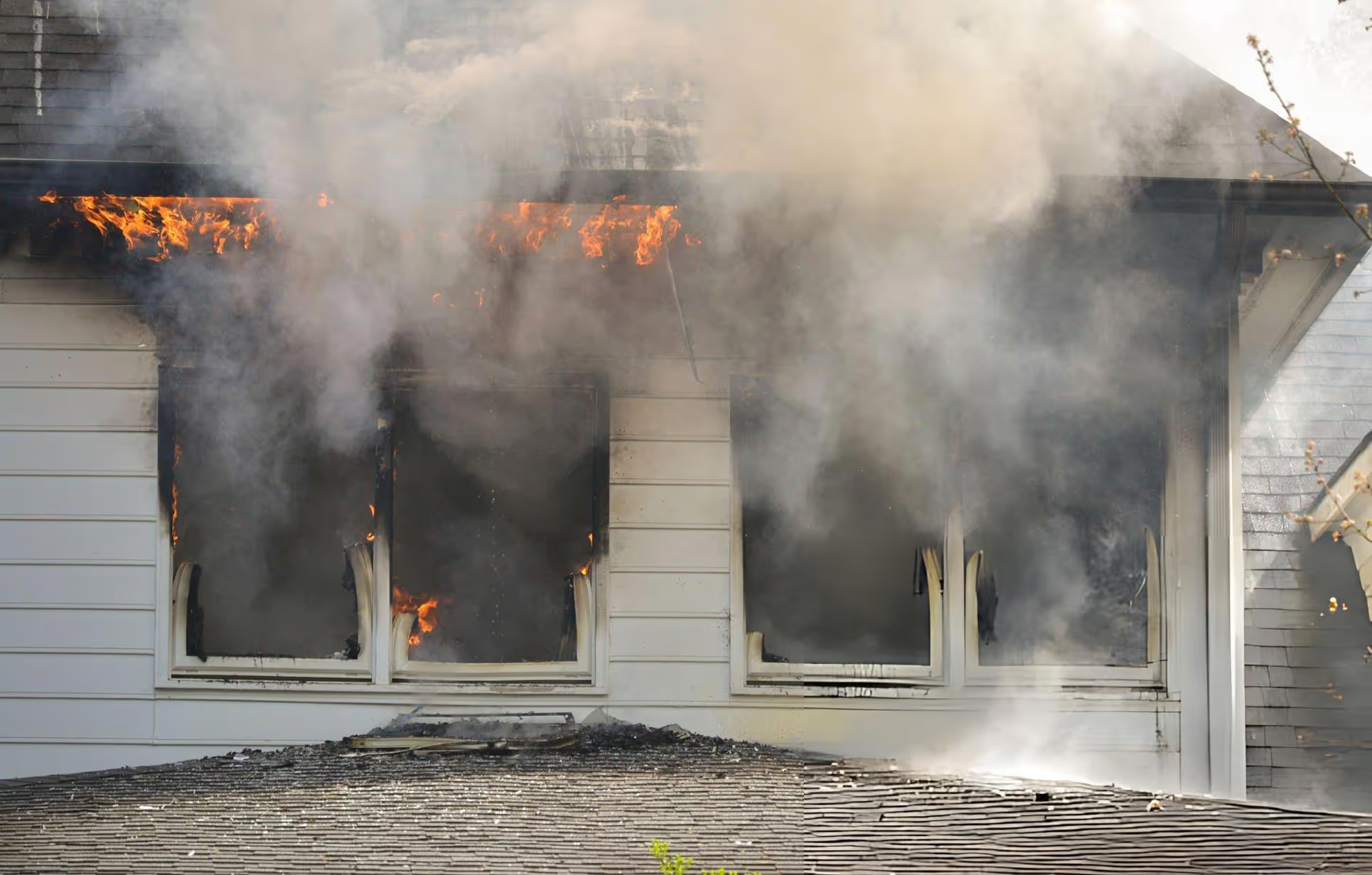
Water used to extinguish fires creates extensive water damage that leads directly to mold growth. Our damage attorneys pursue full coverage for mold removal alongside fire damage claims. See our Fire & Smoke Damage Claims page.
Commercial Mold Claims
Businesses face major losses from mold contamination — including inventory, equipment, and structural damage to commercial property. Our property damage attorneys handle commercial mold insurance claims aggressively. See our Commercial & Business Property Damage page.
How Mold Spreads — and Why Fast Legal Help Matters
The Hidden Cost of Delayed Mold Insurance Claims
Mold spreads quickly and silently. Once moisture enters a property, mold spores can establish colonies within 24 to 48 hours. Without prompt mold remediation services, the damage to your home or business compounds rapidly.
Where Mold Grows After Water Intrusion
- Walls and drywall cavities
- Ceilings and attic spaces
- Floors and subfloor structures
- Insulation
- Cabinets and built-ins
- HVAC systems — spreading spores throughout the property
- Crawl spaces
What Unchecked Mold Does to Your Property
- Structural damage to framing and support systems
- Damaged and crumbling drywall
- Warped and buckled flooring
- Electrical hazards from moisture exposure
- Severe air quality deterioration
- Long-term health risks for occupants
Insurance companies routinely ignore hidden mold damage to reduce payouts on property damage insurance claims. Our legal team makes sure they account for every affected area.
Health Risks of Mold Exposure
Why Mold Is a Medical Issue, Not Just a Property Damage Issue
According to the Centers for Disease Control, mold exposure poses serious health risks — particularly for children, seniors, and anyone with asthma or respiratory conditions. Insurance companies often downplay these risks to minimize mold insurance claim values. We don't.
Common Health Effects of Mold Exposure
- Breathing difficulties and respiratory distress
- Allergic reactions and chronic congestion
- Headaches and cognitive symptoms
- Skin irritation and rashes
- Asthma attacks
- Chronic coughing
- Fatigue and prolonged illness
When we build your property damage claim, we document the health impact alongside the structural damage — because both matter to your fair settlement.
Florida & Texas Law Protects You Against Bad Faith Insurers
What Your Property Insurance Policy Requires Your Insurer to Do
Both Florida and Texas law impose strict obligations on insurance companies handling property damage insurance claims. Under Texas law and Florida insurance statutes, insurers must:
- Investigate your mold damage claim promptly
- Pay undisputed amounts quickly without delay
- Evaluate all water-related damage — including damage to homes caused by covered perils
- Follow building code requirements when authorizing repairs
- Provide written explanations for any denial, reduction, or underpayment
When an insurer fails to meet these obligations, they may be acting in bad faith — and your property damage legal options expand significantly. Our law firm uses state law to hold insurers fully accountable.
How Finman Law Group Fights Your Mold Insurance Claim
Our Property Damage Legal Process — From Claim to Fair Settlement
When you hire our law firm, our legal team takes over the entire property damage insurance claim process and builds the strongest possible case for full compensation.
Step 1 — Full Mold & Moisture Assessment We work with mold assessors, water mitigation experts, contractors, engineers, HVAC specialists, and environmental hygienists to document every area of mold growth, water intrusion, and structural damage on your property.
Step 2 — Challenge Lowball Estimates Insurers routinely pay for surface cleaning instead of full mold remediation services. Our damage attorneys expose this tactic and demand proper scope.
Step 3 — Demand Full Remediation, Not Surface Cleaning Proper mold removal and remediation often requires removing drywall, replacing insulation, treating structural components, cleaning HVAC systems, replacing flooring, and deploying industrial drying equipment. We ensure your insurer pays for what is actually necessary — not the cheapest option.
Step 4 — Enforce Building Code Requirements Florida and Texas law require repairs to meet current building codes. Insurance companies must pay for required code upgrades — and our property damage attorneys make sure they do.
Step 5 — File Supplemental Claims If the insurer missed damage or undervalued your mold insurance claim, we reopen and supplement it. Many property owners leave significant money unclaimed without legal help.
Step 6 — Pursue Bad Faith Damages If your insurer acted unfairly or in bad faith in handling your property damage claim, they may owe additional compensation beyond your policy limits.
Step 7 — Litigate When Necessary If the insurer refuses to pay a fair settlement, our property damage lawyers take them to court. We are fully prepared to litigate every mold damage case.
Our mission: make the insurance company pay what they owe — nothing less.
Related Property Damage Claims
Other Insurance Claims Our Attorneys Handle
Water Damage Claims — Mold almost always follows water intrusion. Visit our Water Damage Claims page.
Roof Damage Claims — Roof leaks are a leading cause of residential mold growth. See our Roof Damage Claims page.
Hurricane Damage Claims — Gulf Coast hurricane damage causes widespread moisture intrusion and mold. Visit our Hurricane Damage Claims page.
Windstorm Damage Claims — Wind-driven rain causes hidden mold growth behind walls and under flooring. See our Windstorm Damage Claims page.
Commercial Property Damage — Businesses face major losses from mold contamination. Visit our Commercial & Business Property Damage page.
What To Do When Mold Is Found on Your Property
Immediate Steps to Protect Your Mold Insurance Claim
Step 1 — Document Everything Take photos and videos of all visible mold growth, water damage, and affected areas. Visual evidence is critical to your property damage claim.
Step 2 — Don't Clean It Yourself Attempting mold removal without professional mold remediation services can spread spores, worsen structural damage, and give your insurer grounds to reduce coverage.
Step 3 — Request Your Full Insurance Policy Our legal team reviews your homeowner's insurance policy or commercial property insurance policy for coverage you may not know you have — including provisions that cover mold damage to your home following a covered water event.
Step 4 — Don't Accept the First Offer The initial settlement offer from your insurer is almost always too low. Do not sign anything or accept any payment before speaking with an experienced property damage attorney.
Step 5 — Call Finman Law Group at 786-786-9633 We take over all communication with your insurer immediately. Our property damage attorneys begin building your case from day one — at no upfront cost to you.
Frequently Asked Questions
Mold Damage Claim Questions Answered by Our Property Damage Lawyers
Does my homeowner's insurance policy cover mold damage?
Often yes — if the mold was caused by a covered water loss such as a burst pipe, storm damage, or AC leak. Water intrusion events lead to mold growth quickly, and insurance companies frequently deny valid mold damage claims by mischaracterizing covered events as maintenance issues. Our damage lawyers challenge these denials and fight for the full value of your claim.
What if my insurer says mold isn't covered under my insurance policy?
That is not always the final word. Whether your property insurance covers mold depends on the cause of the mold problem, the specific policy language, and Florida or Texas law. Mold may be covered under provisions your insurer is deliberately overlooking. An experienced insurance attorney can identify that coverage and use it to your advantage.
Can I reopen a mold damage claim that was underpaid?
Yes. You can file a supplemental property damage claim if the insurer underpaid or missed damage. Texas property owners and Florida homeowners both have legal options to reopen underpaid claims — but there are strict deadlines. Contact our law firm immediately to protect your rights.
What types of water damage lead to mold covered by insurance?
Many common events lead to mold that your policy should cover — including burst pipes, roof leaks, AC failures, storm-driven rain, and hurricane damage. The key issue in most damage cases is whether the water intrusion event was sudden and accidental. Our claims lawyers analyze the full sequence of damage to establish coverage, even when the insurer disputes the cause.
What if my mold damage was caused by a hurricane or flood?
Hurricane-related mold damage may be covered under your standard property insurance policy, your flood insurance policy, or both — depending on the cause of the water intrusion. Mold may develop within 24 to 48 hours of a hurricane event, making fast legal action critical. Our damage lawyers analyze every available policy to maximize your recovery on Gulf Coast and Texas property damage cases.
How long does mold remediation take?
It depends on the extent of the structural damage and the presence of mold throughout the property. What slows most mold damage cases down is insurer delays and underpayment disputes — not the remediation itself. Having a property damage lawyer forces the insurer to act, which significantly accelerates the entire process.
Do I pay anything upfront for legal help?
No. You pay nothing unless we win. Our free consultation and contingency fee model means every homeowner and property owner can access experienced property damage lawyers and insurance attorney representation regardless of their financial situation.
Why Homeowners & Property Owners Choose Finman Law Group
Experienced Property Damage Attorneys. Real Results.
When mold is found on your property and your insurance company refuses to pay, you need a law firm with the experience, resources, and determination to win.
Aggressive Property Damage Representation We hold insurance companies accountable for every dollar owed on your mold insurance claim — through negotiation, supplemental claims, bad faith actions, and litigation when necessary.
Deep Experience With Mold, Water & Storm Damage Cases Our property damage attorneys understand the full cycle of damage to homes — from the initial water intrusion event to structural damage, mold growth, and remediation requirements.
Florida & Texas Insurance Law Expertise We know Texas law, Florida insurance statutes, Gulf Coast property insurance claim requirements, and how to use state law to force fair settlements on every damage case we handle.
No Upfront Fees — Ever You pay nothing unless we win. Every homeowner and property owner deserves access to experienced property damage lawyers regardless of their financial situation.
Full Legal Team From Intake to Litigation From your free consultation through final settlement or trial, our legal team handles every step. You focus on your family and your property. We handle the insurer.
Community-Focused, Client-First We fight for homeowners, property owners, and businesses across Florida and Texas because when mold damages your home, you deserve a fair settlement — not more delays.
Stop the Mold. Stop the Damage. Start the Fight.
Free Consultation — No Upfront Fees
Your mold insurance claim deserves full compensation. If your property insurance company has denied, delayed, or underpaid your claim, our experienced property damage attorneys are ready to fight for everything you are owed.
786-786-9633 info@finmanlawgroup.com
Finman Law Group | Florida & Texas Property Damage Attorneys | Mold, Water & Hurricane Claims | No Win, No Fee
This page is for informational purposes only and does not constitute legal advice. Contacting us does not create an attorney-client relationship.
























-web.avif)





Contact Form
Fill out the form below to get in touch with our team.