

Menu
Homeowners Insurance Claim Attorney & Property Insurance Claim Law Firm — Fighting for Policyholders Across Florida and Texas
Homeowner insurance claim attorney in Texas & Florida. We help with property damage claims and offer a free consultation. Get the compensation you deserve. Call 786-786-9633



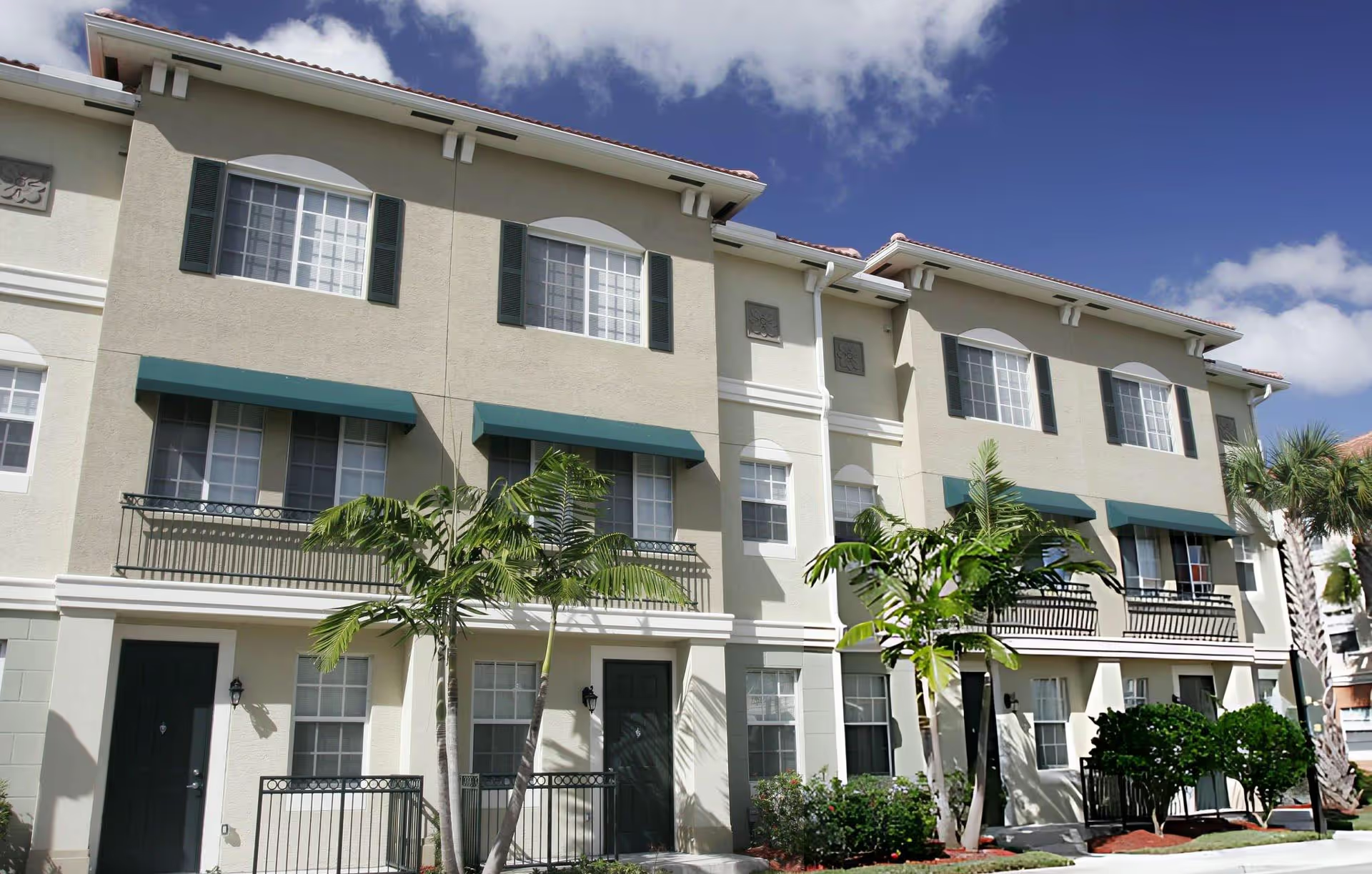
Your home is your most valuable asset — financially, emotionally, and for your family's safety. When disaster strikes, whether from storms, water damage, fire, mold, hail, wind damage, or structural issues, you expect your homeowners' insurance to step up and protect you. But for many homeowners and property owners in Florida and Texas, the reality is very different. Instead of support, policyholders face delays, underpayments, and denials from insurance companies trained to protect profits — not the people they insure.
At Finman Law Group, our homeowners insurance lawyers and property insurance claim attorneys fight aggressively to make sure your insurance company honors its promises. Home insurance claims are complex, and insurance carriers use every tactic possible to avoid paying full value. We know these tactics — and we know how to beat them. Our law firm works on a contingency fee basis, meaning there is no cost to you unless we win your case.
Call 786-786-9633 | Free Consultation | No Cost Unless We Win | Florida & Texas
Understanding Homeowners Insurance Claims & Property Insurance Coverage
A homeowners insurance policy is supposed to protect you from sudden and accidental damage to your residential or commercial property. But insurance companies often misinterpret or manipulate policy language to reduce payouts and avoid honoring valid property claims.
Common types of home insurance claims our insurance claim attorneys handle include:
- Roof damage from wind, hail, and hurricanes
- Water damage from burst pipes, leaks, and storm-driven rain
- Mold damage resulting from covered water losses
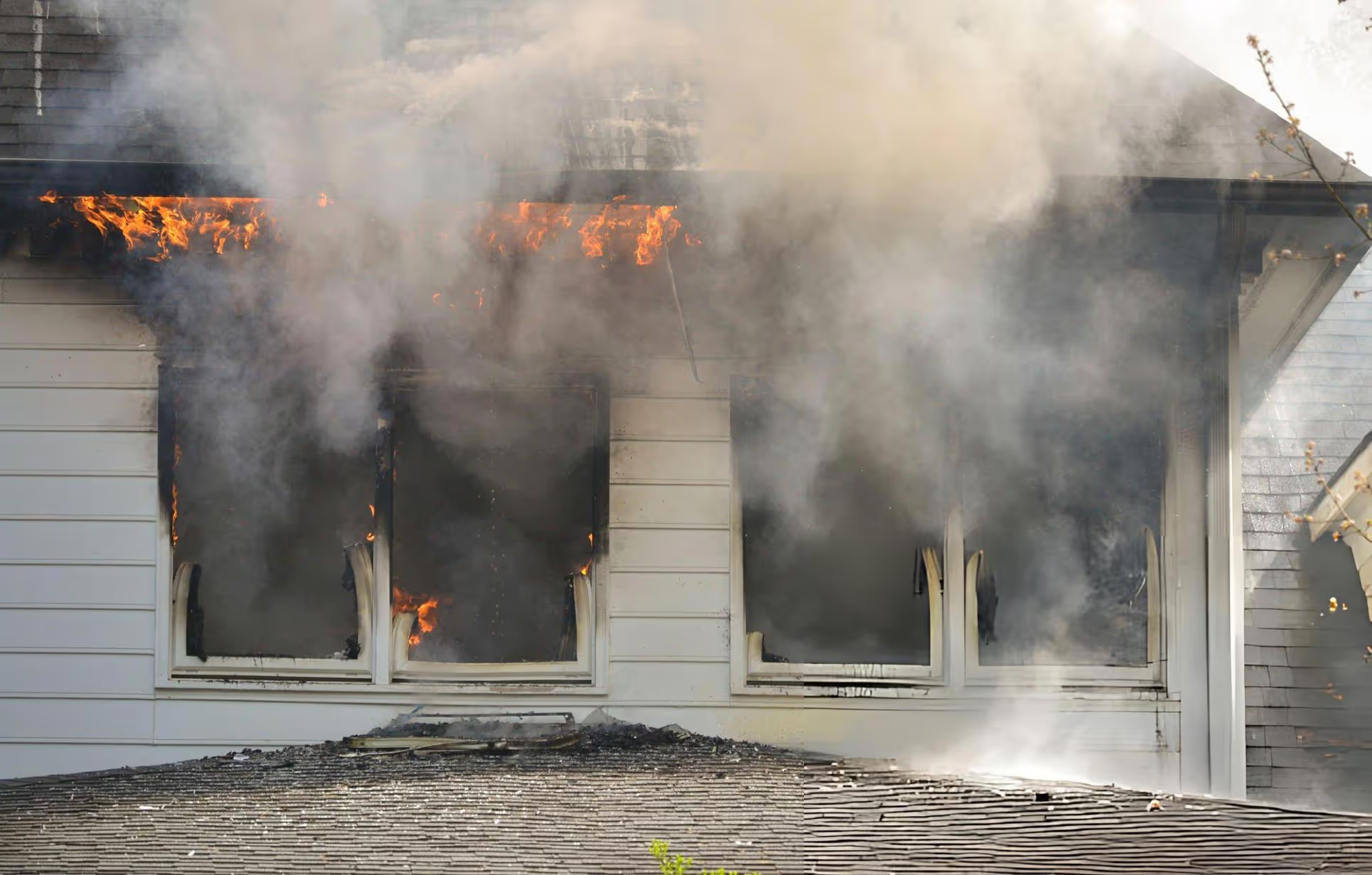
- Fire and smoke damage
- Hurricane and windstorm claims
- Hail damage to roofs, siding, and windows
- Lightning damage to electrical systems and appliances
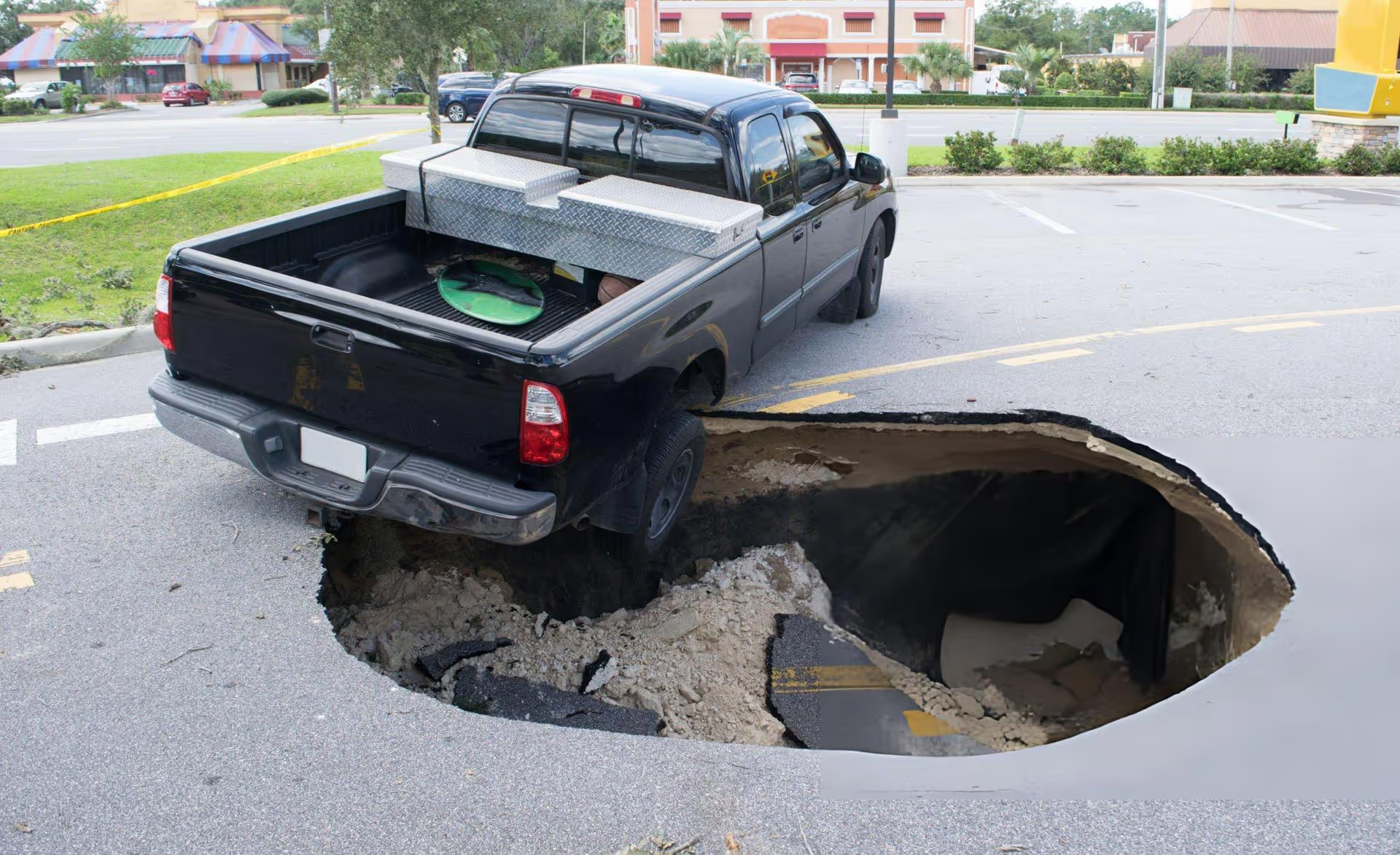
- Sinkhole damage and foundation failure
- Theft and vandalism
- Structural damage
- Plumbing and electrical failures
- Appliance leaks and AC/HVAC failures
Each type of property damage claim requires different documentation, inspections, and legal strategy — and insurance carriers often take advantage of homeowners who don't know their rights. It is recommended you consult with an experienced property damage attorney before accepting any offer from your insurance provider.
Why Home Insurance Claims Are Often Denied or Underpaid by Insurance Companies
Insurance companies use predictable tactics to avoid paying the full value of your claim. Common excuses include:
- "Wear and tear" or "old roof"
- "Improper maintenance"
- "Long-term seepage"
- "Cosmetic damage only"
- "Damage not caused by a covered peril"
- "No storm-created opening"
- "Pre-existing damage"
- "Insufficient documentation"
These excuses are designed to save the insurance carrier money — not to protect your home. Finman Law Group's homeowners insurance lawyers know how to challenge every one of these tactics.
Types of Property Insurance Claims Our Home Insurance Claim Attorneys Handle
Roof Damage Claims
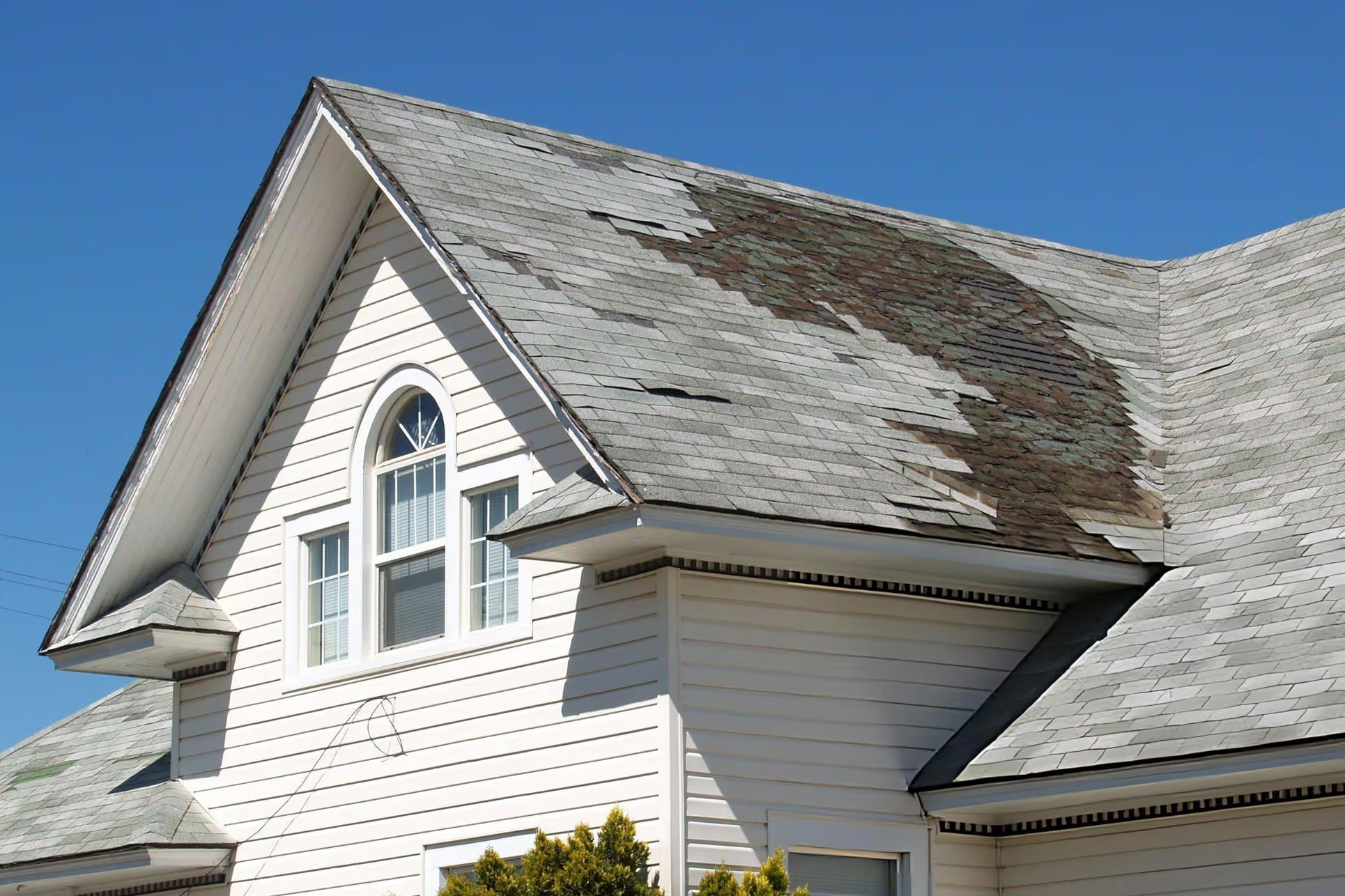
Wind, hail damage, and hurricanes frequently cause severe damage to your property's roof in Florida and Texas. Visit our Roof Damage Claims page.
Water Damage Claims
Burst pipes, leaks, and storm-driven rain cause major interior damage to residential and commercial property. See our Water Damage Claims page.
Mold Damage Claims
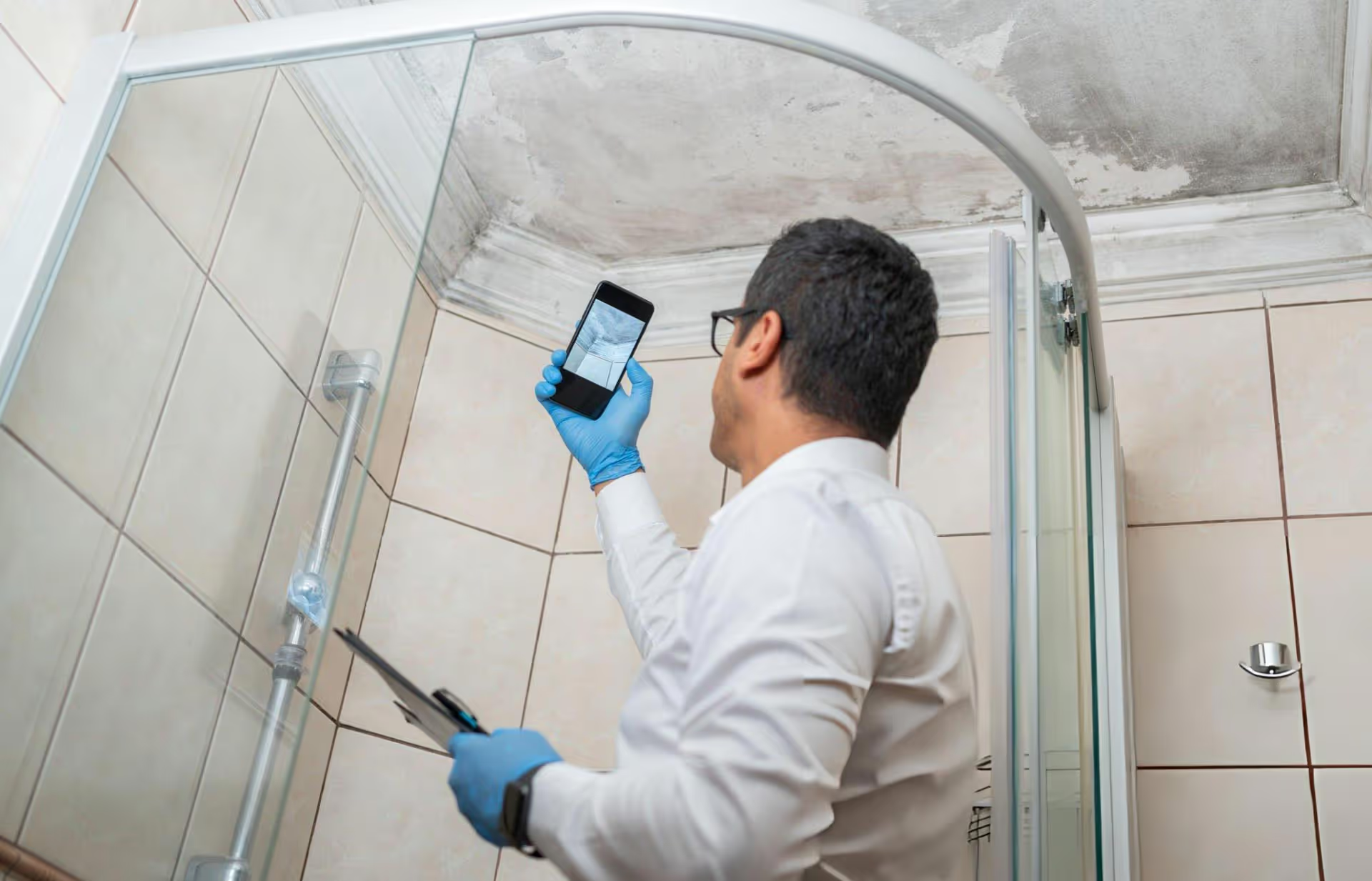
Moisture leads to mold growth that is expensive to fix — and that insurers frequently deny even when caused by a covered water loss. Visit our Mold Damage Claims page.
Fire & Smoke Damage Claims
Fires cause structural damage, smoke contamination, and electrical hazards throughout your home or business. See our Fire & Smoke Damage Claims page.
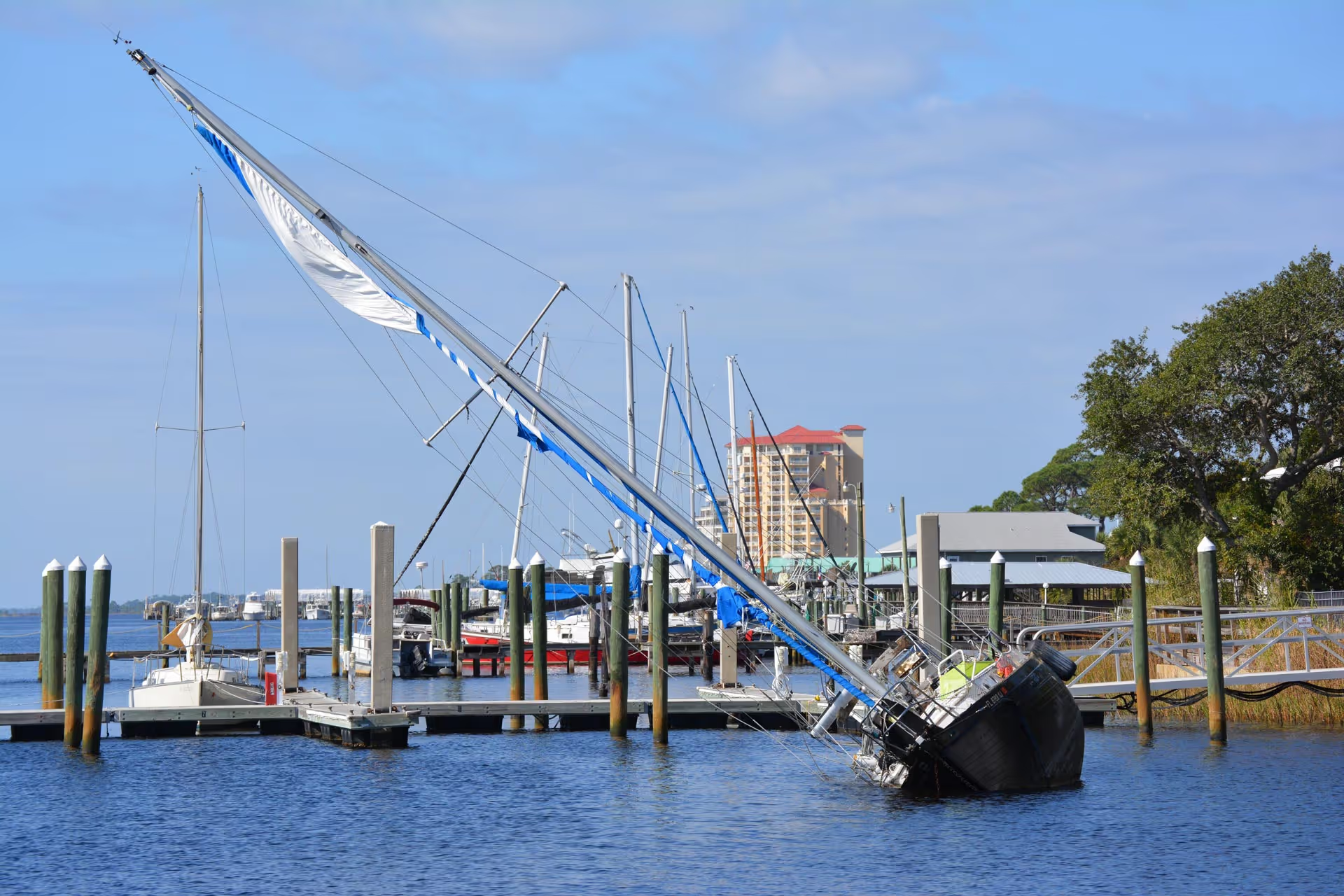
Hurricane Damage Claims
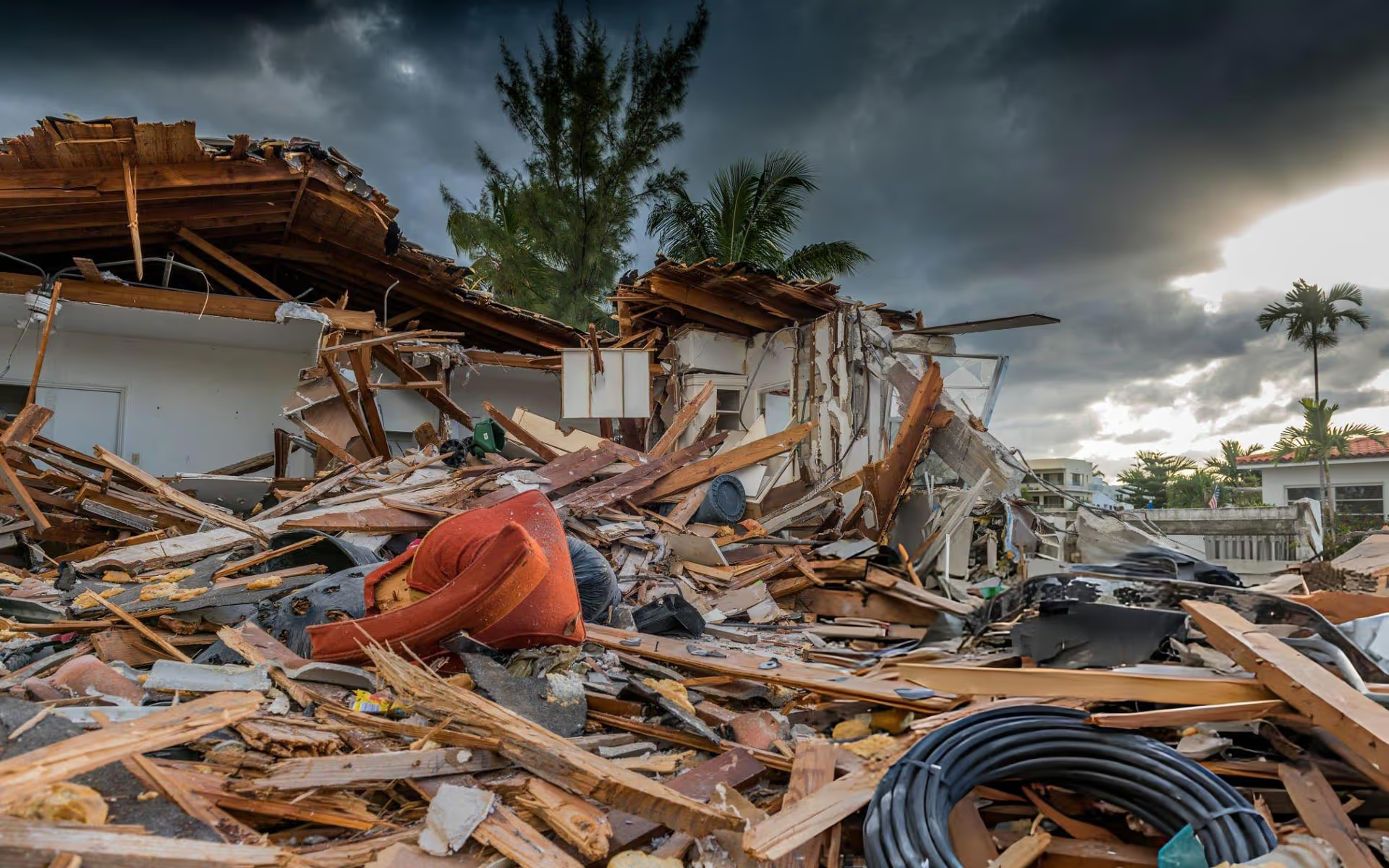
Hurricanes cause widespread destruction across both Florida and Texas. Visit our Hurricane Damage Claims page.
Windstorm & Wind Damage Claims
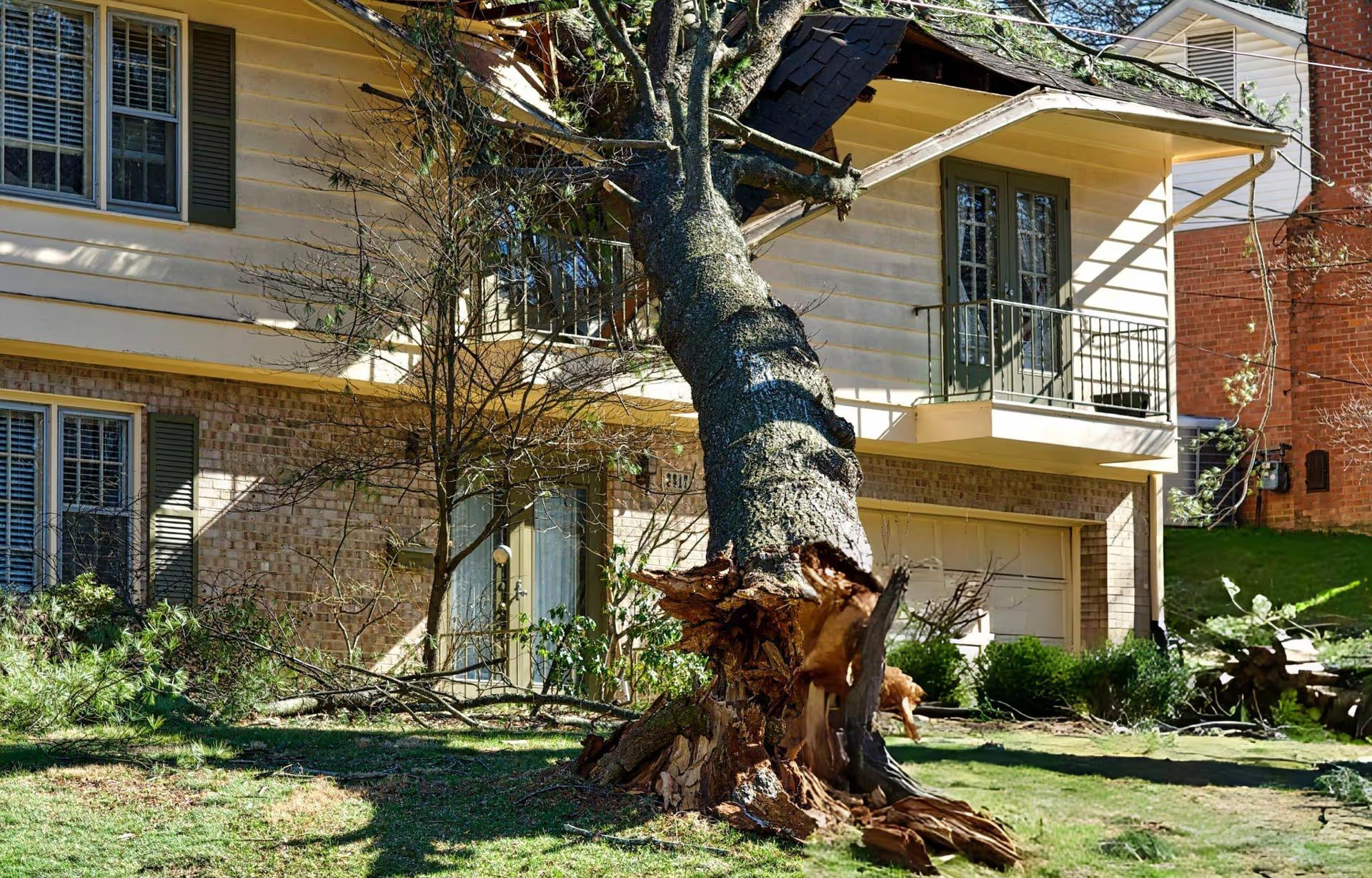
Windstorm claims are among the most commonly disputed home insurance claims in Florida. Winds can cause severe damage to roofs, windows, and structures. See our Windstorm Damage Claims page.
Hail Damage Claims
Hail damage to roofs, siding, gutters, and windows is frequently undervalued or denied by insurance carriers who claim the damage is "cosmetic only."
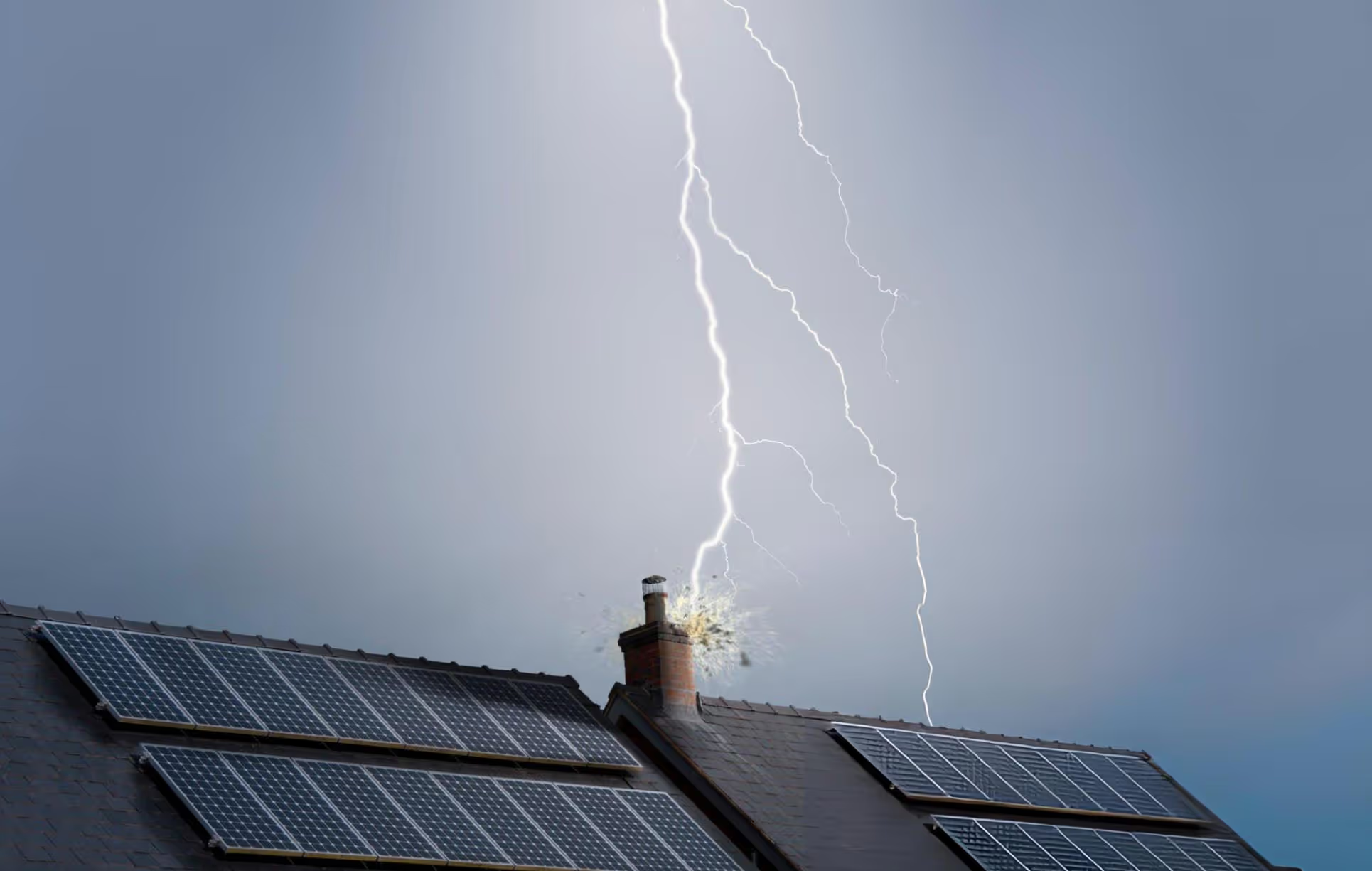
Lightning Damage Claims
Lightning destroys electrical systems, appliances, and roofs. Visit our Lightning Damage Claims page.
Sinkhole Damage Claims
Sinkholes cause structural instability and foundation failure. Visit our Sinkhole Damage Claims page.
Commercial Property Claims
Our law firm handles commercial property insurance claims for businesses of all sizes throughout Florida and Texas. See our Commercial & Business Property Damage page.
How Insurance Companies Mishandle Home Insurance Claims
Lowball Estimates — The insurance carrier's estimate is far below the actual cost to repair or restore your property.
Ignoring Hidden Damage — Especially common in water damage, mold, and roof claims where damage isn't immediately visible.
Delayed Investigations — Insurers stall to pressure policyholders into accepting a low offer before they understand the full value of their claim.
Biased Engineering Reports — Insurance companies hire engineers specifically to minimize storm, wind, or structural damage.
Partial Coverage — Insurers pay for interior damage but deny the roof damage or wind damage that caused it.
Misclassification of Damage — Calling storm damage "wear and tear," mold a "maintenance issue," or water damage "long-term seepage" to deny valid property insurance claims.
Florida & Texas Property Insurance Laws Protect Homeowners & Policyholders
Both states require insurance companies to:
- Investigate your home insurance claim promptly
- Pay undisputed amounts quickly
- Evaluate all storm-related and water-related damage to your property
- Follow building code requirements
- Provide written explanations for any denial or reduction of your property damage claim
If the insurance carrier fails to meet these obligations, they may be acting in bad faith. Finman Law Group's insurance claim attorneys use Florida and Texas property insurance laws to hold insurance companies accountable.
How Our Homeowners Insurance Lawyers Fight Property Damage Claims
When you hire our insurance claim law firm, we take over the entire process and build a strong case for full compensation:
1. Full Property Assessment
We work with roofers, engineers, water mitigation experts, mold assessors, contractors, HVAC specialists, and public adjusters to inspect the damage and document every area of loss the insurance carrier ignored.
2. Challenging Lowball Adjuster Estimates
Our experienced property damage attorneys challenge the insurer's figures with independent assessments that reflect the true cost of repairs.
3. Demanding Full Repairs — Not Patchwork
We ensure the insurance company pays for everything necessary to restore your residential or commercial property — roof replacement, drywall, flooring, electrical, mold remediation, and plumbing repairs.
4. Enforcing Building Code Requirements
Our property insurance claim attorneys make sure the insurance carrier pays for all required code upgrades.
5. Filing Supplemental Property Claims
If the insurance provider missed or undervalued damage, we reopen the claim and file a supplemental property insurance claim.
6. Pursuing Bad Faith Damages
If the insurance carrier acted in bad faith, they may owe additional compensation beyond the original claim.
7. Litigation When Necessary
If the insurer refuses to pay, our attorneys take legal action. Our law firm operates on a contingency fee basis — no cost to you unless we win your case.
What to Do After Home or Property Damage
- Document everything — take photos and videos of all damage before any repairs begin.
- Protect your property — tarp the roof, stop active leaks, and prevent further damage.
- Don't throw away damaged materials — they are evidence in your property damage claim.
- Request a full copy of your insurance policy — our attorneys review your case and identify all available coverage.
- Don't accept the first offer — the insurance company may offer far less than the true value of your claim.
- Call Finman Law Group at 786-786-9633 — our homeowners insurance lawyers take over communication with the insurance carrier immediately.
Frequently Asked Questions — Homeowners Insurance Claim Attorneys
Does homeowners insurance cover storm damage including wind damage and hail damage?
Yes — but insurance carriers often dispute the cause of loss or claim the damage is "cosmetic only." Our experienced property damage attorneys know how to document wind damage, hail damage, and hurricane losses and fight for a fair settlement.
Does homeowners insurance cover water damage?
Often yes, if the water damage was sudden and accidental. Insurers frequently misclassify water damage as "long-term seepage" to deny valid property insurance claims.
Does homeowners insurance cover mold damage?
Often yes, if the mold was caused by a covered water loss. Our home insurance claim attorneys fight to include all mold-related losses in your property damage claim.
Can I reopen a homeowners insurance claim?
Yes. You can file a supplemental claim if your insurance provider underpays your claim or missed damage. Deadlines apply — call us immediately.
Do I need an attorney for a homeowners insurance claim?
If your insurance company denied your claim or the offer doesn't reflect the true cost to restore your property, it is recommended you consult with an experienced insurance claim attorney. Our law firm works on a contingency fee basis — no cost to you unless we win your case.
Do you handle commercial property insurance claims?
Yes. Our law firm handles both residential and commercial property insurance claims throughout Florida and Texas.
Why Policyholders & Property Owners Choose Finman Law Group
- Experienced homeowners insurance lawyers and property insurance claim attorneys — not generalists
- Deep experience with all types of property insurance claims including roof, water, hail, wind, hurricane, fire, and mold
- Proven track record of success fighting insurance claim disputes in Florida and Texas
- No upfront fees — our law firm operates on a contingency fee basis
- Free consultation and free case review for every new client
- Full legal representation from intake to litigation for residential and commercial property owners
- Community-focused, client-first approach
Protect Your Home. Protect Your Rights. Get a Free Case Review Today.
If your home insurance claim or commercial property insurance claim has been denied, delayed, or underpaid — don't face the insurance carrier alone. Finman Law Group's homeowners insurance lawyers and property insurance claim attorneys are ready to review your case, challenge your insurer, and pursue the full compensation you deserve.
Call 786-786-9633 | Free Consultation | Free Case Review | Florida & Texas Homeowners Insurance Claim Attorneys
Finman Law Group — Your homeowners insurance claim deserves full compensation, and our law firm will fight to get it.






















-web.avif)





Contact Form
Fill out the form below to get in touch with our team.