
Menu
Underpaid Insurance Claims Lawyers & Attorneys — Fighting Underpayment of Claims for Policyholders in Florida and Texas
Underpaid on your insurance claim? Our Florida claims lawyers fight insurance companies. Contact an experienced attorney for underpaid insurance claims. Call 786-786-9633



You pay your insurance premiums on time. You expect your insurance company to do the right thing when disaster strikes. But instead of denying your claim outright, many insurance providers use a more subtle tactic: they underpay your claim.
Underpayment of claims is one of the most common — and most profitable — bad faith insurance practices used by insurance companies in Florida and Texas. They offer a lowball offer, hoping you'll accept it out of frustration, confusion, or financial pressure. But accepting less than they owe can leave you with thousands of dollars in uncovered repairs and long-term property damage.
At Finman Law Group, our underpaid insurance claims lawyers and attorneys in Florida fight aggressively to recover the full value of your claim. Florida law allows policyholders to challenge underpayment of claims — and we're here to make sure you get every dollar you're owed.
Call 786-786-9633 | Free Case Evaluation | No Upfront Fees | Florida & Texas
What Is an Underpaid Insurance Claim?
An underpaid claim happens when the insurance company acknowledges your loss but refuses to pay the full value of the damage. Instead of denying the claim outright, they minimize it. If your claim has been underpaid, you have the right to fight back — and our experienced insurance claim attorneys are ready to help.
Common signs your insurance claim has been underpaid include:
- The insurance adjuster's estimate is far lower than independent contractor estimates
- The adjuster ignored parts of the damage during their inspection
- The insurer only paid for temporary repairs rather than full restoration
- The insurer used "depreciation" to reduce the true value of your claim
- The insurer blamed damage on "wear and tear" to reduce their payout
- The insurer refused to pay for required code upgrades
- The insurer paid for patchwork fixes instead of full replacement
- The insurer used a biased engineer or insurance adjuster to undervalue claims
If the payout doesn't cover the real cost of repairs, your claim was underpaid — and our insurance claims attorneys can help you recover compensation.
Why Insurance Companies Underpay Claims in Florida
Insurance companies underpay claims because it saves them money — and most policyholders don't hire an attorney or fight back. Our experienced insurance claim attorneys see these bad faith practices every day:
- They assume you won't file a lawsuit or hire an attorney to challenge the lowball offer
- They use software specifically designed to undervalue claims and reduce payouts
- They rely on insurance adjusters trained to minimize the value of a claim
- They pressure policyholders into accepting less than they deserve through delays and confusion
- They offer settlements that are far below the true value of your claim hoping you'll accept quickly
- They misinterpret insurance policies to reduce coverage and deny portions of your claim
Underpayment of claims is especially common in roof damage, water damage, hurricane and windstorm claims, mold claims, fire and smoke claims, and commercial property insurance cases. If you believe your insurance company has underpaid what you're owed, contact our Florida underpaid insurance claim attorneys immediately.
Florida & Texas Laws Protect Policyholders From Bad Faith Insurance Practices
Both states have strong consumer protection laws requiring insurance companies to act in good faith when handling insurance claims in Florida and Texas. If your insurance company has denied or underpaid your claim, they may be violating:
- Florida Statutes § 627.70131 — requiring prompt payment of undisputed amounts
- Texas Insurance Code Chapter 542 — the Prompt Payment of Claims Act
- Bad faith insurance laws in both states — protecting policyholders from insurance company bad faith practices
Florida law allows policyholders to pursue additional damages, penalties, and attorney's fees when an insurance company acts in bad faith by undervaluing claims or engaging in bad faith practices. Our insurance claims attorneys use these laws aggressively to hold insurance providers accountable.
How Insurance Companies Underpay Claims — Tactics Our Attorneys Expose
Insurance companies use sophisticated strategies to reduce the value of a claim and pressure policyholders into accepting less than they deserve. Our experienced Florida attorneys see these bad faith insurance practices in property insurance cases every day:
Lowball Estimates — The insurance adjuster's estimate is intentionally far below market value, designed to reduce the true value of your claim from the start.
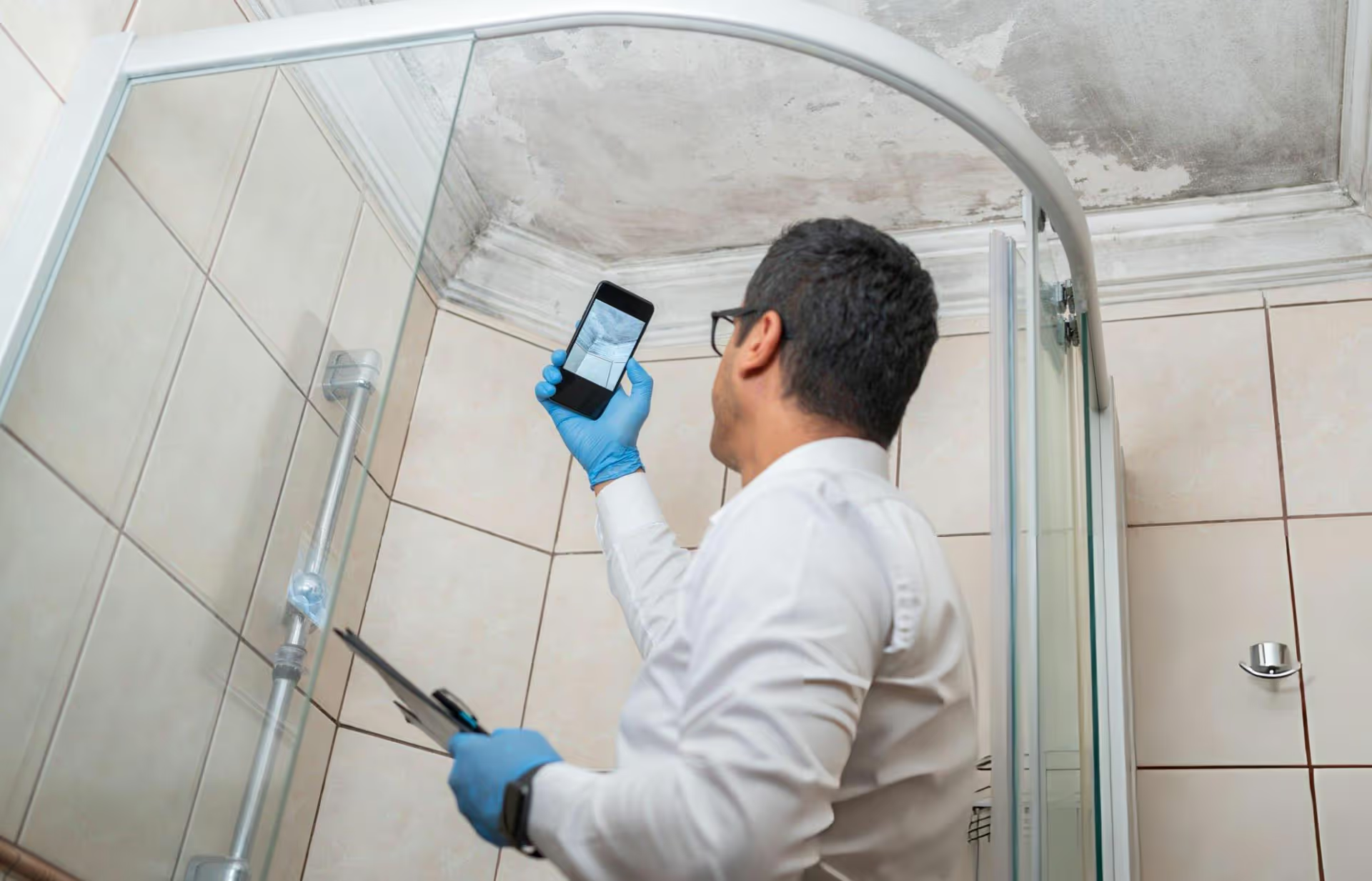
Ignoring Hidden or Secondary Damage — Especially common in water, mold, and fire insurance claims in Florida, where damage isn't immediately visible but significantly increases repair costs.
Depreciation Abuse — Insurers reduce payouts by claiming your property is "old" even when full replacement is required. Our insurance claims attorney can help you recover compensation for the full replacement value.
Partial Coverage — The insurance company pays for one part of the damage but ignores the rest, leaving you with an underpaid claim and uncovered repair costs.
Biased Engineering Reports — Engineers hired by insurance providers are often instructed to minimize storm or structural damage. Our experienced insurance attorneys challenge these reports with independent expert assessments.
Patchwork Repairs — Insurers pay for small fixes instead of full replacement — especially common in roof damage claims where full replacement is clearly warranted.
Excluding Code Upgrades — Florida and Texas require repairs to meet current building codes. Insurers frequently ignore this obligation to reduce payouts, which our attorneys in Florida know how to challenge.
Misclassifying Damage — Calling storm damage "wear and tear," mold a "maintenance issue," or water damage "long-term seepage" are classic bad faith insurance practices used to reduce the value of a claim.
How Our Underpaid Insurance Claims Attorneys Fight for You
When you hire our law firm, we take over the entire claim process and build a strong case to recover the full value of your claim:
1. Reviewing Your Insurance Policy and Payment
Our experienced insurance claim attorneys identify every coverage area the insurance company ignored or undervalued — and determine if your insurance company acted in bad faith in handling your claim.
2. Independent Investigation with Expert Support
We bring in contractors, roofers, engineers, mold assessors, water mitigation experts, and fire investigators to document the true value of your claim and expose what the insurance adjuster missed or deliberately ignored.
3. Challenging the Insurance Company's Lowball Estimate
We expose errors, omissions, and biased assessments in the insurance company's evaluation — and present independent expert evidence that reflects the true cost of repairs and the full value of your claim.
4. Filing a Supplemental Claim
We file a supplemental claim that forces the insurance provider to reconsider their position and pay additional funds owed on your underpaid claim.
5. Pursuing Bad Faith Insurance Claims
When an insurance company's bad faith practices cross the line under Florida law or the Texas Insurance Code, policyholders may be entitled to additional compensation, penalties, and attorney's fees. Our insurance litigation attorneys know how to pursue bad faith claims aggressively.
6. Filing a Lawsuit Against the Insurance Company When Necessary
If the insurance provider refuses to pay the full value of your claim, our attorneys file a lawsuit against the insurance company and fight aggressively in court. Our law firm works on a contingency fee basis — you pay nothing unless we win.
Types of Insurance Claims Most Commonly Underpaid in Florida
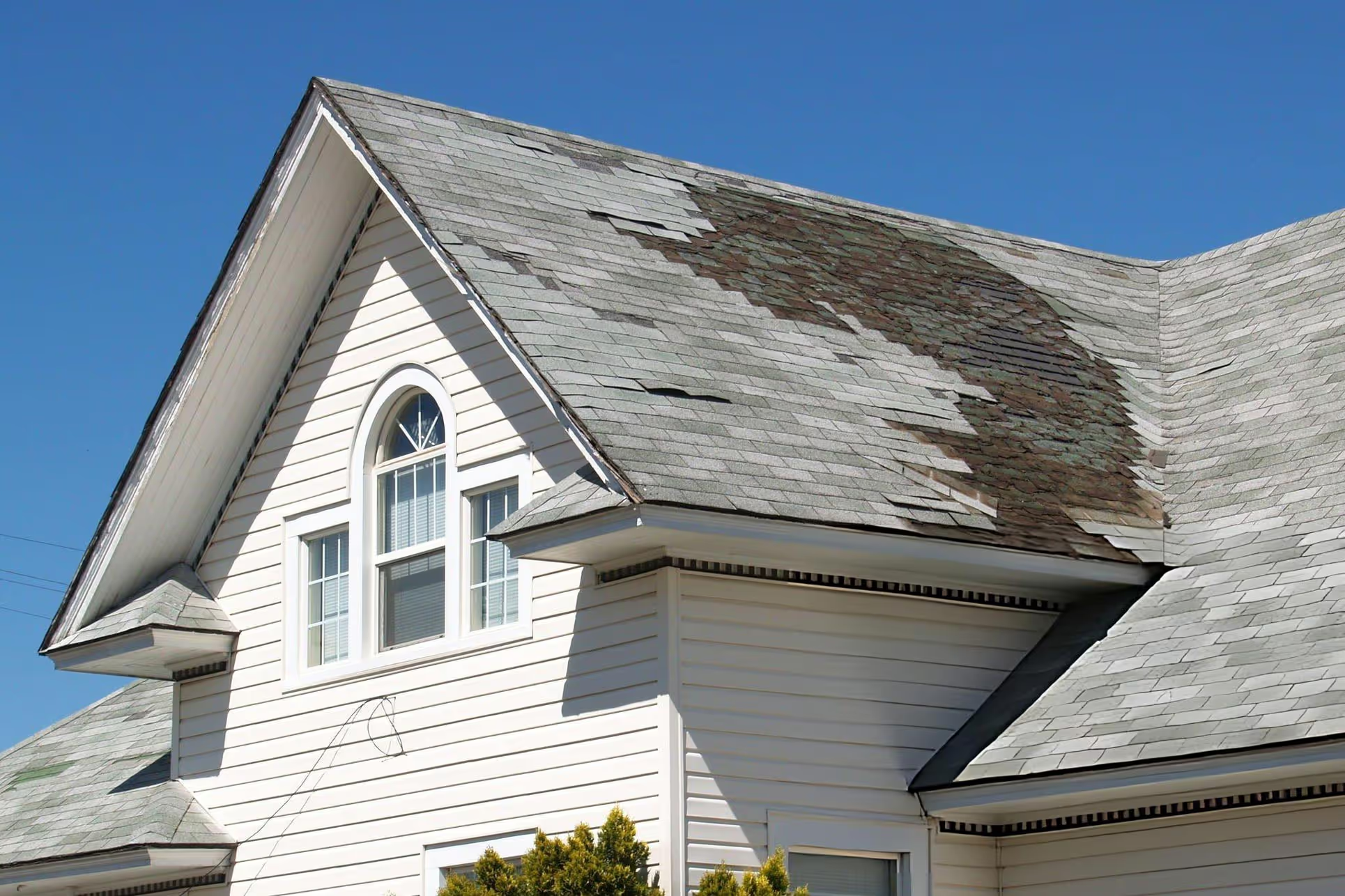
Roof Damage Claims — Insurers frequently pay for small patches instead of full roof replacement, leaving policyholders with an underpaid claim and ongoing damage. Visit our Roof Damage Claims page.
Water Damage Claims — Underpayment is common when insurance adjusters blame damage on "maintenance" rather than a covered event. See our Water Damage Claims page.
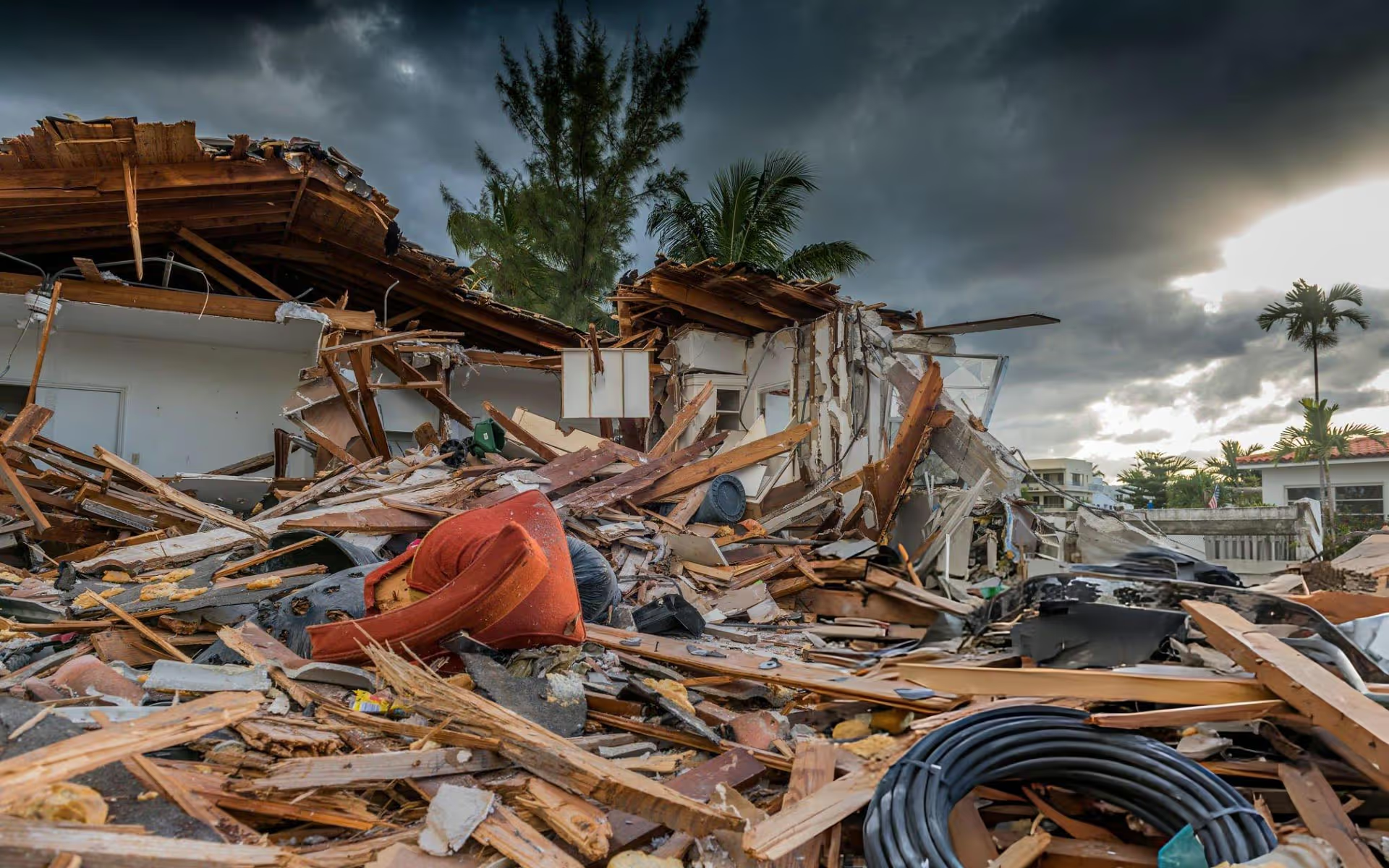
Hurricane & Windstorm Claims — Florida underpaid insurance claims are most prevalent in hurricane and storm-related losses. Visit our Hurricane Damage and Windstorm Damage pages.
Mold Claims — Insurers often refuse to pay for full remediation even when mold is clearly caused by a covered water loss. See our Mold Damage Claims page.
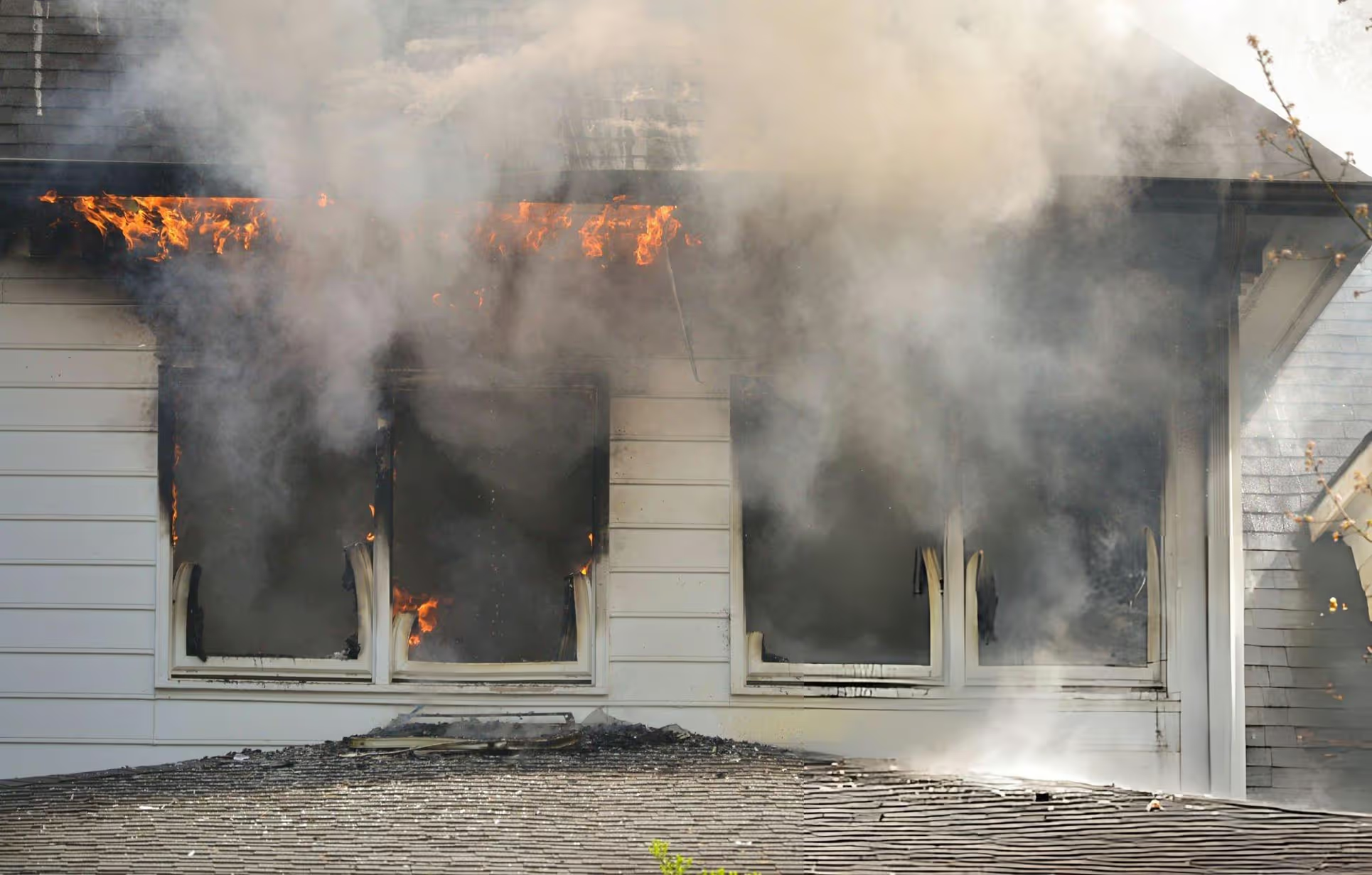
Fire & Smoke Claims — Smoke damage is frequently undervalued by the insurance adjuster, leaving policyholders with an underpaid claim for contamination and structural losses. Visit our Fire & Smoke Damage page.
Commercial Property Claims — Businesses face the largest underpayments in insurance claims due to higher repair costs and business interruption losses. See our Commercial & Business Property Damage page.
What to Do If Your Insurance Claim Has Been Underpaid
- Don't accept the lowball offer — you are not required to accept the insurance company's estimate as the final value of your claim.
- Don't sign a release — signing can prevent you from recovering additional compensation and may waive your right to challenge the underpayment of claims.
- Get independent repair estimates — contractor estimates often reveal the true value of your claim and the gap between what was paid and what you're owed.
- Document everything — photos, videos, invoices, and emails all strengthen your insurance case.
- Call Finman Law Group at 786-786-9633 — our Florida & Texas underpaid insurance claim attorneys take over the claim process on your behalf immediately.
Frequently Asked Questions — Underpaid Insurance Claims Attorneys in Florida
Can I reopen an underpaid insurance claim in Florida?
Yes. You are able to reopen your claim and file a supplemental claim to dispute the payment. Florida law allows policyholders to challenge underpayment of claims within specific timeframes — contact our insurance claims attorneys immediately to protect your rights.
How do I determine if my insurance claim has been underpaid?
The clearest way to determine if your insurance company underpaid your claim is to get independent contractor estimates and compare them to the insurance adjuster's figures. If there's a significant gap, contact our experienced insurance claim attorneys for a free case evaluation. We'll review your policy, the payment, and the damage to determine if your insurance company acted in bad faith.
What are bad faith insurance practices and do they apply to my claim?
Bad faith insurance practices occur when an insurance company acts unreasonably in handling your claim — including undervaluing claims, using biased adjusters, making a lowball offer, or pressure policyholders into accepting less than they deserve. Florida law allows policyholders to pursue additional damages when bad faith claim practices are proven. Our experienced insurance attorneys evaluate every case for bad faith conduct.
How long do I have to challenge an underpayment of claims in Florida?
Florida and Texas impose specific deadlines for supplemental claims, insurance disputes, and lawsuits against an insurance company. Contact our Florida underpaid insurance claim attorneys immediately — delays can reduce or eliminate your ability to recover compensation.
Can the insurance company retaliate if I hire an attorney?
No. Insurance providers cannot legally punish you for hiring an attorney to discuss your rights or challenge their decision. In fact, insurance claims in Florida are often resolved far more favorably once the insurance company knows an experienced attorney is involved.
Do I pay anything upfront to hire an underpaid insurance claims attorney?
No. Our law firm works on a contingency fee basis — you pay nothing unless we win your insurance case. Your free case evaluation costs nothing. Call us today to speak with an experienced Florida underpaid insurance claim attorney.
Why Policyholders Choose Finman Law Group's Insurance Claims Attorneys
- Experienced insurance claims attorneys and underpaid insurance claims lawyers specializing in Florida & Texas underpaid insurance claim disputes
- Deep experience with bad faith insurance practices, insurance litigation, and underpayment of claims in property insurance cases
- Proven success challenging lowball offers and recovering the full value of a claim for policyholders throughout Florida and Texas
- Knowledge of Florida Statutes § 627.70131 and Texas Insurance Code Chapter 542 governing insurance claims in Florida and Texas
- No upfront fees — our law firm works on a contingency fee basis
- Free case evaluation for every new client — determine if your insurance company acted in bad faith at no cost
- Full support through every stage of the claim process, from supplemental claims through insurance litigation
- Community-focused, client-first approach — we don't let insurance companies get away with paying less than what you deserve
Get the Full Value of Your Claim — Free Case Evaluation Today
If your Florida & Texas underpaid insurance claim has left you with uncovered repairs and uncompensated losses — don't accept less than you're owed. Finman Law Group's underpaid insurance claims lawyers and attorneys in Florida are ready to review your case, challenge your insurance provider's bad faith practices, and recover the full value of your claim.
Call 786-786-9633 | Free Case Evaluation | Florida & Texas Underpaid Insurance Claims Attorneys
Finman Law Group — Your claim is worth more, and our insurance claims attorneys will fight to prove it.


















-web.avif)





Contact Form
Fill out the form below to get in touch with our team.