Injuries at Hotels, Parking Lots, and Nightlife Venues: When Is the Property Owner Liable?

Injuries at Hotels, Parking Lots, and Nightlife Venues: When Is the Property Owner Liable?

Article content

Florida draws tens of millions of visitors every year. People come for the beaches, the theme parks, the nightlife, and also the sunshine. The overwhelming majority of them go home with nothing but good memories. But sometimes, unfortunately they may go home with injuries such as a fractured wrist from a fall in a hotel lobby, a concussion from an assault in a parking garage, a maybe even a torn ligament from a trip hazard nobody bothered to fix. With those injuries come serious, and legitimate questions about who is responsible.

If you've been hurt at a hotel, parking lot, nightclub, or entertainment venue in Florida, the answer to that question matters more than you might realize.

The Legal Obligation Every Property Owner Carries

Businesses that invite the public onto their property, whether it be a beautiful beachfront resort, a downtown parking structure, or a nightclub, do take on a legal responsibility to keep that space reasonably safe. This isn't a courtesy, it is a requirement under Florida premises liability law.

In practical terms, that obligation includes conducting routine inspections to identify and fix hazards, maintaining adequate lighting throughout the property, posting clear warnings when a known danger can't be immediately corrected, ensuring security is present in areas with elevated risk, and addressing spills, broken fixtures, and structural issues without delay.

When a business fails to meet these standards and a visiting guest is injured as a result of it, the property owner can be held liable for the harm caused to them.

The Kinds of Injuries That Lead to These Claims

The range of injuries that occur in these settings is vast and wide, but certain patterns come up again and again:

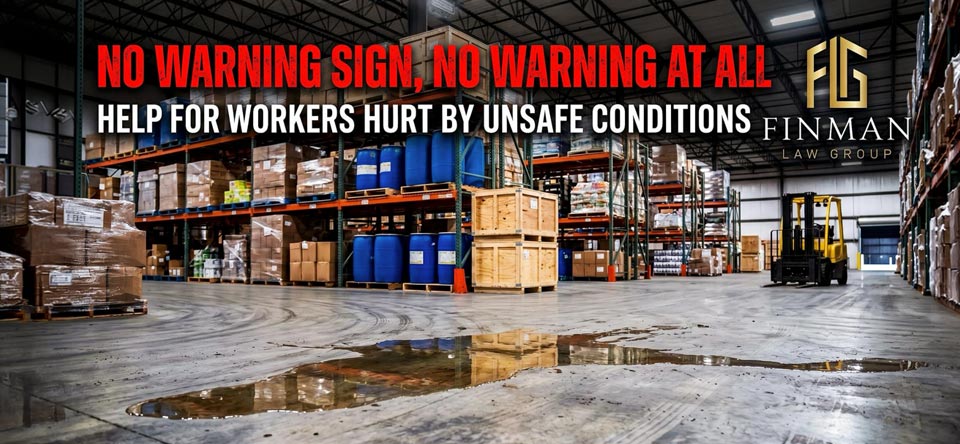
  • Slip and fall accidents on wet lobby floors, pool decks, or bathroom tiles that weren't marked or addressed
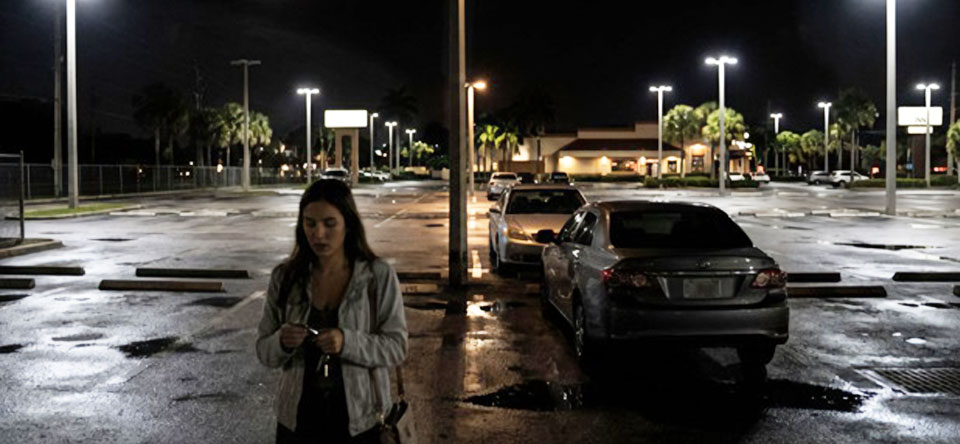
  • Assaults in poorly lit parking garages or lots with inadequate security coverage
  • Trip and fall incidents caused by loose carpeting, uneven flooring, or cluttered walkways in event spaces
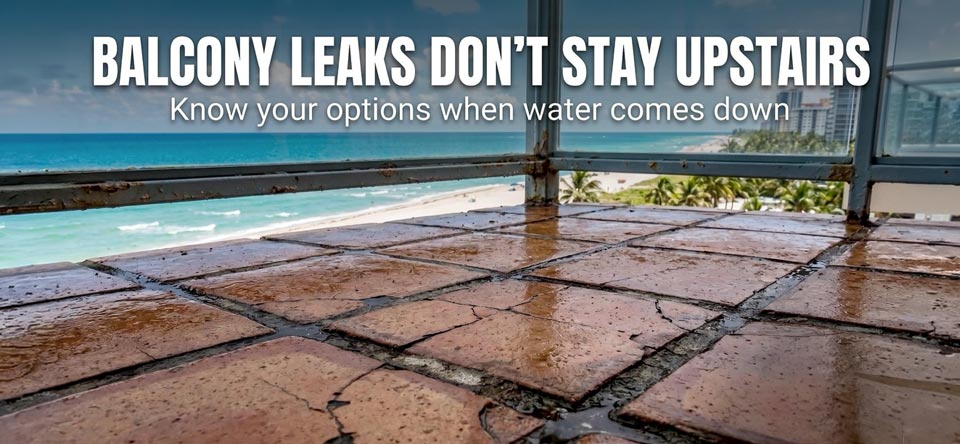
  • Injuries from broken or unstable railings, steps, or balconies that hadn't been properly maintained
  • Incidents at crowded venues where a lack of crowd control created dangerous conditions

What many of these situations share is that the hazard didn't appear without warning. In most cases, there was a known problem, and a decision, whether conscious or not, to leave it unaddressed.

What You Have to Prove  

Florida law doesn't hold property owners responsible simply because an injury happened on their premises. The legal standard requires showing that the owner knew or reasonably should have known about the dangerous condition, and that they did fail to fix it or warn guests about it.

The distinction of,  knew or should have known, is crucial. It means that even if no one officially reported a problem, an owner can still be liable if the hazard was obvious enough that a reasonable inspection would have caught it. A puddle that's been sitting on a hotel floor for two hours, or a parking lot light that's been out for weeks, isn't the kind of thing a diligent owner misses.

Building a strong case typically depends on gathering the right evidence, which can include surveillance footage from the property, maintenance and inspection logs, employee incident reports, prior complaints from guests or staff, and statements from witnesses who saw the hazard before the incident occurred.

Why These Cases Matter Beyond One Victim

It's worth stepping back to see the bigger picture. In cities like Miami, Orlando, Tampa, and Fort Lauderdale, the hospitality and entertainment industries are central to the local economy. These are businesses that rely on public trust and on guests feeling welcome, comfortable, and safe.

When a hotel lets maintenance slide, when a nightclub skimps on security, or when a parking operator leaves lights burned out for weeks, they're creating legal exposure and undermining the expectation that the guests have every right to hold. Accountability in these cases sends a message that resonates beyond any single settlement or verdict.

How Finman Law Group Approaches These Cases

The attorneys at Finman Law Group understand that injuries in hospitality and entertainment settings often involve large, well-insured defendants who have experience minimizing claims. Their approach is thorough and proactive, investigating the physical conditions at the scene, reviewing maintenance and security records, consulting with experts when needed, and building the kind of detailed case that stands up to scrutiny.

The goal isn't just compensation, though that matters enormously for people dealing with medical bills, lost income, and the disruption that serious injuries cause. The goal is also to make clear that cutting corners on safety has real consequences.

When property owners fail the people who trust them, the law provides a path to justice. Finman Law Group is committed to making sure injured parties can walk that path with confidence.

Florida draws tens of millions of visitors every year. People come for the beaches, the theme parks, the nightlife, and also the sunshine. The overwhelming majority of them go home with nothing but good memories. But sometimes, unfortunately they may go home with injuries such as a fractured wrist from a fall in a hotel lobby, a concussion from an assault in a parking garage, a maybe even a torn ligament from a trip hazard nobody bothered to fix. With those injuries come serious, and legitimate questions about who is responsible.

If you've been hurt at a hotel, parking lot, nightclub, or entertainment venue in Florida, the answer to that question matters more than you might realize.

The Legal Obligation Every Property Owner Carries

Businesses that invite the public onto their property, whether it be a beautiful beachfront resort, a downtown parking structure, or a nightclub, do take on a legal responsibility to keep that space reasonably safe. This isn't a courtesy, it is a requirement under Florida premises liability law.

In practical terms, that obligation includes conducting routine inspections to identify and fix hazards, maintaining adequate lighting throughout the property, posting clear warnings when a known danger can't be immediately corrected, ensuring security is present in areas with elevated risk, and addressing spills, broken fixtures, and structural issues without delay.

When a business fails to meet these standards and a visiting guest is injured as a result of it, the property owner can be held liable for the harm caused to them.

The Kinds of Injuries That Lead to These Claims

The range of injuries that occur in these settings is vast and wide, but certain patterns come up again and again:

  • Slip and fall accidents on wet lobby floors, pool decks, or bathroom tiles that weren't marked or addressed
  • Assaults in poorly lit parking garages or lots with inadequate security coverage
  • Trip and fall incidents caused by loose carpeting, uneven flooring, or cluttered walkways in event spaces
  • Injuries from broken or unstable railings, steps, or balconies that hadn't been properly maintained
  • Incidents at crowded venues where a lack of crowd control created dangerous conditions

What many of these situations share is that the hazard didn't appear without warning. In most cases, there was a known problem, and a decision, whether conscious or not, to leave it unaddressed.

What You Have to Prove  

Florida law doesn't hold property owners responsible simply because an injury happened on their premises. The legal standard requires showing that the owner knew or reasonably should have known about the dangerous condition, and that they did fail to fix it or warn guests about it.

The distinction of,  knew or should have known, is crucial. It means that even if no one officially reported a problem, an owner can still be liable if the hazard was obvious enough that a reasonable inspection would have caught it. A puddle that's been sitting on a hotel floor for two hours, or a parking lot light that's been out for weeks, isn't the kind of thing a diligent owner misses.

Building a strong case typically depends on gathering the right evidence, which can include surveillance footage from the property, maintenance and inspection logs, employee incident reports, prior complaints from guests or staff, and statements from witnesses who saw the hazard before the incident occurred.

Why These Cases Matter Beyond One Victim

It's worth stepping back to see the bigger picture. In cities like Miami, Orlando, Tampa, and Fort Lauderdale, the hospitality and entertainment industries are central to the local economy. These are businesses that rely on public trust and on guests feeling welcome, comfortable, and safe.

When a hotel lets maintenance slide, when a nightclub skimps on security, or when a parking operator leaves lights burned out for weeks, they're creating legal exposure and undermining the expectation that the guests have every right to hold. Accountability in these cases sends a message that resonates beyond any single settlement or verdict.

How Finman Law Group Approaches These Cases

The attorneys at Finman Law Group understand that injuries in hospitality and entertainment settings often involve large, well-insured defendants who have experience minimizing claims. Their approach is thorough and proactive, investigating the physical conditions at the scene, reviewing maintenance and security records, consulting with experts when needed, and building the kind of detailed case that stands up to scrutiny.

The goal isn't just compensation, though that matters enormously for people dealing with medical bills, lost income, and the disruption that serious injuries cause. The goal is also to make clear that cutting corners on safety has real consequences.

When property owners fail the people who trust them, the law provides a path to justice. Finman Law Group is committed to making sure injured parties can walk that path with confidence.

Additionally Reads

What Makes Truck Accident Claims More Complex Than Regular Car Crashes

What Makes Truck Accident Claims More Complex Than Regular Car Crashes

Discover why truck accident claims are more complex than car crashes. Learn about liability, evidence, federal regulations, and protecting your rights. Free consultation.

How to Handle an Injury Claim After a Rideshare Accident (Uber/Lyft) in Florida

How to Handle an Injury Claim After a Rideshare Accident (Uber/Lyft) in Florida

Injured in a Florida Uber/Lyft accident? Learn how to navigate claims, gather evidence, and explore your legal options. Free consultation available.

Understanding Negligent Security Claims in Florida Apartment Complexes

Understanding Negligent Security Claims in Florida Apartment Complexes

Learn about negligent security claims in Florida. Discover how tenants can hold apartment complexes accountable for unsafe conditions and seek justice.