
Topic:
Personal Injury, Accidents, Slip & Fall
Article content
When employers know about hazards and workers find out the hard way
Every morning, workers across Greater Houston clock in expecting a basic bargain to hold. They'll do the job, and the workplace will be reasonably safe while they do it. Most days, that bargain holds. But when it doesn't, when hazards go unaddressed and warnings never come, the consequences can change a person's life in seconds. Workplace injuries across Houston, Pasadena, Baytown, Katy, and the surrounding communities often trace back to dangerous conditions employers knew about and failed to fix, or failed to even mention. And when that happens, families are left carrying the weight, medical bills, lost income, and the stress of a recovery nobody planned for.
Houston's economy is one of the most diverse in the country, and that diversity means an enormous range of workplace risks. Construction sites rising across the metro, energy and petrochemical facilities along the Ship Channel, warehouses, hospitals, restaurants, and retail floors all carry their own hazards. Across every one of those industries, the same preventable conditions keep showing up:
Here's the frustrating part. Almost none of this is exotic or unpredictable. These hazards are known, common, and preventable, yet they remain fixtures in workplaces across the region because addressing them takes time and money that some employers choose not to spend. The workers absorb the risk instead.
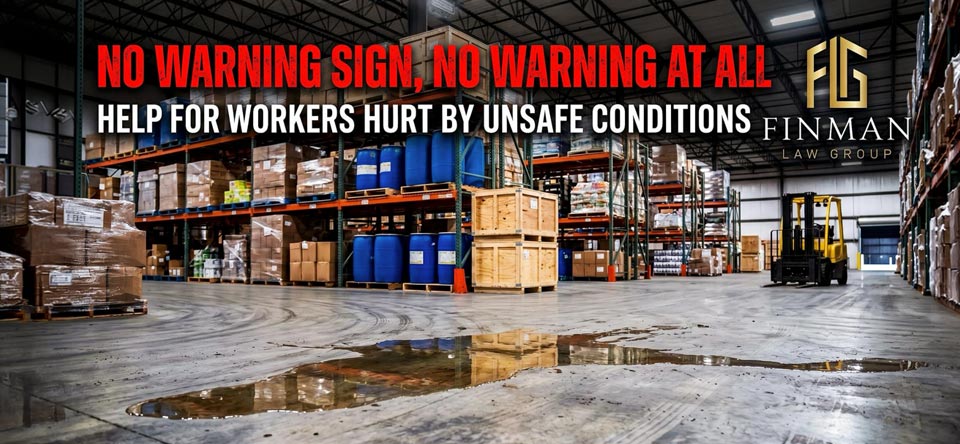
There's a second layer to many of these injuries and it's the one that stings the most. Employers have a responsibility to warn workers about known dangers, and when they don't, employees walk straight into risks they never had a chance to avoid. It looks like missing safety signage, so nobody knows the floor was just mopped or the machine guard is broken. It looks like inadequate training, where new hires get handed equipment without learning the hazards that come with it. It looks like known problems that get discussed in management meetings but never make it to the people actually exposed to them. A warning costs almost nothing. The absence of one can cost a worker everything, and that gap between what an employer knew and what a worker was told sits at the heart of many Houston injury cases.
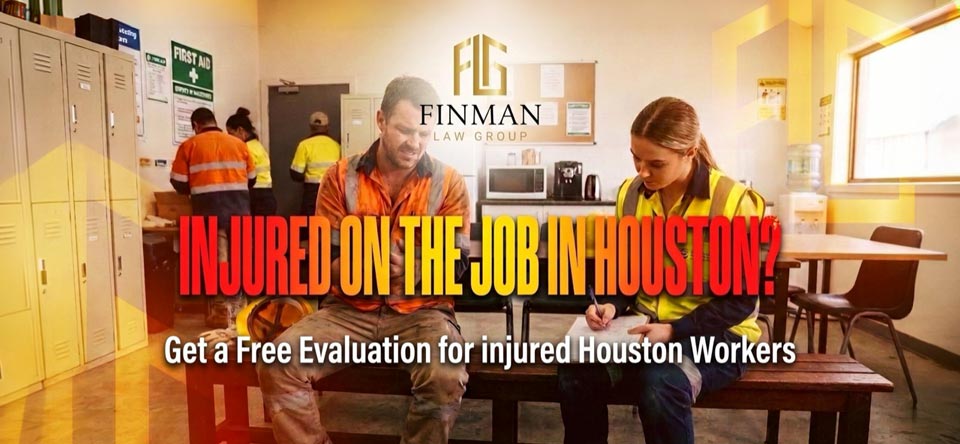
The moments after a workplace injury are often times disorienting. There's the pain, and possibly embarrassment, worry about the job, and possible pressure to often shake it off and get back to work. Workers who've been through it tend to focus on a few grounding steps instead. They document the hazard, taking photos of the wet floor, the broken equipment, or the missing signage before it gets cleaned up or repaired. They get names and statements from coworkers who saw what happened, because workplace conditions change fast once an incident happens. They report the injury to a supervisor promptly and make sure it's recorded in writing, since an official incident report matters enormously later on. And they seek a medical evaluation right away, even for injuries that seem minor, because adrenaline hides a lot and an early medical record protects both health and the facts. None of these steps is about making trouble. They're about making sure the truth of what happened doesn't disappear with the mop water.
A workplace injury never stays at work. It follows the worker home, where families worry about lost wages, mounting medical expenses, and how long recovery will take. It gets heavier when employers dismiss concerns, suggest the worker was careless, or when insurers minimize what happened. Imagine slipping on an unmarked wet floor, being unable to do your job, and then being told it was your own fault. That scenario plays out in Houston workplaces far too often, and the emotional toll of being disbelieved can weigh as much as the physical pain. Workers deserve workplaces that prioritize safety, and when safety fails, they deserve honesty and accountability instead of silence.
Sorting out a workplace injury can feel daunting, especially when employers and insurers lean on complicated language and processes that seem designed to wear people down. Understanding how these situations generally work, what documentation carries the weight, and what options exist gives injured workers real footing. Having experienced support in your corner with someone who makes sure dangerous conditions and missing warnings don't get swept aside, changes both how the process feels and how it turns out.
If you were injured because of dangerous conditions or a failure to warn at a Greater Houston workplace, Finman Law Group can help you understand your options with compassion and clarity. Contact us today for a free evaluation.





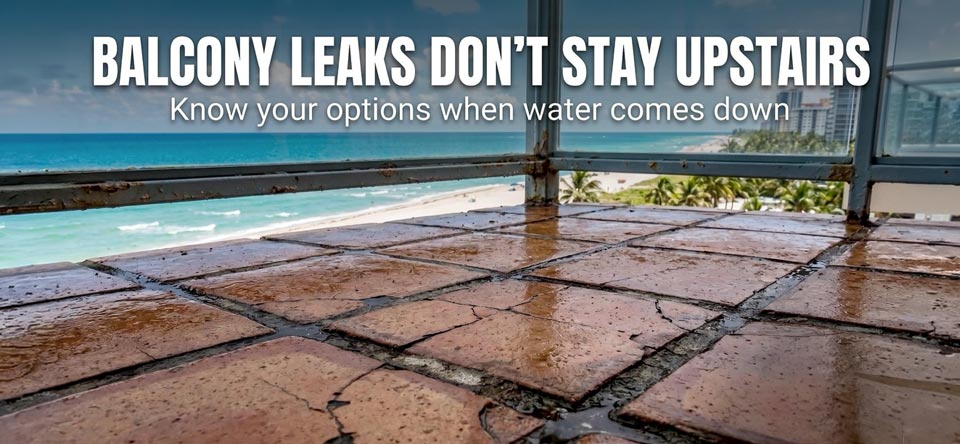
Balcony leaks damage Florida condo units below, and claims get complicated fast. Learn what owners typically do and how Finman Law Group helps. Free evaluation.
Storm Edouard left roof leaks, broken windows, and water damage across Southeast Texas. Finman Law Group helps homeowners with delayed or underpaid claims.

Upstairs neighbor water damage creates messy condo and apartment claims. Learn what residents typically do and how Finman Law Group can help. Free evaluation.