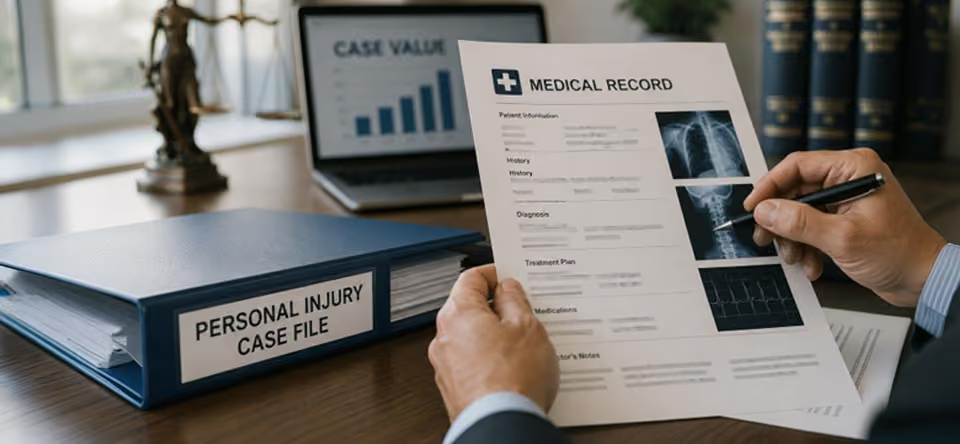
How Medical Records Influence the Value of a Personal Injury Case

How Medical Records Influence the Value of a Personal Injury Case

Article content

When someone is injured in an accident, the conversations that follow often focus on what happened and who was at fault. But behind the scenes, one factor quietly shapes the entire financial outcome of a personal injury claim: the medical records.

Insurance adjusters and attorneys on both sides comb through medical documentation carefully. What those records say, and when the treatment was sought, can have a significant affect on what a claim is ultimately worth.

Why Medical Records Carry So Much Weight

Injury claims are built on evidence, and medical records are the most detailed, credible form of evidence available. They create a documented timeline connecting the accident to the injuries, then the injuries to treatment, and then treatment to the ongoing impact. That chain of documentation is what makes a claim believable and, as a result, quantifiable.

Strong medical records help establish:

  • The cause of the injury and its connection to the accident
  • The severity of injuries at the time of the crash and after
  • The full course of treatment, including specialists and therapy
  • Whether permanent impairment, or long-term limitations exist
  • What future medical care might be needed and at what cost

Common Mistakes That Can Quietly Hurt a Claim

Most people make documentation mistakes without realizing it. These are a few of the most common ones, and why they matter.

Delaying treatment is a significant issue. When days or weeks pass between an accident and a first doctor visit, insurance companies argue that the injuries must not have been serious enough to warrant urgent attention. Even if the delay had a reasonable explanation, that gap gives the insurer an opening.

Missing follow-up appointments sends a similar message as well. A course of treatment that stops and starts again can suggest that the injuries are not as limiting as claimed. Insurers pay really close attention to consistency.

Failing to describe symptoms accurately during appointments is another common problem. If a patient downplays pain or omits certain complaints, then those details won't appear in the medical notes, and what isn't documented very often doesn't count when it's time to negotiate the settlement.

How Attorneys Use Medical Records Strategically

A good personal injury attorney does not just collect medical records and hand them over. Legal teams analyze documentation to tell a coherent story about how the accident changed a person's life.

That involves:

  • Tracing the direct connection between the crash and each injury
  • Demonstrating the progression of treatment and its impact on daily life
  • Using documented symptoms and limitations to support pain and suffering claims
  • Working with medical experts, when needed, to project future care costs

Attorneys also know how to identify when records are incomplete or when additional documentation could strengthen the case. Sometimes that means requesting records from multiple providers, obtaining specialist evaluations, or securing written opinions from treating physicians.

What's on Paper Can Change Everything

Medical records are the backbone of any personal injury claim. Seeking care promptly, attending all of your appointments, and also being thorough and honest with treating providers, are all steps that protect both health and the legal rights. Consistent documentation doesn't just tell the story of an injury, it also builds the foundation for fair and just compensation.

The strength of a personal injury claim often comes down to what's in the medical file.
Finman Law Group helps clients across Florida and Texas build that case the right way.
Call us today or visit finmanlawgroup.com.

When someone is injured in an accident, the conversations that follow often focus on what happened and who was at fault. But behind the scenes, one factor quietly shapes the entire financial outcome of a personal injury claim: the medical records.

Insurance adjusters and attorneys on both sides comb through medical documentation carefully. What those records say, and when the treatment was sought, can have a significant affect on what a claim is ultimately worth.

Why Medical Records Carry So Much Weight

Injury claims are built on evidence, and medical records are the most detailed, credible form of evidence available. They create a documented timeline connecting the accident to the injuries, then the injuries to treatment, and then treatment to the ongoing impact. That chain of documentation is what makes a claim believable and, as a result, quantifiable.

Strong medical records help establish:

  • The cause of the injury and its connection to the accident
  • The severity of injuries at the time of the crash and after
  • The full course of treatment, including specialists and therapy
  • Whether permanent impairment, or long-term limitations exist
  • What future medical care might be needed and at what cost

Common Mistakes That Can Quietly Hurt a Claim

Most people make documentation mistakes without realizing it. These are a few of the most common ones, and why they matter.

Delaying treatment is a significant issue. When days or weeks pass between an accident and a first doctor visit, insurance companies argue that the injuries must not have been serious enough to warrant urgent attention. Even if the delay had a reasonable explanation, that gap gives the insurer an opening.

Missing follow-up appointments sends a similar message as well. A course of treatment that stops and starts again can suggest that the injuries are not as limiting as claimed. Insurers pay really close attention to consistency.

Failing to describe symptoms accurately during appointments is another common problem. If a patient downplays pain or omits certain complaints, then those details won't appear in the medical notes, and what isn't documented very often doesn't count when it's time to negotiate the settlement.

How Attorneys Use Medical Records Strategically

A good personal injury attorney does not just collect medical records and hand them over. Legal teams analyze documentation to tell a coherent story about how the accident changed a person's life.

That involves:

  • Tracing the direct connection between the crash and each injury
  • Demonstrating the progression of treatment and its impact on daily life
  • Using documented symptoms and limitations to support pain and suffering claims
  • Working with medical experts, when needed, to project future care costs

Attorneys also know how to identify when records are incomplete or when additional documentation could strengthen the case. Sometimes that means requesting records from multiple providers, obtaining specialist evaluations, or securing written opinions from treating physicians.

What's on Paper Can Change Everything

Medical records are the backbone of any personal injury claim. Seeking care promptly, attending all of your appointments, and also being thorough and honest with treating providers, are all steps that protect both health and the legal rights. Consistent documentation doesn't just tell the story of an injury, it also builds the foundation for fair and just compensation.

The strength of a personal injury claim often comes down to what's in the medical file.
Finman Law Group helps clients across Florida and Texas build that case the right way.
Call us today or visit finmanlawgroup.com.

Additionally Reads

Bicycle Accidents in Florida and Texas: What Every Injured Cyclist Should Know

Bicycle Accidents in Florida and Texas: What Every Injured Cyclist Should Know

Injured in a Florida or Texas bike accident? Learn what steps to take next and explore your compensation options with expert help from Finman Law Group.

What to Do When Your Insurance Company Denies Your Roof Claim

What to Do When Your Insurance Company Denies Your Roof Claim

Denied roof claim? It's not the final word. Learn how to challenge it effectively and protect your home with expert guidance from Finman Law Group.

Pedestrian Injury Claims in Florida and Texas. What Injured Victims Need to Know

Pedestrian Injury Claims in Florida and Texas. What Injured Victims Need to Know

Learn the essentials of pedestrian injury claims in Florida and Texas. Navigate complex legal systems and protect your rights. Get expert help today.