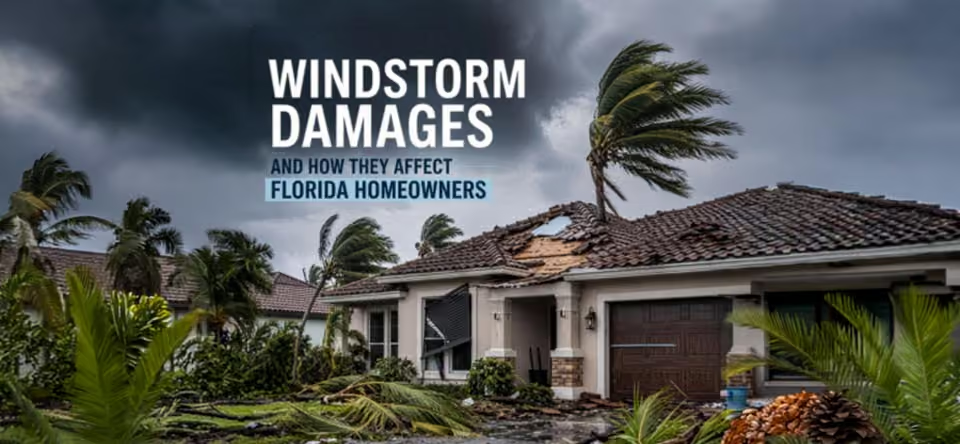
Windstorm Damages and How They Affect Florida Homeowners

Windstorm Damages and How They Affect Florida Homeowners

Article content

If you have lived in Florida for more than a season, you usually know the drill. The sky darkens, the palms start to bend and sway, and everyone quietly hopes their roof holds up and everything stays ok. Windstorms are simply part of life here. But even for seasoned Floridians, the damage a strong storm leaves behind can be truly surprising, and in Florida, it doesn’t always announce itself right away.

It Usually Starts at the Top

The roof takes the first hit in almost every windstorm in Florida. High winds can lift the shingles, loosen flashing, or peel back an entire sections of roofing material in a matter of no time at all. Sometimes the damage is obvious from the street and sometimes it can be a single lifted shingle that lets water sneak in during each rain.

And that is the real problem. Wind damage and water damage tend to travel together. Once moisture finds a way inside your home or commercial building, it can quietly work through the insulation, drywall, flooring, and even get to the electrical system. A storm that seemed minor at the time, can actually turn into a bigger headache in the coming weeks. This is why an early inspection after any significant storm is one of the smartest things a homeowner can do.

Flying Debris Is the Other Culprit

Roofs are not the only target in windstorms. Branches, patio furniture items, trash bins, and loose objects from around the neighborhood can become literally become projectiles in strong winds. Even a small impact can crack stucco, chip siding, or create an opening that grows over time. Florida homeowners get plenty of practice with storms so there are plenty of chances for small damage to pile up.

A quick walk around the property after every major storm really can go a long way to help. Look up at the roofline, check all the windows, and scan the exterior walls for cracks or anything new.

Documentation Can Really Be A Friend

When it comes time to file a windstorm claim, taking some basic steps can go along way to helping prove the damage that happened.

  • Take clear photos of all visible damage, including roof sections, windows, gutters, and the exterior walls.
  • Keep records of any temporary repairs, professional inspections, and any safety concerns you noticed along the way.
  • Write down the date and time of the storm, along with any details you may recall, such as how strong the winds felt or what you heard during the worst part of the storm.

Here is the part that catches many homeowners off guard. Insurance companies often want detailed evidence showing the damage came from wind rather than ordinary wear and tear. That distinction can affect how a claim is handled, so the more information you gather, the stronger your position. A professional inspection can also uncover hidden issues that may be impossible to spot from the ground.

The Waiting Game Works Against You

One more thing that is worth knowing about. Windstorm damage rarely improves with time. For example, a simple lifted shingle today can become a soaked ceiling next month! A hairline crack in stucco becomes a water pathway during the next heavy rainstorm. Small problems can compound quietly and quickly, and by the time they become obvious, the repair bill usually has also increased.

This is also true on the claims side. Policies often have their own timelines and requirements, and gathering fresh evidence right after a storm is always easier than reconstructing what happened months later. Acting promptly protects both the claim and your home.

You Do Not Have to Figure It Out Alone

Dealing with a windstorm claim while also managing repairs, tarps, and possibly family logistics needs can be a lot to do for anyone. The paperwork alone can feel like a second job. But, working with a team that understands Florida's insurance landscape can help to take a lot of the stress off your shoulders.

Finman Law Group helps homeowners navigate claim requirements, communicate with insurers, and make sure all damage is properly documented from start to finish. Windstorms are unpredictable, but your path forward doesn’t have to be. With the right guidance, you can restore your home, protect your investment, and be ready for whatever the next storm season brings.

If you have lived in Florida for more than a season, you usually know the drill. The sky darkens, the palms start to bend and sway, and everyone quietly hopes their roof holds up and everything stays ok. Windstorms are simply part of life here. But even for seasoned Floridians, the damage a strong storm leaves behind can be truly surprising, and in Florida, it doesn’t always announce itself right away.

It Usually Starts at the Top

The roof takes the first hit in almost every windstorm in Florida. High winds can lift the shingles, loosen flashing, or peel back an entire sections of roofing material in a matter of no time at all. Sometimes the damage is obvious from the street and sometimes it can be a single lifted shingle that lets water sneak in during each rain.

And that is the real problem. Wind damage and water damage tend to travel together. Once moisture finds a way inside your home or commercial building, it can quietly work through the insulation, drywall, flooring, and even get to the electrical system. A storm that seemed minor at the time, can actually turn into a bigger headache in the coming weeks. This is why an early inspection after any significant storm is one of the smartest things a homeowner can do.

Flying Debris Is the Other Culprit

Roofs are not the only target in windstorms. Branches, patio furniture items, trash bins, and loose objects from around the neighborhood can become literally become projectiles in strong winds. Even a small impact can crack stucco, chip siding, or create an opening that grows over time. Florida homeowners get plenty of practice with storms so there are plenty of chances for small damage to pile up.

A quick walk around the property after every major storm really can go a long way to help. Look up at the roofline, check all the windows, and scan the exterior walls for cracks or anything new.

Documentation Can Really Be A Friend

When it comes time to file a windstorm claim, taking some basic steps can go along way to helping prove the damage that happened.

  • Take clear photos of all visible damage, including roof sections, windows, gutters, and the exterior walls.
  • Keep records of any temporary repairs, professional inspections, and any safety concerns you noticed along the way.
  • Write down the date and time of the storm, along with any details you may recall, such as how strong the winds felt or what you heard during the worst part of the storm.

Here is the part that catches many homeowners off guard. Insurance companies often want detailed evidence showing the damage came from wind rather than ordinary wear and tear. That distinction can affect how a claim is handled, so the more information you gather, the stronger your position. A professional inspection can also uncover hidden issues that may be impossible to spot from the ground.

The Waiting Game Works Against You

One more thing that is worth knowing about. Windstorm damage rarely improves with time. For example, a simple lifted shingle today can become a soaked ceiling next month! A hairline crack in stucco becomes a water pathway during the next heavy rainstorm. Small problems can compound quietly and quickly, and by the time they become obvious, the repair bill usually has also increased.

This is also true on the claims side. Policies often have their own timelines and requirements, and gathering fresh evidence right after a storm is always easier than reconstructing what happened months later. Acting promptly protects both the claim and your home.

You Do Not Have to Figure It Out Alone

Dealing with a windstorm claim while also managing repairs, tarps, and possibly family logistics needs can be a lot to do for anyone. The paperwork alone can feel like a second job. But, working with a team that understands Florida's insurance landscape can help to take a lot of the stress off your shoulders.

Finman Law Group helps homeowners navigate claim requirements, communicate with insurers, and make sure all damage is properly documented from start to finish. Windstorms are unpredictable, but your path forward doesn’t have to be. With the right guidance, you can restore your home, protect your investment, and be ready for whatever the next storm season brings.

Additionally Reads

Cruiseship Injuries: What Florida Travelers Need to Know

Cruiseship Injuries: What Florida Travelers Need to Know

Explore cruise injury laws for Florida travelers. Learn about maritime rules, legal steps, and protecting your rights when accidents occur on ocean voyages.

Passenger Rights After an Auto Accident in Florida

Passenger Rights After an Auto Accident in Florida

Understand your rights as a passenger after an auto accident in Florida. Learn about compensation, no-fault insurance, and steps to navigate your recovery.

Dog Bite Injury Claims in Florida

Dog Bite Injury Claims in Florida

Learn about dog bite injury claims in Florida. Discover strict liability laws, practical steps, and emotional support for navigating these unexpected incidents.