How to Protect Your Rights During a Florida Property Damage Claim

How to Protect Your Rights During a Florida Property Damage Claim

Article content

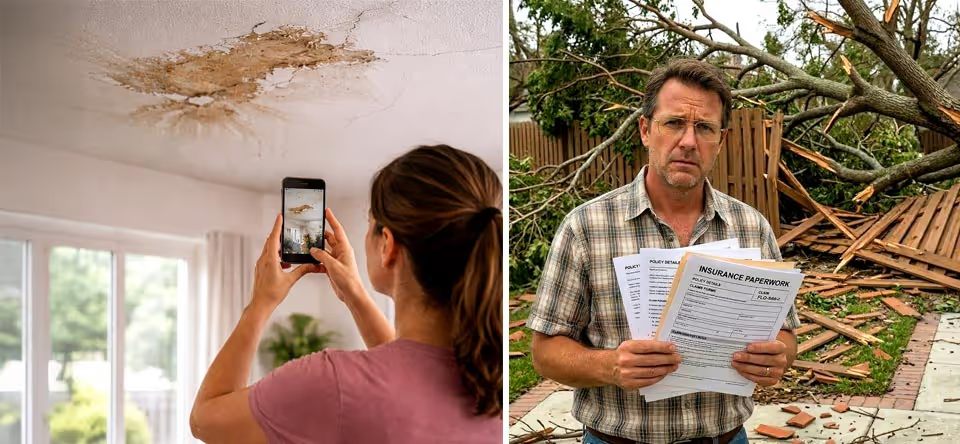
Property damage claims in Florida can follow a predictable pattern. A hurricane hits, a pipe bursts, or a tree crashes through your roof, and then within hours you’ll be navigating an insurance claims process designed to favor the company, not you.

You're already stressed about the damages and now you've got adjusters calling, paperwork piling up, and deadlines you didn't know existed. Meanwhile, the insurance company has a whole team whose job it is to pay you as little as possible.

But here's the thing: you have rights. And if you know what you're doing from the beginning, you can very potentially avoid the traps that sink most Florida homeowners' claims.

Actually Read Your Insurance Policy

Nobody typically wants to read their insurance policy. It's written in that special language designed to make your eyes glaze over. But you need to know what's in there before you file a claim.

Look for:

  • What's covered and what's excluded
  • Your deductibles and coverage limits
  • Time limits for filing (Florida law requires prompt notification)
  • How payouts are calculated (replacement cost vs. actual cash value)

In Florida, we deal with specific stuff most other states don't—hurricane coverage, flood vs. wind damage, sinkhole coverage. Insurance companies love using fine print to deny Florida claims. Know what your policy says about these things.

Think of it like the rulebook. If you don't know the rules, you're playing at a disadvantage.

Document Everything From Day One

To best protect your rights, document everything.

I mean everything:

  • Photos and videos of ALL damage from multiple angles
  • Receipts for any money you spend (tarps, emergency repairs, hotel stays)
  • Written records of every insurance company call (date, time, who you spoke with, what was said)
  • Copies of every email, text, and piece of mail

In Florida's crazy weather, damage gets worse fast. If you don't tarp that roof hole before the next afternoon thunderstorm, you'll have secondary water damage—and the insurance company might say that's YOUR fault.

Protect your property, but document everything first. Take pictures before you clean up or make repairs. That evidence is gold when they lowball you later.

Watch What You Say to Adjusters

Here's what people don't realize: when the insurance adjuster shows up acting friendly and sympathetic, they're not working for you. They work for the insurance company. Their job is to pay out as little as possible.

Be careful:

  • Stick to facts: what happened, when, and what got damaged
  • Don't speculate about causes or guess at repair costs
  • Don't downplay damage trying to be nice
  • Don't accept blame or agree to settlements on the spot

If they ask something you're unsure about, say "I need to review my documentation" or "I'll get back to you." You're not being difficult—you're being smart.

In Florida, you can have your own public adjuster or attorney present during inspections. The insurance company may not tell you that, but it's your right.

Never Sign Anything Without Understanding It

Insurance companies love shoving paperwork at you early on. Some of it is legitimate, but some is designed to limit what you can claim or lock you into accepting whatever they offer.

Watch out for:

  • Proof of loss forms (verify everything's accurate)
  • Overly broad medical releases
  • Recorded statements (usually not required)
  • Settlement agreements (once you sign, you're done)

If something feels off or you don't understand it, STOP. In Florida, property damage claims get complicated, especially after major storms when insurance companies process thousands of claims hoping you'll just sign whatever they give you.

This isn't the time to be polite and accommodating. This is your home or business.

Know When to Call an Attorney

Consider calling a property damage attorney when:

  • Your claim gets denied (happens way too often in Florida)
  • The settlement offer is nowhere near actual repair costs
  • The company keeps delaying without real answers
  • They're asking you to sign possibly suspicious paperwork
  • You're dealing with major damage (tens of thousands)
  • The adjuster is playing games or blaming you

Many homeowners may believe that involving an attorney escalates the situation unnecessarily. In reality, legal representation typically prompts insurance companies to handle claims more seriously and negotiate more reasonably.

At the Finman Law Group, we handle property damage claims all over Florida. We know the games insurance companies play, we know Florida insurance law inside and out, and we know how to fight for what you deserve.

Don't Let Them Wear You Down

Insurance companies count on you getting frustrated and giving up. They know most Florida homeowners and business owners don't have time for a months-long battle. They're hoping you'll say "whatever, I'll take the lowball offer."

Don't do that. You paid your premiums. You held up your end. When disaster struck, you did everything right. Now it's their turn—and if they won't, that's what we're here for.

Dealing with a property damage claim in Florida and feeling like the insurance company isn't playing fair? Contact Finman Law Group at (786) 786-9633 or visit finmanlawgroup.com to talk with attorneys who know how to protect your rights and fight for the settlement you deserve.

We represent Florida homeowners, business owners, and contractors in insurance disputes—and we don't back down.

Property damage claims in Florida can follow a predictable pattern. A hurricane hits, a pipe bursts, or a tree crashes through your roof, and then within hours you’ll be navigating an insurance claims process designed to favor the company, not you.

You're already stressed about the damages and now you've got adjusters calling, paperwork piling up, and deadlines you didn't know existed. Meanwhile, the insurance company has a whole team whose job it is to pay you as little as possible.

But here's the thing: you have rights. And if you know what you're doing from the beginning, you can very potentially avoid the traps that sink most Florida homeowners' claims.

Actually Read Your Insurance Policy

Nobody typically wants to read their insurance policy. It's written in that special language designed to make your eyes glaze over. But you need to know what's in there before you file a claim.

Look for:

  • What's covered and what's excluded
  • Your deductibles and coverage limits
  • Time limits for filing (Florida law requires prompt notification)
  • How payouts are calculated (replacement cost vs. actual cash value)

In Florida, we deal with specific stuff most other states don't—hurricane coverage, flood vs. wind damage, sinkhole coverage. Insurance companies love using fine print to deny Florida claims. Know what your policy says about these things.

Think of it like the rulebook. If you don't know the rules, you're playing at a disadvantage.

Document Everything From Day One

To best protect your rights, document everything.

I mean everything:

  • Photos and videos of ALL damage from multiple angles
  • Receipts for any money you spend (tarps, emergency repairs, hotel stays)
  • Written records of every insurance company call (date, time, who you spoke with, what was said)
  • Copies of every email, text, and piece of mail

In Florida's crazy weather, damage gets worse fast. If you don't tarp that roof hole before the next afternoon thunderstorm, you'll have secondary water damage—and the insurance company might say that's YOUR fault.

Protect your property, but document everything first. Take pictures before you clean up or make repairs. That evidence is gold when they lowball you later.

Watch What You Say to Adjusters

Here's what people don't realize: when the insurance adjuster shows up acting friendly and sympathetic, they're not working for you. They work for the insurance company. Their job is to pay out as little as possible.

Be careful:

  • Stick to facts: what happened, when, and what got damaged
  • Don't speculate about causes or guess at repair costs
  • Don't downplay damage trying to be nice
  • Don't accept blame or agree to settlements on the spot

If they ask something you're unsure about, say "I need to review my documentation" or "I'll get back to you." You're not being difficult—you're being smart.

In Florida, you can have your own public adjuster or attorney present during inspections. The insurance company may not tell you that, but it's your right.

Never Sign Anything Without Understanding It

Insurance companies love shoving paperwork at you early on. Some of it is legitimate, but some is designed to limit what you can claim or lock you into accepting whatever they offer.

Watch out for:

  • Proof of loss forms (verify everything's accurate)
  • Overly broad medical releases
  • Recorded statements (usually not required)
  • Settlement agreements (once you sign, you're done)

If something feels off or you don't understand it, STOP. In Florida, property damage claims get complicated, especially after major storms when insurance companies process thousands of claims hoping you'll just sign whatever they give you.

This isn't the time to be polite and accommodating. This is your home or business.

Know When to Call an Attorney

Consider calling a property damage attorney when:

  • Your claim gets denied (happens way too often in Florida)
  • The settlement offer is nowhere near actual repair costs
  • The company keeps delaying without real answers
  • They're asking you to sign possibly suspicious paperwork
  • You're dealing with major damage (tens of thousands)
  • The adjuster is playing games or blaming you

Many homeowners may believe that involving an attorney escalates the situation unnecessarily. In reality, legal representation typically prompts insurance companies to handle claims more seriously and negotiate more reasonably.

At the Finman Law Group, we handle property damage claims all over Florida. We know the games insurance companies play, we know Florida insurance law inside and out, and we know how to fight for what you deserve.

Don't Let Them Wear You Down

Insurance companies count on you getting frustrated and giving up. They know most Florida homeowners and business owners don't have time for a months-long battle. They're hoping you'll say "whatever, I'll take the lowball offer."

Don't do that. You paid your premiums. You held up your end. When disaster struck, you did everything right. Now it's their turn—and if they won't, that's what we're here for.

Dealing with a property damage claim in Florida and feeling like the insurance company isn't playing fair? Contact Finman Law Group at (786) 786-9633 or visit finmanlawgroup.com to talk with attorneys who know how to protect your rights and fight for the settlement you deserve.

We represent Florida homeowners, business owners, and contractors in insurance disputes—and we don't back down.

Additionally Reads

Understanding Deductibles and How They Affect Your Payout

Understanding Deductibles and How They Affect Your Payout

Learn how various deductibles affect your insurance claim payout in Florida. Get expert advice from Finman Law Group to ensure a fair settlement.

How to Avoid Common Insurance Claim Pitfalls

How to Avoid Common Insurance Claim Pitfalls

Navigate insurance claims confidently. Avoid common pitfalls and secure fair settlements with guidance from Finman Law Group.

The Role of Evidence in Winning Florida Insurance Disputes

The Role of Evidence in Winning Florida Insurance Disputes

Strong evidence is crucial in Florida insurance disputes. Learn how to build your case and contact Finman Law Group for expert assistance.