How to Read Your Insurance Policy Like a Lawyer

How to Read Your Insurance Policy Like a Lawyer

Article content

Insurance policies are written in a language that can often feel like they are specifically designed to confuse people. Pages of definitions, exclusions, and conditions can make it pretty difficult to understand what you're actually covered for. But once you know what to look for, these documents become a lot less intimidating.
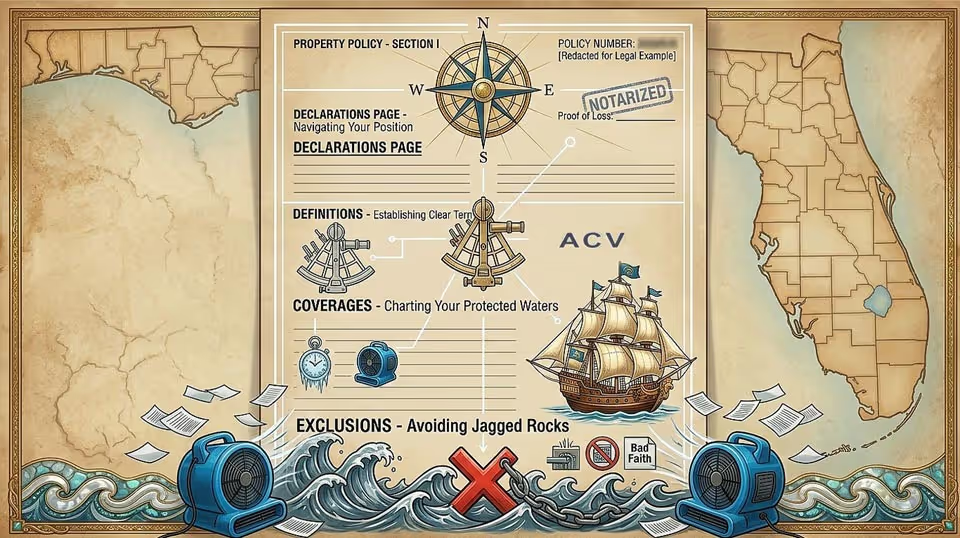
Start With the Declarations Page

The declarations page is at the beginning and the most straightforward part of your policy. Think of it as your "quick facts" section.

You'll find:

  • Coverage limits (the maximum your insurer will pay)
  • Deductibles (what you pay before coverage kicks in)
  • Property address and policy period
  • Premium amount

This gives you the big picture in plain numbers. If you're wondering "how much coverage do I have?" start here. Check it periodically to make sure your limits still make sense—especially after renovations, or if your home's value has increased.

Pay Close Attention to Exclusions (This Is Where They Get You)

If there's one section deserving your full attention, it would be exclusions. This is where insurance companies spell out what they won't cover.

Common Florida exclusions are:

  • Flood damage (requires separate flood insurance)
  • Normal wear and tear
  • Certain types of water damage
  • Mold (often limited or excluded)
  • Sinkholes (may require separate coverage)

Here's why this matters: most claim denials come down to exclusions. The insurance company points to some buried clause and says "we never covered that", even if you thought otherwise.

Read this section carefully. If something's unclear or you are unsure of whether damage is excluded, ask now. Don't wait until you're filing a claim.

Look for Endorsements and Add-Ons

Endorsements are additions or modifications to your base policy. They add coverage, remove exclusions, or increase limits for specific items.

Many Florida homeowners can have endorsements they don't realize they purchased:

  • Water backup coverage
  • Increased limits for jewelry or electronics
  • Ordinance or law coverage (i.e. building code upgrades)
  • Hurricane deductible modifications

These can make a huge difference when filing a claim. For example, water backup coverage might protect you if your sewer line backs up. This is something standard policies can often exclude.

Review any endorsements on your declarations page or in a separate section. You might be protected in ways you didn't even realize.

Understand the Conditions Section

The conditions section outlines your responsibilities as the policyholder—what insurers expect you to do to keep coverage valid.

Common conditions:

  • Report damage promptly (within specific timeframes)
  • Take reasonable steps to prevent further damage
  • Allow the insurer to inspect your property
  • Cooperate with their investigation
  • Provide requested documentation

Here's the trap: if you don't follow these conditions—even accidentally—insurers can reduce your payout or deny your claim. For example, if storm damage to your roof allows rain inside and you don't cover it with a tarp, the insurer might refuse to cover that secondary water damage because you may not have "mitigated further loss."

Read this section so you know what's expected if disaster strikes.

Definitions Matter More Than You'd Think

Most policies have a definitions section explaining what specific terms mean. This might seem boring, but it's essential.

When your policy mentions "dwelling," does that include attached garages? Detached sheds? When they say "water damage," are they talking about all water damage or just certain types?

Insurance companies use very specific definitions that determine what's covered. If there's ever a dispute, both sides refer back to these definitions. Skim this section to understand how your policy uses key terms.

When to Get Professional Help

Insurance policies are oftentimes intentionally complex. Even with this guide, you might still feel confused and that's completely normal and why property insurance attorneys exist.

We read these policies daily and know the common loopholes, variety of exclusions, and language insurers use to limit liability.

Consider getting help if you're:

  • About to file a significant claim
  • In a dispute over policy language
  • Shopping for a new policy
  • Dealing with a denial based on an exclusion you may not fully understand

An attorney can review your policy and explain it in plain English.

Knowledge Is Your Best Protection

Your insurance policy is a contract. You paid for protection(s) and you're entitled to it. But you can't effectively advocate for yourself if you don't understand what you bought.

Take time to read your policy, especially the declarations page, exclusions, and conditions. Highlight confusing parts. Make notes and then ask questions.

Because when disaster strikes, you don't want to be learning about coverage limits and exclusions for the first time while standing in your damaged home.

Need help understanding your Florida homeowners insurance policy? Contact Finman Law Group at (786) 786-9633 or visit finmanlawgroup.com to learn how we can review your policy, explain your coverage, and make sure you're protected.

We help Florida homeowners, business owners, and contractors navigate insurance disputes—and it starts with understanding what your policy actually says.

Insurance policies are written in a language that can often feel like they are specifically designed to confuse people. Pages of definitions, exclusions, and conditions can make it pretty difficult to understand what you're actually covered for. But once you know what to look for, these documents become a lot less intimidating.

Start With the Declarations Page

The declarations page is at the beginning and the most straightforward part of your policy. Think of it as your "quick facts" section.

You'll find:

  • Coverage limits (the maximum your insurer will pay)
  • Deductibles (what you pay before coverage kicks in)
  • Property address and policy period
  • Premium amount

This gives you the big picture in plain numbers. If you're wondering "how much coverage do I have?" start here. Check it periodically to make sure your limits still make sense—especially after renovations, or if your home's value has increased.

Pay Close Attention to Exclusions (This Is Where They Get You)

If there's one section deserving your full attention, it would be exclusions. This is where insurance companies spell out what they won't cover.

Common Florida exclusions are:

  • Flood damage (requires separate flood insurance)
  • Normal wear and tear
  • Certain types of water damage
  • Mold (often limited or excluded)
  • Sinkholes (may require separate coverage)

Here's why this matters: most claim denials come down to exclusions. The insurance company points to some buried clause and says "we never covered that", even if you thought otherwise.

Read this section carefully. If something's unclear or you are unsure of whether damage is excluded, ask now. Don't wait until you're filing a claim.

Look for Endorsements and Add-Ons

Endorsements are additions or modifications to your base policy. They add coverage, remove exclusions, or increase limits for specific items.

Many Florida homeowners can have endorsements they don't realize they purchased:

  • Water backup coverage
  • Increased limits for jewelry or electronics
  • Ordinance or law coverage (i.e. building code upgrades)
  • Hurricane deductible modifications

These can make a huge difference when filing a claim. For example, water backup coverage might protect you if your sewer line backs up. This is something standard policies can often exclude.

Review any endorsements on your declarations page or in a separate section. You might be protected in ways you didn't even realize.

Understand the Conditions Section

The conditions section outlines your responsibilities as the policyholder—what insurers expect you to do to keep coverage valid.

Common conditions:

  • Report damage promptly (within specific timeframes)
  • Take reasonable steps to prevent further damage
  • Allow the insurer to inspect your property
  • Cooperate with their investigation
  • Provide requested documentation

Here's the trap: if you don't follow these conditions—even accidentally—insurers can reduce your payout or deny your claim. For example, if storm damage to your roof allows rain inside and you don't cover it with a tarp, the insurer might refuse to cover that secondary water damage because you may not have "mitigated further loss."

Read this section so you know what's expected if disaster strikes.

Definitions Matter More Than You'd Think

Most policies have a definitions section explaining what specific terms mean. This might seem boring, but it's essential.

When your policy mentions "dwelling," does that include attached garages? Detached sheds? When they say "water damage," are they talking about all water damage or just certain types?

Insurance companies use very specific definitions that determine what's covered. If there's ever a dispute, both sides refer back to these definitions. Skim this section to understand how your policy uses key terms.

When to Get Professional Help

Insurance policies are oftentimes intentionally complex. Even with this guide, you might still feel confused and that's completely normal and why property insurance attorneys exist.

We read these policies daily and know the common loopholes, variety of exclusions, and language insurers use to limit liability.

Consider getting help if you're:

  • About to file a significant claim
  • In a dispute over policy language
  • Shopping for a new policy
  • Dealing with a denial based on an exclusion you may not fully understand

An attorney can review your policy and explain it in plain English.

Knowledge Is Your Best Protection

Your insurance policy is a contract. You paid for protection(s) and you're entitled to it. But you can't effectively advocate for yourself if you don't understand what you bought.

Take time to read your policy, especially the declarations page, exclusions, and conditions. Highlight confusing parts. Make notes and then ask questions.

Because when disaster strikes, you don't want to be learning about coverage limits and exclusions for the first time while standing in your damaged home.

Need help understanding your Florida homeowners insurance policy? Contact Finman Law Group at (786) 786-9633 or visit finmanlawgroup.com to learn how we can review your policy, explain your coverage, and make sure you're protected.

We help Florida homeowners, business owners, and contractors navigate insurance disputes—and it starts with understanding what your policy actually says.

Additionally Reads

Understanding Deductibles and How They Affect Your Payout

Understanding Deductibles and How They Affect Your Payout

Learn how various deductibles affect your insurance claim payout in Florida. Get expert advice from Finman Law Group to ensure a fair settlement.

How to Avoid Common Insurance Claim Pitfalls

How to Avoid Common Insurance Claim Pitfalls

Navigate insurance claims confidently. Avoid common pitfalls and secure fair settlements with guidance from Finman Law Group.

The Role of Evidence in Winning Florida Insurance Disputes

The Role of Evidence in Winning Florida Insurance Disputes

Strong evidence is crucial in Florida insurance disputes. Learn how to build your case and contact Finman Law Group for expert assistance.