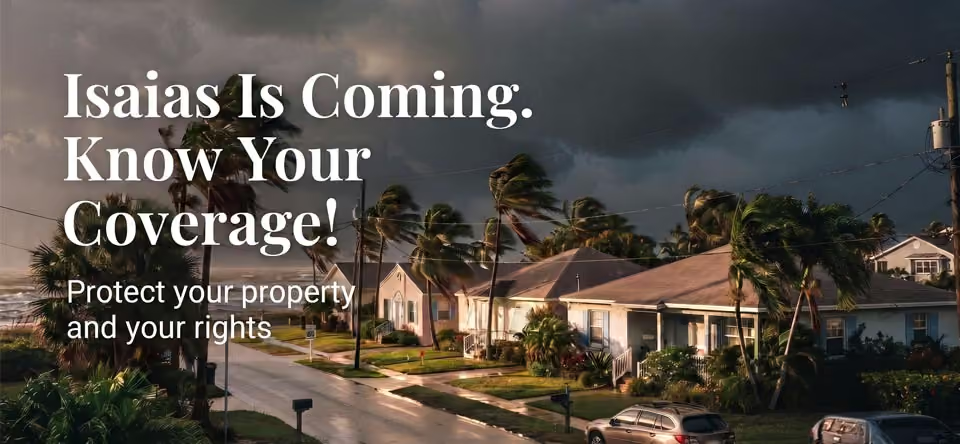
Isaias Is Headed for the Gulf Coast. Protect Your Property and Your Rights Before It Arrives

Isaias Is Headed for the Gulf Coast. Protect Your Property and Your Rights Before It Arrives

Article content

Tropical Storm Isaias formed in the southwestern Gulf of Mexico on Wednesday morning, and forecasters expect it to become the first hurricane of the 2026 Atlantic season as soon as Thursday. It's forecast to turn north and make landfall late Friday night or early Saturday somewhere between southeast Louisiana and the western Florida Panhandle, with Mobile Bay, Pensacola, and Destin all inside the forecast cone.

If you're in the Panhandle, this is the time to put your hurricane plan in motion. Further south, the Tampa Bay area and much of the Florida peninsula could still see 2 to 4 inches of rain and dangerous rip currents, even without a direct hit. In Texas, Houston-area forecasters expect the storm to stay well to the east, with only a slight chance of an outer rain band reaching Southeast Texas.

Wherever you are along the Gulf, a few hours of preparation this week can save you months of headaches if your property is damaged.

Document everything now

Walk through your home or business with your phone and record video of every room. Get close-ups of the roof, ceilings, flooring, HVAC equipment, inventory, and anything of value. Save receipts, appraisals, and leases to a secure cloud account. If you end up disputing a claim, proof of what your property looked like before the storm is often the strongest evidence you have.

Read your policy before you need it

Look at your named-storm or hurricane deductible, which is often a percentage of your dwelling coverage rather than a flat dollar amount. Check for flood exclusions. Standard homeowners and commercial property policies generally don't cover rising water, which needs separate coverage through the National Flood Insurance Program or a private flood carrier. Business owners should also confirm whether their policy includes business interruption and civil authority coverage, and what it takes to trigger them.

Be careful what you sign after the storm

Contractors and remediation companies can show up fast after a hurricane. Read every contract before you sign it, and be wary of anyone who asks for a large payment upfront, pushes you to sign over your insurance benefits, or won't provide written lien releases. If something feels rushed, it probably is.

We're here if you need us

Finman Law Group helps homeowners and businesses in Florida and Texas with property insurance disputes, contract reviews, and storm recovery. If you have questions about your coverage, or a contractor hands you an agreement you're not sure about, call us for a free evaluation before you sign. In the meantime, follow your local forecast and stay safe.

Tropical Storm Isaias formed in the southwestern Gulf of Mexico on Wednesday morning, and forecasters expect it to become the first hurricane of the 2026 Atlantic season as soon as Thursday. It's forecast to turn north and make landfall late Friday night or early Saturday somewhere between southeast Louisiana and the western Florida Panhandle, with Mobile Bay, Pensacola, and Destin all inside the forecast cone.

If you're in the Panhandle, this is the time to put your hurricane plan in motion. Further south, the Tampa Bay area and much of the Florida peninsula could still see 2 to 4 inches of rain and dangerous rip currents, even without a direct hit. In Texas, Houston-area forecasters expect the storm to stay well to the east, with only a slight chance of an outer rain band reaching Southeast Texas.

Wherever you are along the Gulf, a few hours of preparation this week can save you months of headaches if your property is damaged.

Document everything now

Walk through your home or business with your phone and record video of every room. Get close-ups of the roof, ceilings, flooring, HVAC equipment, inventory, and anything of value. Save receipts, appraisals, and leases to a secure cloud account. If you end up disputing a claim, proof of what your property looked like before the storm is often the strongest evidence you have.

Read your policy before you need it

Look at your named-storm or hurricane deductible, which is often a percentage of your dwelling coverage rather than a flat dollar amount. Check for flood exclusions. Standard homeowners and commercial property policies generally don't cover rising water, which needs separate coverage through the National Flood Insurance Program or a private flood carrier. Business owners should also confirm whether their policy includes business interruption and civil authority coverage, and what it takes to trigger them.

Be careful what you sign after the storm

Contractors and remediation companies can show up fast after a hurricane. Read every contract before you sign it, and be wary of anyone who asks for a large payment upfront, pushes you to sign over your insurance benefits, or won't provide written lien releases. If something feels rushed, it probably is.

We're here if you need us

Finman Law Group helps homeowners and businesses in Florida and Texas with property insurance disputes, contract reviews, and storm recovery. If you have questions about your coverage, or a contractor hands you an agreement you're not sure about, call us for a free evaluation before you sign. In the meantime, follow your local forecast and stay safe.

Additionally Reads

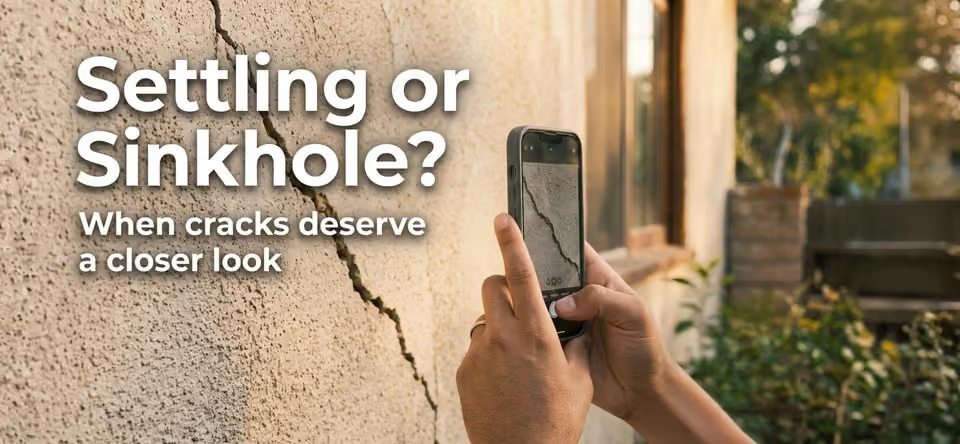
Cracks in Your Florida Home and How to Tell Normal Settling From a Possible Sinkhole

Cracks in Your Florida Home and How to Tell Normal Settling From a Possible Sinkhole

Seeing cracks in your Florida home? Learn the difference between normal settling and possible sinkhole damage and why it matters for a claim. Free evaluation.

Bicycle Accidents in Tampa and What Injured Cyclists Should Know After a Crash

Bicycle Accidents in Tampa and What Injured Cyclists Should Know After a Crash

Injured in a bicycle accident in Tampa? Learn what cyclists should do after a crash and what evidence matters. Finman Law Group. Free evaluation.

When the Insurance Company Says Your Damage Is Below the Deductible

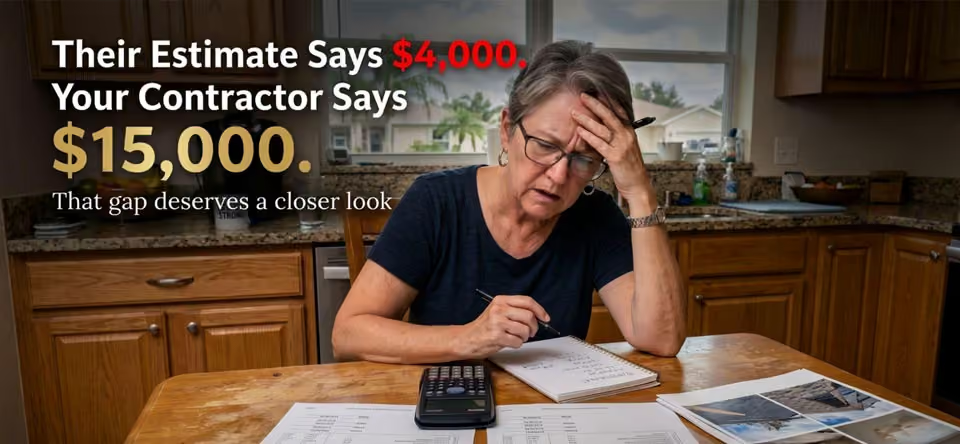
When the Insurance Company Says Your Damage Is Below the Deductible

Insurance says your Florida property damage is below the deductible? Learn what that means and what homeowners should review. Finman Law Group. Free evaluation.