When a Dangerous Sidewalk Causes a Fall in Tampa

When a Dangerous Sidewalk Causes a Fall in Tampa

Article content

Cracked pavement and raised slabs create real hazards, and real questions about responsibility

Sidewalks are part of everyday life in Tampa. People use them to walk through neighborhoods, reach shops and restaurants, get to transit stops, and enjoy the all the beautiful parks in the city. The expectation is simple, the walking surface should be reasonably maintained.

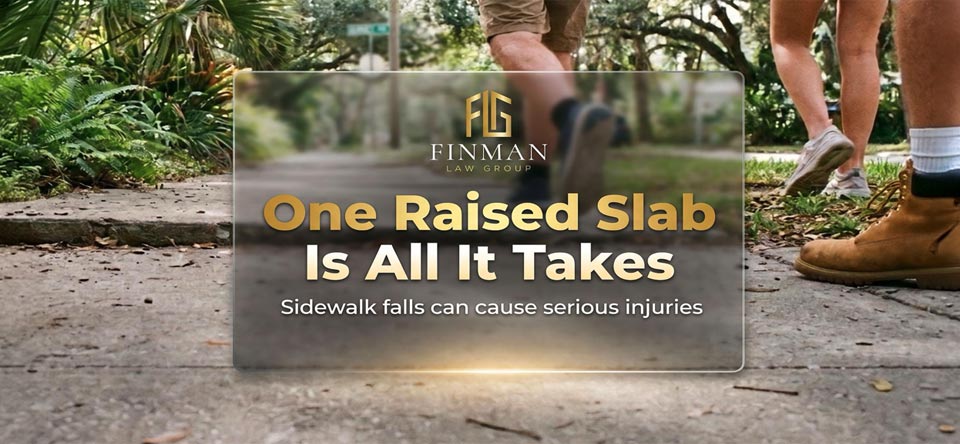
A damaged sidewalk can interrupt that routine in a single moment. A raised concrete slab, broken pavement, loose pavers, or an unexpected hole can send someone to the ground, and the result can be a sprained ankle, broken wrist, knee injury, or something more serious involving a person’s head or back. However, the fact that a fall happened on a sidewalk doesn't automatically establish liability. The condition and the circumstances shape everything that follows.

The Conditions That Commonly Cause Falls

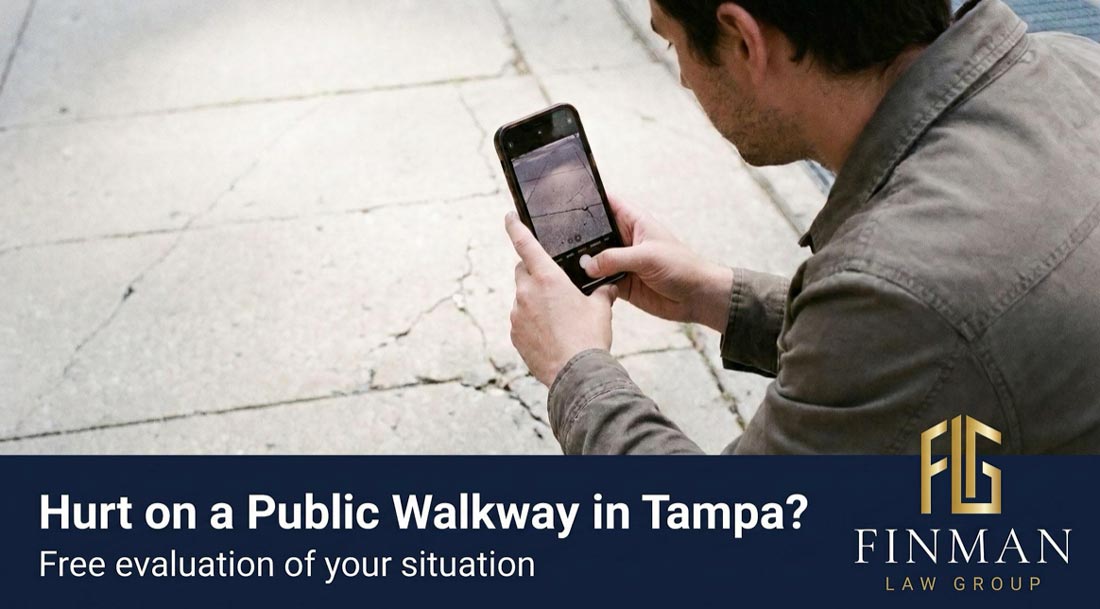
Sidewalk problems develop gradually or appear suddenly after construction, tree-root growth, heavy rain, or other changes. Common examples include concrete panels that have shifted, cracked or crumbling pavement, tree roots lifting sections of walkway, loose bricks or pavers, poorly marked construction areas, and standing water or slippery growth. Lighting and visibility play their part too. A defect that's easy to spot in bright daylight can sometimes be nearly invisible at night or in one of Florida’s dramatic downpours.
Who Is Responsible for a Sidewalk

This is where these cases get complicated. A walkway may run beside a public road, in front of a private business, through a residential development, or across property maintained by a homeowners association, and different parties can carry maintenance duties depending on the location and the applicable rules.

When a city or other public entity is involved, claims can be subject to special notice requirements, procedural rules, and deadlines. In other situations, a private property owner, management company, contractor, or another party may hold the responsibility. Ownership, control, maintenance arrangements, and the applicable law all have to be considered together, and the same type of defect can be treated differently depending on whether it sits on public or private property.

The Details of the Fall Carry Real Weight

Understanding a sidewalk accident takes more than the fact that someone fell. The exact location, the condition of the surface, the height or depth of the defect, the lighting, the weather, and the foot traffic at the time can all be relevant.

People who've navigated these situations often point to the same things: photographs from several angles showing the defect and its surroundings, witness observations, reports made to a property manager or public agency, and any available security footage. Medical records document the injuries and treatment. Anyone who's been hurt should get appropriate medical attention promptly, especially with pain, swelling, difficulty walking, dizziness, or a possible head injury.

Why Some Falls Are More Serious Than They First Appear

Plenty of people try to walk off a fall, particularly when the initial pain seems manageable. But symptoms can develop or intensify later. A wrist injury makes everyday tasks difficult, a knee or ankle injury limits mobility, and a head injury can call for prompt evaluation even without an obvious external wound. Recovery can mean appointments, imaging, therapy, medication, and time away from work, and the effect on daily life varies from person to person.

Looking at the Full Circumstances

Sidewalk injury cases often turn on the condition of the walkway, who was responsible for it, whether the hazard was known or should have been discovered, and which rules apply to that location. Those aren't questions you need to untangle on your own. Finman Law Group handles personal injury cases, including premises liability situations, and can review the circumstances and explain how these questions get evaluated.

If a dangerous walking surface in the Tampa area caused your fall, contact Finman Law Group for a free evaluation of your case.‍

Cracked pavement and raised slabs create real hazards, and real questions about responsibility

Sidewalks are part of everyday life in Tampa. People use them to walk through neighborhoods, reach shops and restaurants, get to transit stops, and enjoy the all the beautiful parks in the city. The expectation is simple, the walking surface should be reasonably maintained.

A damaged sidewalk can interrupt that routine in a single moment. A raised concrete slab, broken pavement, loose pavers, or an unexpected hole can send someone to the ground, and the result can be a sprained ankle, broken wrist, knee injury, or something more serious involving a person’s head or back. However, the fact that a fall happened on a sidewalk doesn't automatically establish liability. The condition and the circumstances shape everything that follows.

The Conditions That Commonly Cause Falls

Sidewalk problems develop gradually or appear suddenly after construction, tree-root growth, heavy rain, or other changes. Common examples include concrete panels that have shifted, cracked or crumbling pavement, tree roots lifting sections of walkway, loose bricks or pavers, poorly marked construction areas, and standing water or slippery growth. Lighting and visibility play their part too. A defect that's easy to spot in bright daylight can sometimes be nearly invisible at night or in one of Florida’s dramatic downpours.

Who Is Responsible for a Sidewalk

This is where these cases get complicated. A walkway may run beside a public road, in front of a private business, through a residential development, or across property maintained by a homeowners association, and different parties can carry maintenance duties depending on the location and the applicable rules.

When a city or other public entity is involved, claims can be subject to special notice requirements, procedural rules, and deadlines. In other situations, a private property owner, management company, contractor, or another party may hold the responsibility. Ownership, control, maintenance arrangements, and the applicable law all have to be considered together, and the same type of defect can be treated differently depending on whether it sits on public or private property.

The Details of the Fall Carry Real Weight

Understanding a sidewalk accident takes more than the fact that someone fell. The exact location, the condition of the surface, the height or depth of the defect, the lighting, the weather, and the foot traffic at the time can all be relevant.

People who've navigated these situations often point to the same things: photographs from several angles showing the defect and its surroundings, witness observations, reports made to a property manager or public agency, and any available security footage. Medical records document the injuries and treatment. Anyone who's been hurt should get appropriate medical attention promptly, especially with pain, swelling, difficulty walking, dizziness, or a possible head injury.

Why Some Falls Are More Serious Than They First Appear

Plenty of people try to walk off a fall, particularly when the initial pain seems manageable. But symptoms can develop or intensify later. A wrist injury makes everyday tasks difficult, a knee or ankle injury limits mobility, and a head injury can call for prompt evaluation even without an obvious external wound. Recovery can mean appointments, imaging, therapy, medication, and time away from work, and the effect on daily life varies from person to person.

Looking at the Full Circumstances

Sidewalk injury cases often turn on the condition of the walkway, who was responsible for it, whether the hazard was known or should have been discovered, and which rules apply to that location. Those aren't questions you need to untangle on your own. Finman Law Group handles personal injury cases, including premises liability situations, and can review the circumstances and explain how these questions get evaluated.

If a dangerous walking surface in the Tampa area caused your fall, contact Finman Law Group for a free evaluation of your case.‍

Additionally Reads

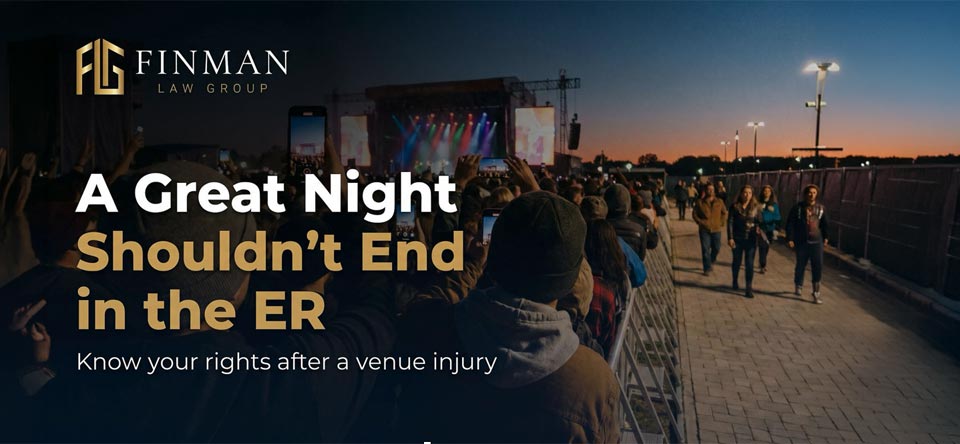
Injured at a Concert or Live Event in Houston

Injured at a Concert or Live Event in Houston

How unsafe conditions at Houston concerts and live events can lead to injury claims, including crowd hazards, poor lighting, and unsecured equipment.
When a Small Part Causes Big Property Damage

When a Small Part Causes Big Property Damage

How defective building components cause property damage, why responsibility gets disputed, and what makes these claims complicated for property owners.
When a Rental Property Becomes Unsafe

When a Rental Property Becomes Unsafe

Learn how unsafe apartment conditions can lead to injury claims and why maintenance records, notice, and control of the property shape the answer.