Protecting Your Property Rights in Post-Storm Florida

Protecting Your Property Rights in Post-Storm Florida

Article content

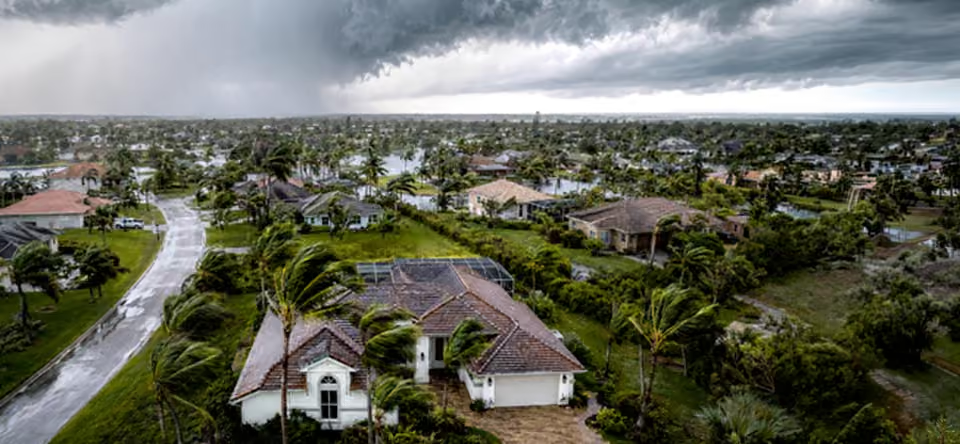
A major storm can do a lot of damage in a very short period of time, but some of the hardest problems to deal with don't show up on the roof or in the walls. They show up in the paperwork. Title complications, boundary disputes, contractor conflicts, and insurance battles are all very common in the weeks and months after a significant weather event, and homeowners who aren't prepared for them, often end up in a less favorable position than the storm itself had created.

Understanding what can go wrong is the first step toward making sure it doesn't.

How storms create legal complications

Most homeowners think about physical damage after a storm. What they don't always anticipate is the chain of legal and administrative issues that can follow. Destroyed structures can raise questions about property boundaries. Fallen trees can spark neighbor disputes. Emergency repairs done without permits can create title problems that surface years later when it's time to sell.

Insurance companies add another layer of complexity. Disputes over whether damage was pre-existing, whether repairs were done correctly, or whether coverage applies at all are routine after major weather events in Florida — and they can delay or significantly reduce the money a homeowner is entitled to.

Why documentation is a homeowner's strongest tool

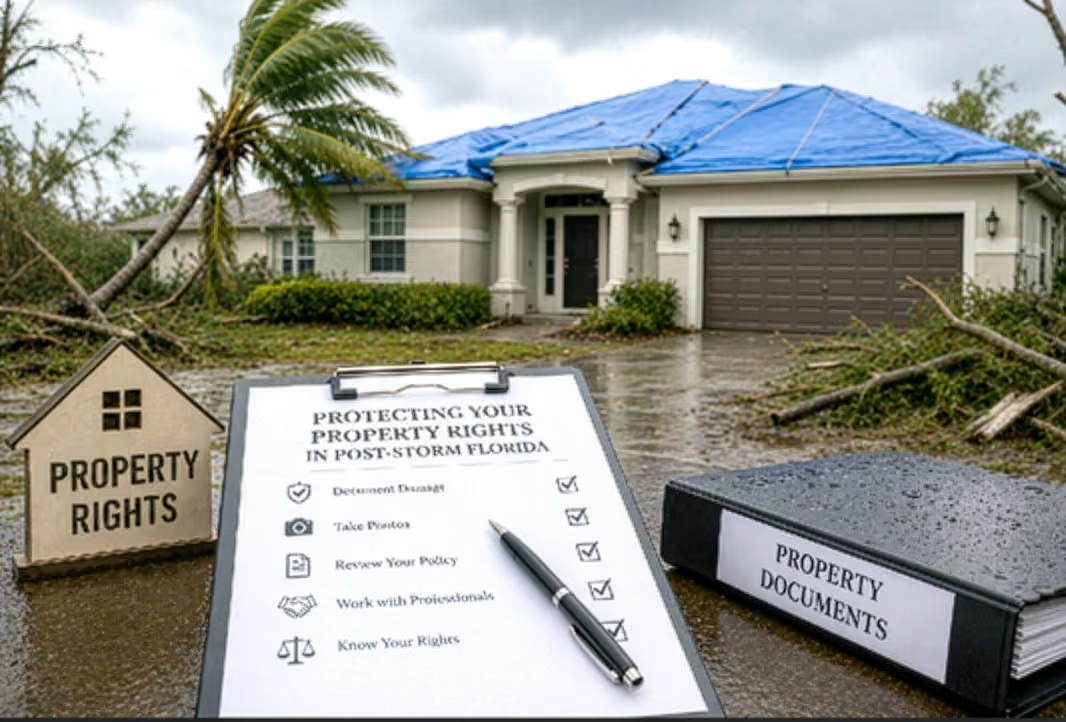
In almost every post-storm dispute, the homeowner with better records wins. That means starting the documentation process immediately after a storm, before anything is cleaned up or repaired. The basics every homeowner should have on file:

  • Photos and videos of all damage, including outbuildings, fencing, and landscaping
  • Receipts for any temporary repairs, such as tarping or board-up work
  • Written estimates from licensed contractors before any work begins
  • All written communication with insurance adjusters and contractors
  • Copies of any permits pulled for repair work

This paper trail doesn't just protect against insurance disputes. It protects against contractor conflicts, neighbor claims, and any future questions about the condition of the property.

When insurance companies push back

Florida homeowners file a lot of storm claims, and insurers scrutinize them carefully. Common arguments include claims that damage was pre-existing, that the homeowner contributed to the loss through inadequate maintenance, or that certain repairs weren't covered under the policy terms. These disputes can often drag on for months and result in payouts far below what the damage actually costs. Having legal guidance early in the process, before signing anything or accepting any offers, can truly make a significant difference in the outcome.
What a property rights attorney can do

A property rights attorney looks at the full picture, not just the insurance claim. That includes reviewing the title to identify any risks created by storm damage, helping resolve disputes with neighbors over shared property lines or fallen trees, and making sure any contractors working on the property are operating within Florida law.

If an insurance company is acting in bad faith, or are making unfair decisions, an attorney can challenge those decisions and prevent homeowners from accepting settlements that don't reflect the true cost of what they lost.

Recovery is hard enough without legal complications

Getting a home back to normal after a major storm takes time, money, and energy. Legal disputes and insurance battles shouldn't have to be part of that equation. Protecting property rights early — through solid documentation and the right legal support — keeps the focus where it belongs, on the actual recovery.

If a Florida storm has created property disputes or insurance complications for you, Finman Law Group can help you understand your rights. Contact us today for a consultation and visit finmanlawgroup.com to learn more.

A major storm can do a lot of damage in a very short period of time, but some of the hardest problems to deal with don't show up on the roof or in the walls. They show up in the paperwork. Title complications, boundary disputes, contractor conflicts, and insurance battles are all very common in the weeks and months after a significant weather event, and homeowners who aren't prepared for them, often end up in a less favorable position than the storm itself had created.

Understanding what can go wrong is the first step toward making sure it doesn't.

How storms create legal complications

Most homeowners think about physical damage after a storm. What they don't always anticipate is the chain of legal and administrative issues that can follow. Destroyed structures can raise questions about property boundaries. Fallen trees can spark neighbor disputes. Emergency repairs done without permits can create title problems that surface years later when it's time to sell.

Insurance companies add another layer of complexity. Disputes over whether damage was pre-existing, whether repairs were done correctly, or whether coverage applies at all are routine after major weather events in Florida — and they can delay or significantly reduce the money a homeowner is entitled to.

Why documentation is a homeowner's strongest tool

In almost every post-storm dispute, the homeowner with better records wins. That means starting the documentation process immediately after a storm, before anything is cleaned up or repaired. The basics every homeowner should have on file:

  • Photos and videos of all damage, including outbuildings, fencing, and landscaping
  • Receipts for any temporary repairs, such as tarping or board-up work
  • Written estimates from licensed contractors before any work begins
  • All written communication with insurance adjusters and contractors
  • Copies of any permits pulled for repair work

This paper trail doesn't just protect against insurance disputes. It protects against contractor conflicts, neighbor claims, and any future questions about the condition of the property.

When insurance companies push back

Florida homeowners file a lot of storm claims, and insurers scrutinize them carefully. Common arguments include claims that damage was pre-existing, that the homeowner contributed to the loss through inadequate maintenance, or that certain repairs weren't covered under the policy terms. These disputes can often drag on for months and result in payouts far below what the damage actually costs. Having legal guidance early in the process, before signing anything or accepting any offers, can truly make a significant difference in the outcome.

What a property rights attorney can do

A property rights attorney looks at the full picture, not just the insurance claim. That includes reviewing the title to identify any risks created by storm damage, helping resolve disputes with neighbors over shared property lines or fallen trees, and making sure any contractors working on the property are operating within Florida law.

If an insurance company is acting in bad faith, or are making unfair decisions, an attorney can challenge those decisions and prevent homeowners from accepting settlements that don't reflect the true cost of what they lost.

Recovery is hard enough without legal complications

Getting a home back to normal after a major storm takes time, money, and energy. Legal disputes and insurance battles shouldn't have to be part of that equation. Protecting property rights early — through solid documentation and the right legal support — keeps the focus where it belongs, on the actual recovery.

If a Florida storm has created property disputes or insurance complications for you, Finman Law Group can help you understand your rights. Contact us today for a consultation and visit finmanlawgroup.com to learn more.

Additionally Reads

Bicycle Accidents in Florida and Texas: What Every Injured Cyclist Should Know

Bicycle Accidents in Florida and Texas: What Every Injured Cyclist Should Know

Injured in a Florida or Texas bike accident? Learn what steps to take next and explore your compensation options with expert help from Finman Law Group.

What to Do When Your Insurance Company Denies Your Roof Claim

What to Do When Your Insurance Company Denies Your Roof Claim

Denied roof claim? It's not the final word. Learn how to challenge it effectively and protect your home with expert guidance from Finman Law Group.

Pedestrian Injury Claims in Florida and Texas. What Injured Victims Need to Know

Pedestrian Injury Claims in Florida and Texas. What Injured Victims Need to Know

Learn the essentials of pedestrian injury claims in Florida and Texas. Navigate complex legal systems and protect your rights. Get expert help today.