Safeguarding Your Property and Grounds Ahead of Storm Season

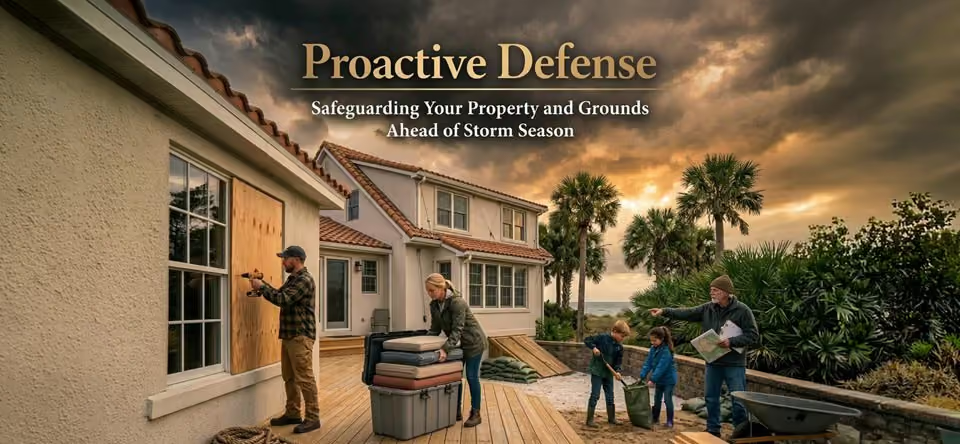
Safeguarding Your Property and Grounds Ahead of Storm Season

Article content

When people think about storm prep, they usually think about what's inside. The roof overhead. The windows. The contents of the house or office. That's where most of the attention goes, and understandably so.

But for a lot of property owners, the real liability isn't inside the building at all. It's outside. Trees, parking lots, drainage systems, perimeter walls, signage. These elements can cause just as much damage as a structural failure, and they can expose you to legal claims that your property insurance may not fully cover.

Whether you own a home in a residential neighborhood or a commercial complex off the highway, taking care of your exterior grounds isn't just good property management. Under Florida law, it's a legal obligation.

The "Act of God" Defense Has Limits

Florida law generally treats hurricane damage as an "act of God" — meaning no party is automatically liable just because a storm caused destruction. But this protection disappears the moment negligence enters the picture.

Here's a real example of how that plays out: a property owner has a large oak tree on their lot. It's visibly dying. Neighbors have mentioned it. But the owner never calls an arborist, never documents its condition, and never takes action. Then a Category 2 storm rolls through and that tree falls directly onto a neighboring structure, injuring someone inside.

That property owner is no longer hiding behind an act of God defense. They had notice of a hazard and failed to address it. That's negligence and it's the kind of case that ends in a lawsuit.

The same logic applies to commercial property owners, landlords, and property managers. Florida's premises liability standards are clear: if you knew about a hazard and didn't act, you can be held responsible for the consequences.

What Proactive Grounds Defense Actually Looks Like

Get a professional arborist on your property. Don't just eyeball your trees and hope for the best. Hire a certified arborist to inspect any large trees or mature landscaping before storm season. Keep their written reports and invoices. If a tree does fall and a dispute arises, that documentation is your evidence that you took your responsibilities seriously.

Clear what can fly. Walk your grounds and identify everything that becomes a projectile in high winds. Loose signage, unanchored outdoor furniture, unsecured equipment, full dumpsters — all of it needs to be secured or removed before a storm approaches. This is especially critical for commercial properties with large exterior features like awnings, satellite equipment, or construction materials.

Audit your drainage infrastructure. Clogged drainage is one of the most underestimated sources of storm-related liability. If your retaining walls, swales, catch basins, or private drainage systems are backed up with debris, runoff during a storm can flood adjacent properties. That flooding can lead to damage claims, insurance disputes, and in some cases, litigation with your neighbors or the municipality.

Clear your drainage systems before storm season. Document the maintenance. If a neighboring property floods, you want proof that your infrastructure was properly maintained.

Why Documentation Is Your Best Legal Defense

Whether you're a homeowner or a commercial property owner, the through-line in all of this is documentation. Florida's legal system rewards property owners who can show they took reasonable steps to prevent foreseeable harm. Arborist reports, contractor receipts, maintenance logs, timestamped inspection photos — all of it builds the record you'll need if a dispute arises.

Don't wait until you're defending a lawsuit to wish you had kept better records. Build the habit now, before the season starts.

Don't Leave Your Legal Exposure Unaddressed At Finman Law Group, we help both residential and commercial property owners in Florida understand their grounds-related liability before storm season arrives. From premises liability reviews to proactive legal planning, our team is here to protect what matters most.

Contact us today to schedule a consultation and make sure your entire property — inside and out — is legally protected.

When people think about storm prep, they usually think about what's inside. The roof overhead. The windows. The contents of the house or office. That's where most of the attention goes, and understandably so.

But for a lot of property owners, the real liability isn't inside the building at all. It's outside. Trees, parking lots, drainage systems, perimeter walls, signage. These elements can cause just as much damage as a structural failure, and they can expose you to legal claims that your property insurance may not fully cover.

Whether you own a home in a residential neighborhood or a commercial complex off the highway, taking care of your exterior grounds isn't just good property management. Under Florida law, it's a legal obligation.

The "Act of God" Defense Has Limits

Florida law generally treats hurricane damage as an "act of God" — meaning no party is automatically liable just because a storm caused destruction. But this protection disappears the moment negligence enters the picture.

Here's a real example of how that plays out: a property owner has a large oak tree on their lot. It's visibly dying. Neighbors have mentioned it. But the owner never calls an arborist, never documents its condition, and never takes action. Then a Category 2 storm rolls through and that tree falls directly onto a neighboring structure, injuring someone inside.

That property owner is no longer hiding behind an act of God defense. They had notice of a hazard and failed to address it. That's negligence and it's the kind of case that ends in a lawsuit.

The same logic applies to commercial property owners, landlords, and property managers. Florida's premises liability standards are clear: if you knew about a hazard and didn't act, you can be held responsible for the consequences.

What Proactive Grounds Defense Actually Looks Like

Get a professional arborist on your property. Don't just eyeball your trees and hope for the best. Hire a certified arborist to inspect any large trees or mature landscaping before storm season. Keep their written reports and invoices. If a tree does fall and a dispute arises, that documentation is your evidence that you took your responsibilities seriously.

Clear what can fly. Walk your grounds and identify everything that becomes a projectile in high winds. Loose signage, unanchored outdoor furniture, unsecured equipment, full dumpsters — all of it needs to be secured or removed before a storm approaches. This is especially critical for commercial properties with large exterior features like awnings, satellite equipment, or construction materials.

Audit your drainage infrastructure. Clogged drainage is one of the most underestimated sources of storm-related liability. If your retaining walls, swales, catch basins, or private drainage systems are backed up with debris, runoff during a storm can flood adjacent properties. That flooding can lead to damage claims, insurance disputes, and in some cases, litigation with your neighbors or the municipality.

Clear your drainage systems before storm season. Document the maintenance. If a neighboring property floods, you want proof that your infrastructure was properly maintained.

Why Documentation Is Your Best Legal Defense

Whether you're a homeowner or a commercial property owner, the through-line in all of this is documentation. Florida's legal system rewards property owners who can show they took reasonable steps to prevent foreseeable harm. Arborist reports, contractor receipts, maintenance logs, timestamped inspection photos — all of it builds the record you'll need if a dispute arises.

Don't wait until you're defending a lawsuit to wish you had kept better records. Build the habit now, before the season starts.

Don't Leave Your Legal Exposure Unaddressed At Finman Law Group, we help both residential and commercial property owners in Florida understand their grounds-related liability before storm season arrives. From premises liability reviews to proactive legal planning, our team is here to protect what matters most.

Contact us today to schedule a consultation and make sure your entire property — inside and out — is legally protected.

Additionally Reads

Commercial Legal Readiness: Protecting Your Property Rights as a Florida Business Owner

Commercial Legal Readiness: Protecting Your Property Rights as a Florida Business Owner

Safeguard your Florida business from storms with our commercial legal readiness guide. Understand your policy, review leases, and secure vendors. Contact us for peace of mind.

The Legal Checklist: Protecting Your Property Rights Ahead of Florida's Storm Season

The Legal Checklist: Protecting Your Property Rights Ahead of Florida's Storm Season

Protect your property rights this Florida storm season with our legal checklist. Learn about filing deadlines, document preparation, and avoiding scams. Contact us today!

Bicycle Accidents in Florida and Texas: What Every Injured Cyclist Should Know

Bicycle Accidents in Florida and Texas: What Every Injured Cyclist Should Know

Injured in a Florida or Texas bike accident? Learn what steps to take next and explore your compensation options with expert help from Finman Law Group.