

Topic:
Property & Casualty

Article content
The multi-day storm that moved across South Florida in mid-November brought exceptional rainfall to parts of Broward County and nearby communities. Preliminary National Weather Service totals for November 17 and 18 included 16.38 inches near Plantation, 13.79 inches in Hollywood, and 12.17 inches in Fort Lauderdale, and local reporting described flooded streets, water reaching homes, and businesses dealing with inundated spaces.
For homeowners in Coral Gables, Miami Lakes, Miami Gardens, Miramar, Hollywood, Fort Lauderdale, Hallandale Beach, Plantation, Sunrise, Tamarac, Coral Springs, Coconut Creek, and Lauderhill, the event was a reminder that a property can suffer serious damage even when the storm itself passes quickly. Water can affect flooring, baseboards, drywall, cabinets, insulation, electrical components, and personal belongings, and while some damage shows up immediately, other problems only surface as materials dry or odors develop.
One of the most important questions in a water damage claim is how the water entered the property. Water rising from an overflowing body of water or surface runoff may be treated very differently from rain entering through a storm-created opening in a roof or wall, or from a sudden plumbing failure.
Many standard homeowners policies exclude damage caused by flooding as the policy defines it, while separate flood insurance may provide coverage under its own terms. Other forms of accidental water damage get treated differently again. The policy wording, endorsements, exclusions, cause of loss, and sequence of events all have to be read together, which is why coverage can rarely be determined from a phrase like “storm water came inside.” Homeowners shouldn’t assume every water loss is covered, and they shouldn’t assume every loss involving rain is excluded either.
After water enters a home, the visible wet area rarely represents the full loss. Moisture travels under flooring, behind baseboards, into wall cavities, beneath cabinets, and into insulation. A ceiling stain can point to a roof or building-envelope issue, while swollen flooring or separating trim can reveal moisture that spread well past the original entry point. Personal property gets hit too: furniture, rugs, electronics, clothing, and stored items may all need evaluation, and in some homes there’s the added question of whether rooms can safely be used while repairs are underway. A claim assessment should consider the full reported loss, not just the rooms where the water was obvious.

People who navigate these claims well tend to build a record early, including:
An insurer’s estimate doesn’t always describe every affected area or repair item. Differences arise over the scope of work, quantities, material costs, depreciation, matching, and whether damage relates to the reported event, and those differences deserve to be evaluated against the policy and the evidence rather than assumed correct or incorrect. Because wet materials deteriorate, reasonable steps to protect the home from further damage are important too, with records kept of each one.
A claim gets harder when the parties disagree about the source of the water, the extent of the damage, or the policy provisions that apply. A denial letter or payment estimate deserves a careful read, since it usually identifies the specific exclusions, limitations, or disputes involved, and the full policy with its endorsements is essential to evaluating the insurer’s position. A disagreement doesn’t automatically mean the insurer acted improperly. At the same time, a homeowner doesn’t have to assume the initial assessment captured every part of a covered loss.
Finman Law Group handles property insurance disputes and can help homeowners understand the legal issues around delayed, denied, or underpaid claims. For a storm-related water loss, that can mean reviewing the insurer’s position, considering the relevant policy language, and evaluating whether the handling of the claim raises a legal dispute. The firm’s role is the legal side of the insurance claim, distinct from water extraction or restoration work, and that distinction is exactly why a disputed claim deserves its own review. Every loss is different, especially when heavy rainfall, surface flooding, and roof leaks overlap the way they did this month.
If your South Florida water damage claim has been delayed, denied, or underpaid, contact Finman Law Group for a free evaluation of your situation.






What Tampa workers should know after a workplace injury, from workers’ compensation benefits to third-party claims when another company’s negligence played a role.
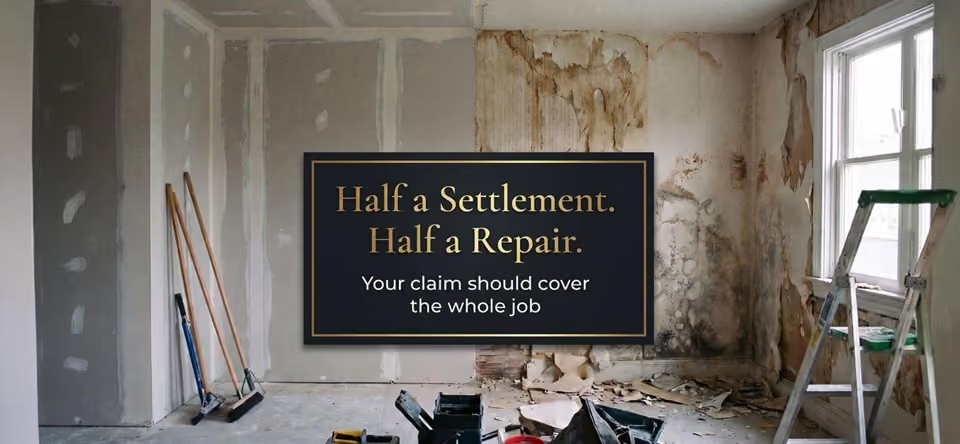
Why property insurance claims come back underpaid across Miami-Dade, from Brickell and Miami Beach condos to homes in Hialeah, Kendall, and Homestead, and when a legal review of your settlement helps.

Learn what injured motorcycle riders in Orlando and Central Florida should know, from common crash causes on I-4 and busy tourist corridors to liability, insurance coverage, and injury claims.