What Florida Property Owners Should Document After Hurricane Isaias

What Florida Property Owners Should Document After Hurricane Isaias

Article content

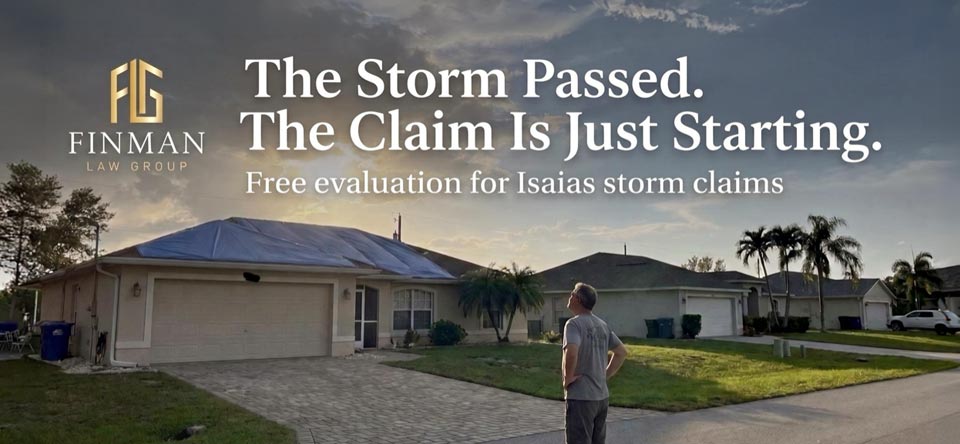
When a major storm passes, careful documentation and timely decisions help homeowners manage the claim that follows

After a hurricane, the first priority is safety, full stop. But once officials say it's safe to return and inspect your property, the next challenge begins. Understanding the damage. Roof coverings may be missing, water may have entered through damaged openings, fences and screens may be down, and interior stains may keep appearing days after the rain has stopped. For Florida property owners affected by Hurricane Isaias, the days ahead come down to three things. Document what you can safely observe, prevent additional damage where it's practical, and communicate with your insurer carefully, without assuming every loss is covered or that any loss isn't. Coverage depends on the policy, the cause of the damage, and the facts, and the record you build now shapes all of it.

Start With Safety and a Clear Record

Please don't climb onto a damaged roof, enter floodwater that may hide electrical hazards, or walk through a structure that may be unstable. Follow local emergency instructions and leave dangerous inspections to qualified professionals. Where access is safe, build your record deliberately. Take wide photos of each affected area, then closer shots of the specific damage, and keep the originals with their dates. Make a room-by-room list of damaged items, including approximate age, brand, model, and purchase information when you have it. Receipts, warranties, and older photos of your home help establish what existed before the storm, and that before picture is worth more than most people realize.

Separate What You See From What You Assume

Here's a distinction that carries enormous weight in storm claims. A ceiling stain tells you water got in, but it doesn't tell you how, and wind damage, rain entering through an opening, and rising floodwater can be treated very differently under a policy. Flood damage may involve a separate policy entirely. So record what you actually observe, note when you discovered it, and let qualified professionals document the cause rather than guessing at it yourself. Review your declarations page, your hurricane or windstorm deductible, and your reporting instructions, because knowing what your policy actually says beats assuming every time.

Protect the Property, and Keep Every Receipt

Policies commonly require reasonable steps to protect the property from further damage, and those steps also protect your family. Depending on the situation, that might mean:

  • Arranging a roof tarp or boarding a broken window through qualified help, never dangerous do-it-yourself repairs
  • Moving belongings away from water and arranging emergency water removal where it's needed

Save the invoices, receipts, contracts, and photos showing conditions before and after the temporary work, and where practical, photograph damaged materials before discarding them. Emergency mitigation and permanent repairs are different things, so keep their records separate and ask your insurer how it wants the work documented.

Track the Claim Closely, Because Every Detail Counts

Keep a simple log of every call, email, inspection, and document request, with dates, names, and promised follow-ups. Ask for important decisions and explanations in writing. If an estimate seems incomplete, compare its line items against your contractor or restoration documentation, and photograph any additional damage discovered during repairs. Initial estimates sometimes miss affected rooms, hidden moisture, or the costs of reaching concealed damage, and a specific, documented comparison is how those gaps get closed.

When the Claim Becomes the Struggle

Some Isaias claims will go smoothly, and we hope yours is one of them. But if your claim gets delayed, underpaid, or partially denied, ask for the specific policy language and reasoning behind the decision, and don't rely on generic online deadlines, because Florida's rules and timelines can change. That's the moment when experienced eyes on your policy, the estimate, and your evidence can genuinely change the trajectory. Storm recovery is hard enough without fighting the paperwork alone, and you don't have to.

Did Hurricane Isaias damage your Florida home or business, and the claim is getting difficult to navigate? Finman Law Group can review the situation and help you understand your options. Contact us today for a free evaluation.‍

When a major storm passes, careful documentation and timely decisions help homeowners manage the claim that follows

After a hurricane, the first priority is safety, full stop. But once officials say it's safe to return and inspect your property, the next challenge begins. Understanding the damage. Roof coverings may be missing, water may have entered through damaged openings, fences and screens may be down, and interior stains may keep appearing days after the rain has stopped. For Florida property owners affected by Hurricane Isaias, the days ahead come down to three things. Document what you can safely observe, prevent additional damage where it's practical, and communicate with your insurer carefully, without assuming every loss is covered or that any loss isn't. Coverage depends on the policy, the cause of the damage, and the facts, and the record you build now shapes all of it.

Start With Safety and a Clear Record

Please don't climb onto a damaged roof, enter floodwater that may hide electrical hazards, or walk through a structure that may be unstable. Follow local emergency instructions and leave dangerous inspections to qualified professionals. Where access is safe, build your record deliberately. Take wide photos of each affected area, then closer shots of the specific damage, and keep the originals with their dates. Make a room-by-room list of damaged items, including approximate age, brand, model, and purchase information when you have it. Receipts, warranties, and older photos of your home help establish what existed before the storm, and that before picture is worth more than most people realize.

Separate What You See From What You Assume

Here's a distinction that carries enormous weight in storm claims. A ceiling stain tells you water got in, but it doesn't tell you how, and wind damage, rain entering through an opening, and rising floodwater can be treated very differently under a policy. Flood damage may involve a separate policy entirely. So record what you actually observe, note when you discovered it, and let qualified professionals document the cause rather than guessing at it yourself. Review your declarations page, your hurricane or windstorm deductible, and your reporting instructions, because knowing what your policy actually says beats assuming every time.

Protect the Property, and Keep Every Receipt

Policies commonly require reasonable steps to protect the property from further damage, and those steps also protect your family. Depending on the situation, that might mean:

  • Arranging a roof tarp or boarding a broken window through qualified help, never dangerous do-it-yourself repairs
  • Moving belongings away from water and arranging emergency water removal where it's needed

Save the invoices, receipts, contracts, and photos showing conditions before and after the temporary work, and where practical, photograph damaged materials before discarding them. Emergency mitigation and permanent repairs are different things, so keep their records separate and ask your insurer how it wants the work documented.

Track the Claim Closely, Because Every Detail Counts

Keep a simple log of every call, email, inspection, and document request, with dates, names, and promised follow-ups. Ask for important decisions and explanations in writing. If an estimate seems incomplete, compare its line items against your contractor or restoration documentation, and photograph any additional damage discovered during repairs. Initial estimates sometimes miss affected rooms, hidden moisture, or the costs of reaching concealed damage, and a specific, documented comparison is how those gaps get closed.

When the Claim Becomes the Struggle

Some Isaias claims will go smoothly, and we hope yours is one of them. But if your claim gets delayed, underpaid, or partially denied, ask for the specific policy language and reasoning behind the decision, and don't rely on generic online deadlines, because Florida's rules and timelines can change. That's the moment when experienced eyes on your policy, the estimate, and your evidence can genuinely change the trajectory. Storm recovery is hard enough without fighting the paperwork alone, and you don't have to.

Did Hurricane Isaias damage your Florida home or business, and the claim is getting difficult to navigate? Finman Law Group can review the situation and help you understand your options. Contact us today for a free evaluation.‍

Additionally Reads

Injured at a Florida Hotel and Unsure What Comes Next

Injured at a Florida Hotel and Unsure What Comes Next

Injured at a Florida hotel? Learn what evidence counts, what to do after the incident, and how Finman Law Group can help. Free evaluation.
Isaias Is Headed for the Gulf Coast. Protect Your Property and Your Rights Before It Arrives

Isaias Is Headed for the Gulf Coast. Protect Your Property and Your Rights Before It Arrives

Isaias could hit the Gulf Coast as a hurricane this weekend. Learn how Florida and Texas property owners can document, review coverage, and avoid bad contracts.

Neighborhood Electric Vehicle Accidents in Florida Beach Communities

Neighborhood Electric Vehicle Accidents in Florida Beach Communities

Neighborhood Electric Vehicles are popular in Florida beach towns. Learn why classification, insurance, and road rules matter after an accident. Free evaluation.