When a Small Part Causes Big Property Damage

When a Small Part Causes Big Property Damage

Article content

Why defective building components raise complicated questions of responsibility for Houston property owners

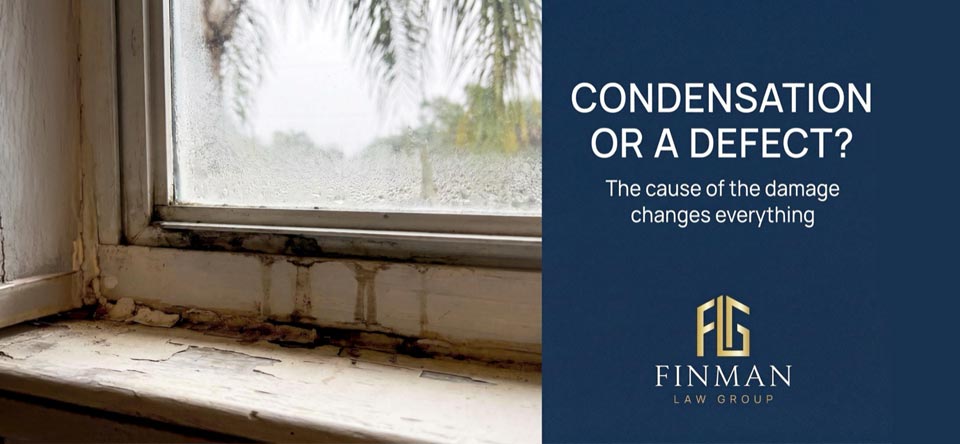
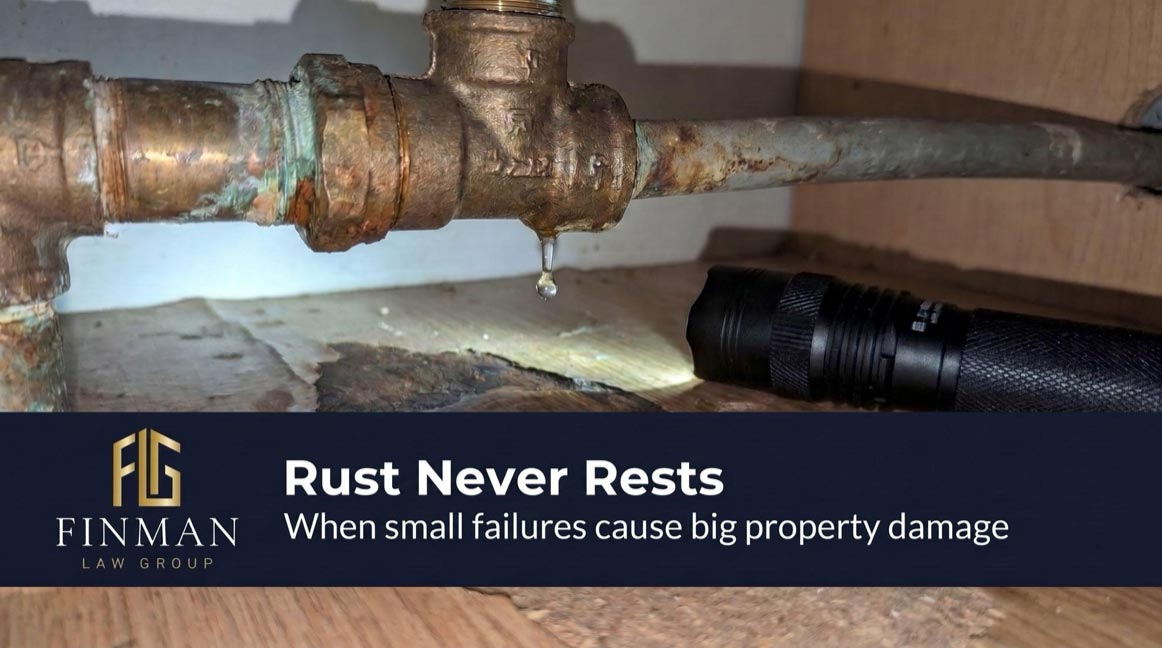
A building component doesn’t have to look important to cause an expensive problem. A connector behind a wall, a plumbing fitting beneath a sink, a roof membrane, a window seal, or an electrical component can fail quietly and let damage spread through a Houston home or commercial property.

At first, the issue may seem contained. A slow leak stains a ceiling or swells a cabinet. A failed roof component lets rainwater reach insulation and drywall, something Greater Houston’s heavy downpours are quick to exploit. A faulty appliance connection releases water while nobody’s home. By the time the problem is discovered, the visible damage may be far from the original point of failure. And once cleanup and repairs begin, a harder question emerges: who’s responsible? The answer can depend on what failed, why it failed, who designed or made it, who installed it, how it was maintained, and what insurance coverage applies.

Several Parties May Be Involved

Depending on the circumstances, a claim can involve a manufacturer, distributor, supplier, contractor, subcontractor, installer, property owner, maintenance company, or insurer. Not every party will be responsible, and the presence of a failed product doesn’t by itself establish liability.

A manufacturer may face questions if a component was defectively designed or made. An installer becomes relevant if the product wasn’t installed according to instructions or accepted practices. A contractor may be involved if the wrong product was selected or the work wasn’t completed properly, and maintenance history plays its part too. Sometimes the cause isn’t a defect at all. Houston’s climate works hard on building materials: Gulf Coast humidity, punishing summer heat, shifting clay soils that stress plumbing lines, and the occasional hard freeze can all explain a failure, along with age, ordinary wear, improper use, or an unrelated event. Sorting through those possibilities is often the heart of the dispute.
Why Identifying the Cause Takes Time

Water damage has a way of disturbing its own evidence as it turns out. A failed fitting gets removed during emergency repairs, wet drywall gets cut out, and a roof covering gets replaced to keep more rain from coming in. In a city where the next storm is rarely far off, those steps are often necessary, but they can make later examination harder.

That’s why the paper trail becomes so valuable in this. Photographs, invoices, product labels, installation records, maintenance documents, inspection reports, and repair notes preserve the history of a component, and in some cases a qualified technical expert needs to inspect the failed part or evaluate how the system was installed and used. When was the component installed? Had it been repaired before? Were there earlier leaks or warning signs with it? A reliable explanation usually requires more than just looking at the final damage.

The Insurance Side Adds Another Layer

Property owners naturally expect their insurance policy to address the resulting damage, but coverage depends on policy wording, the cause of loss, exclusions, and limitations. An insurer may agree that damage occurred while disputing whether the event is covered, how much damage resulted, or whether some of it developed gradually. In the Houston area, where humidity can blur the line between sudden damage and long-term moisture, that gradual-versus-sudden question comes up often.

A potential claim against a manufacturer or contractor is also a different animal from a first-party property insurance claim. The two can involve different legal theories, evidence, deadlines, and parties, which means a property owner can find themselves dealing with more than one issue at once. A leak near a product doesn’t necessarily prove the product was defective, and an insurer’s coverage position doesn’t settle whether another party contributed to the loss.

The Full Scope of the Damage Counts

The failed component is often inexpensive compared with the repairs it needs. Water can affect cabinetry, flooring, drywall, insulation, electrical systems, and personal belongings, and moisture can travel into concealed spaces where a visible stain is only part of the entire story. In Houston’s humidity, damp materials left behind a wall rarely dry out on their own. A thorough assessment considers the source of the loss along with every area it touched. Repair records, photographs, moisture readings, and clear descriptions of removed materials help explain the relationship between the failure and the damage that followed.

You Don’t Have to Untangle It Alone

Defective-component claims cross the lines between construction, product responsibility, insurance coverage, and property repair, which is exactly why they’re rarely resolved by a single repair estimate. Finman Law Group represents policyholders in property and casualty insurance disputes and can help Greater Houston property owners make sense of where responsibility may lie and how the coverage questions fit together.

If property damage at your Houston home or business has raised questions about insurance coverage or responsibility, contact Finman Law Group for a free evaluation of your situation.‍

Why defective building components raise complicated questions of responsibility for Houston property owners

A building component doesn’t have to look important to cause an expensive problem. A connector behind a wall, a plumbing fitting beneath a sink, a roof membrane, a window seal, or an electrical component can fail quietly and let damage spread through a Houston home or commercial property.

At first, the issue may seem contained. A slow leak stains a ceiling or swells a cabinet. A failed roof component lets rainwater reach insulation and drywall, something Greater Houston’s heavy downpours are quick to exploit. A faulty appliance connection releases water while nobody’s home. By the time the problem is discovered, the visible damage may be far from the original point of failure. And once cleanup and repairs begin, a harder question emerges: who’s responsible? The answer can depend on what failed, why it failed, who designed or made it, who installed it, how it was maintained, and what insurance coverage applies.

Several Parties May Be Involved

Depending on the circumstances, a claim can involve a manufacturer, distributor, supplier, contractor, subcontractor, installer, property owner, maintenance company, or insurer. Not every party will be responsible, and the presence of a failed product doesn’t by itself establish liability.

A manufacturer may face questions if a component was defectively designed or made. An installer becomes relevant if the product wasn’t installed according to instructions or accepted practices. A contractor may be involved if the wrong product was selected or the work wasn’t completed properly, and maintenance history plays its part too. Sometimes the cause isn’t a defect at all. Houston’s climate works hard on building materials: Gulf Coast humidity, punishing summer heat, shifting clay soils that stress plumbing lines, and the occasional hard freeze can all explain a failure, along with age, ordinary wear, improper use, or an unrelated event. Sorting through those possibilities is often the heart of the dispute.

Why Identifying the Cause Takes Time

Water damage has a way of disturbing its own evidence as it turns out. A failed fitting gets removed during emergency repairs, wet drywall gets cut out, and a roof covering gets replaced to keep more rain from coming in. In a city where the next storm is rarely far off, those steps are often necessary, but they can make later examination harder.

That’s why the paper trail becomes so valuable in this. Photographs, invoices, product labels, installation records, maintenance documents, inspection reports, and repair notes preserve the history of a component, and in some cases a qualified technical expert needs to inspect the failed part or evaluate how the system was installed and used. When was the component installed? Had it been repaired before? Were there earlier leaks or warning signs with it? A reliable explanation usually requires more than just looking at the final damage.

The Insurance Side Adds Another Layer

Property owners naturally expect their insurance policy to address the resulting damage, but coverage depends on policy wording, the cause of loss, exclusions, and limitations. An insurer may agree that damage occurred while disputing whether the event is covered, how much damage resulted, or whether some of it developed gradually. In the Houston area, where humidity can blur the line between sudden damage and long-term moisture, that gradual-versus-sudden question comes up often.

A potential claim against a manufacturer or contractor is also a different animal from a first-party property insurance claim. The two can involve different legal theories, evidence, deadlines, and parties, which means a property owner can find themselves dealing with more than one issue at once. A leak near a product doesn’t necessarily prove the product was defective, and an insurer’s coverage position doesn’t settle whether another party contributed to the loss.

The Full Scope of the Damage Counts

The failed component is often inexpensive compared with the repairs it needs. Water can affect cabinetry, flooring, drywall, insulation, electrical systems, and personal belongings, and moisture can travel into concealed spaces where a visible stain is only part of the entire story. In Houston’s humidity, damp materials left behind a wall rarely dry out on their own. A thorough assessment considers the source of the loss along with every area it touched. Repair records, photographs, moisture readings, and clear descriptions of removed materials help explain the relationship between the failure and the damage that followed.

You Don’t Have to Untangle It Alone

Defective-component claims cross the lines between construction, product responsibility, insurance coverage, and property repair, which is exactly why they’re rarely resolved by a single repair estimate. Finman Law Group represents policyholders in property and casualty insurance disputes and can help Greater Houston property owners make sense of where responsibility may lie and how the coverage questions fit together.

If property damage at your Houston home or business has raised questions about insurance coverage or responsibility, contact Finman Law Group for a free evaluation of your situation.‍

Additionally Reads

When a Rental Property Becomes Unsafe

When a Rental Property Becomes Unsafe

Learn how unsafe apartment conditions can lead to injury claims and why maintenance records, notice, and control of the property shape the answer.

Before You Accept an Injury Settlement Offer

Before You Accept an Injury Settlement Offer

Practical questions to think through before accepting a personal injury settlement, including medical care, lost income, documentation, and release terms.

When the Other Driver's Insurance Isn't Enough

When the Other Driver's Insurance Isn't Enough

Learn how uninsured and underinsured motorist coverage can come into play after a Florida car accident and why your own policy deserves a careful look.