When a Rental Property Becomes Unsafe

When a Rental Property Becomes Unsafe

Article content

Understanding premises liability after an injury at a Florida apartment or rental property

An apartment building should be a place where residents and visitors can move around without worrying about their basic safety. Across Florida, where garden-style complexes with outdoor staircases, open breezeways, and shared pool decks are the norm, people expect the stairways to be maintained, hallways to be lit well, the walkways to be reasonably clear, and shared spaces to be looked after. When something gets neglected, a small problem can sometimes turn into a serious hazard.

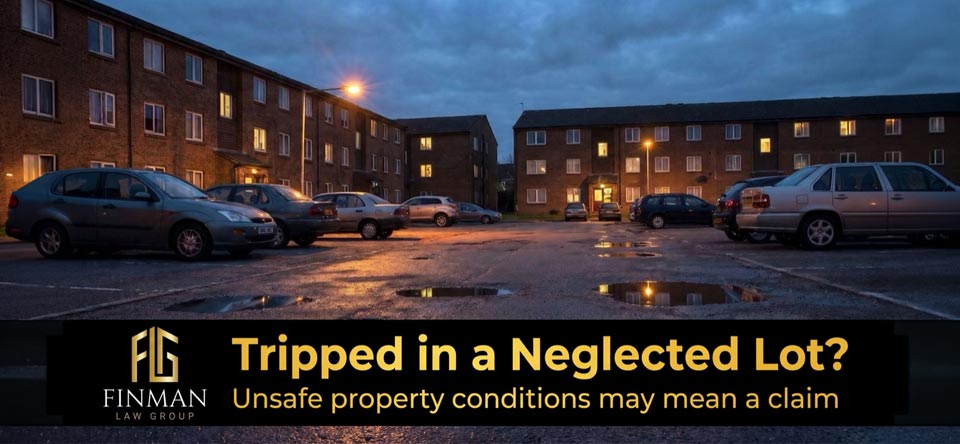
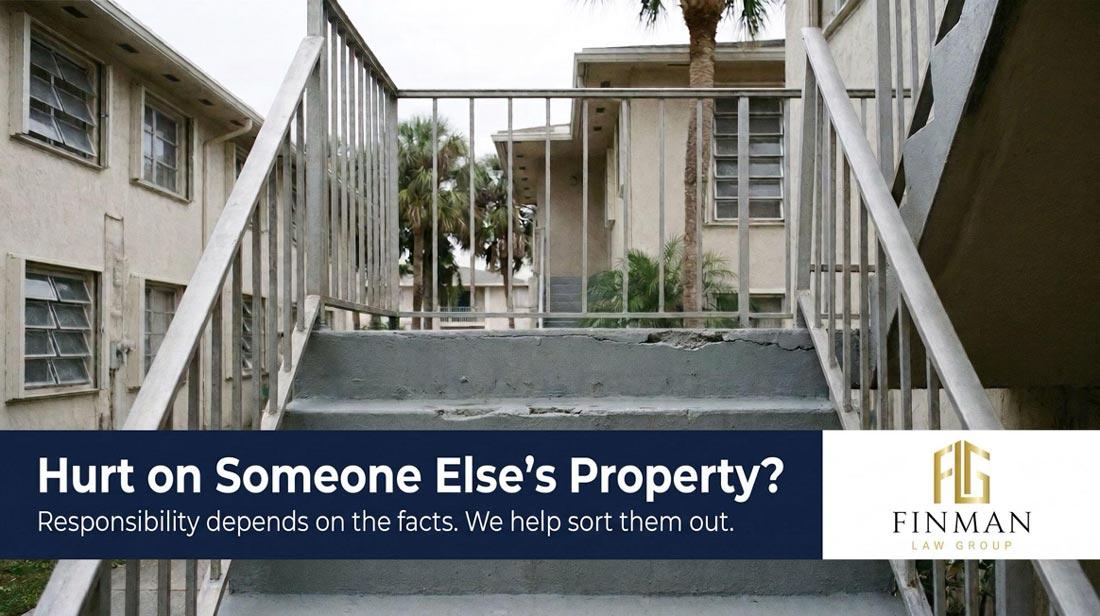
Picture a tenant carrying groceries down an outdoor staircase when a damaged step gives way. A visitor trips over broken pavement in a dim parking area, or someone slips on water from a leak near the laundry room. These are the kinds of conditions that can raise premises liability questions, depending on the circumstances. An injury on rental property doesn’t automatically mean the owner or manager is legally responsible, though. The cause of the hazard, who controlled the area, how long it existed and what the responsible party knew, or reasonably should have known, all shape the answer.
What Premises Liability Generally Means

Premises liability is the area of law that can address injuries connected to unsafe conditions on the property. In a Florida rental setting, the owner, management company, maintenance provider, or even another party may carry responsibilities depending on where the hazard was and what duties were involved.

The hazards themselves come in many forms: broken stairs or handrails, uneven sidewalks, inadequate lighting, damaged flooring, slippery surfaces, unsecured pool areas, malfunctioning gates, and leaks that never got addressed. Florida’s climate adds its own wrinkles. Daily afternoon storms can leave walkways and breezeways slick, humidity speeds up the wear on railings and concrete, and pool areas stay busy nearly year-round. Some conditions are temporary, like a spill. Others develop over time, like a walkway deteriorating through season after season of rain and sun. A claim often turns on whether a responsible party failed to use reasonable care under the circumstances and whether that failure was connected to the injury.

Why Notice Becomes a Central Question

One of the most important issues in many premises cases is notice. Was the owner or the manager told about the problem? Did a maintenance worker see it? Had similar complaints come in before? Was the condition there long enough that reasonable inspections should’ve caught it?

Maintenance requests, work orders, inspection records, emails, texts, and incident reports often help explain what happened before an accident. In Florida, where the rainy season can turn a small roof or plumbing leak into a recurring one, repeated reports about the same wet spot or broken stair tread tell a very different story than a handrail damaged moments before someone fell. At the same time, the existence of a maintenance policy doesn’t necessarily prove it was followed, and a single accident doesn’t automatically establish negligence took place. The records and circumstances have to be read together.

Shared Spaces, Private Units, and Responsibility

Florida rental properties hold many different areas: individual apartments, corridors, elevators, stairwells, parking lots, pools, fitness rooms, and exterior walkways. Responsibility can depend partly on who controlled or maintained the specific area where the injury happened. A tenant may carry responsibilities under a lease for certain conditions inside a unit, while management retains control over the common areas, and contractors or outside vendors can be part of the picture too. In larger Florida communities, a condo association or HOA may share the stage as well. That’s what makes apartment injury cases more complicated than they first appear to people. Several parties may be involved in it and each may have a different understanding of who was responsible for inspections, repairs, warnings, or upkeep.

The Evidence That Helps Explain What Happened

People who’ve been through these situations often describe how much the early record ends up counting. Photos of the condition(s), the lighting, and any warning signs tend to preserve what the scene actually looked like, and in Florida that can be especially true, since the next afternoon downpour can wash away a puddle, scatter debris, or change the scene entirely. Witness accounts can also speak volume as to how long a hazard had been there. Building surveillance footage can be relevant as well, though recordings aren’t always kept for long. Medical records document the injury and the treatment that followed, and communications with management add context. No single item answers every question, but together they can paint a much clearer picture.

You Don’t Have to Sort It Out Alone

Anyone dealing with an injury should put immediate health and safety first. Beyond that, the legal questions around a rental property injury in Florida are rarely simple, and they’re not something you need to untangle on your own. Finman Law Group handles personal injury cases, including slip-and-fall and other negligence-based claims, and can review the circumstances with you and explain how these questions get evaluated.

If you were injured at an apartment or rental property in Florida, contact Finman Law Group for a free evaluation of your case.‍

Understanding premises liability after an injury at a Florida apartment or rental property

An apartment building should be a place where residents and visitors can move around without worrying about their basic safety. Across Florida, where garden-style complexes with outdoor staircases, open breezeways, and shared pool decks are the norm, people expect the stairways to be maintained, hallways to be lit well, the walkways to be reasonably clear, and shared spaces to be looked after. When something gets neglected, a small problem can sometimes turn into a serious hazard.

Picture a tenant carrying groceries down an outdoor staircase when a damaged step gives way. A visitor trips over broken pavement in a dim parking area, or someone slips on water from a leak near the laundry room. These are the kinds of conditions that can raise premises liability questions, depending on the circumstances. An injury on rental property doesn’t automatically mean the owner or manager is legally responsible, though. The cause of the hazard, who controlled the area, how long it existed and what the responsible party knew, or reasonably should have known, all shape the answer.

What Premises Liability Generally Means

Premises liability is the area of law that can address injuries connected to unsafe conditions on the property. In a Florida rental setting, the owner, management company, maintenance provider, or even another party may carry responsibilities depending on where the hazard was and what duties were involved.

The hazards themselves come in many forms: broken stairs or handrails, uneven sidewalks, inadequate lighting, damaged flooring, slippery surfaces, unsecured pool areas, malfunctioning gates, and leaks that never got addressed. Florida’s climate adds its own wrinkles. Daily afternoon storms can leave walkways and breezeways slick, humidity speeds up the wear on railings and concrete, and pool areas stay busy nearly year-round. Some conditions are temporary, like a spill. Others develop over time, like a walkway deteriorating through season after season of rain and sun. A claim often turns on whether a responsible party failed to use reasonable care under the circumstances and whether that failure was connected to the injury.

Why Notice Becomes a Central Question

One of the most important issues in many premises cases is notice. Was the owner or the manager told about the problem? Did a maintenance worker see it? Had similar complaints come in before? Was the condition there long enough that reasonable inspections should’ve caught it?

Maintenance requests, work orders, inspection records, emails, texts, and incident reports often help explain what happened before an accident. In Florida, where the rainy season can turn a small roof or plumbing leak into a recurring one, repeated reports about the same wet spot or broken stair tread tell a very different story than a handrail damaged moments before someone fell. At the same time, the existence of a maintenance policy doesn’t necessarily prove it was followed, and a single accident doesn’t automatically establish negligence took place. The records and circumstances have to be read together.

Shared Spaces, Private Units, and Responsibility

Florida rental properties hold many different areas: individual apartments, corridors, elevators, stairwells, parking lots, pools, fitness rooms, and exterior walkways. Responsibility can depend partly on who controlled or maintained the specific area where the injury happened. A tenant may carry responsibilities under a lease for certain conditions inside a unit, while management retains control over the common areas, and contractors or outside vendors can be part of the picture too. In larger Florida communities, a condo association or HOA may share the stage as well. That’s what makes apartment injury cases more complicated than they first appear to people. Several parties may be involved in it and each may have a different understanding of who was responsible for inspections, repairs, warnings, or upkeep.

The Evidence That Helps Explain What Happened

People who’ve been through these situations often describe how much the early record ends up counting. Photos of the condition(s), the lighting, and any warning signs tend to preserve what the scene actually looked like, and in Florida that can be especially true, since the next afternoon downpour can wash away a puddle, scatter debris, or change the scene entirely. Witness accounts can also speak volume as to how long a hazard had been there. Building surveillance footage can be relevant as well, though recordings aren’t always kept for long. Medical records document the injury and the treatment that followed, and communications with management add context. No single item answers every question, but together they can paint a much clearer picture.

You Don’t Have to Sort It Out Alone

Anyone dealing with an injury should put immediate health and safety first. Beyond that, the legal questions around a rental property injury in Florida are rarely simple, and they’re not something you need to untangle on your own. Finman Law Group handles personal injury cases, including slip-and-fall and other negligence-based claims, and can review the circumstances with you and explain how these questions get evaluated.

If you were injured at an apartment or rental property in Florida, contact Finman Law Group for a free evaluation of your case.‍

Additionally Reads

Before You Accept an Injury Settlement Offer

Before You Accept an Injury Settlement Offer

Practical questions to think through before accepting a personal injury settlement, including medical care, lost income, documentation, and release terms.

When the Other Driver's Insurance Isn't Enough

When the Other Driver's Insurance Isn't Enough

Learn how uninsured and underinsured motorist coverage can come into play after a Florida car accident and why your own policy deserves a careful look.
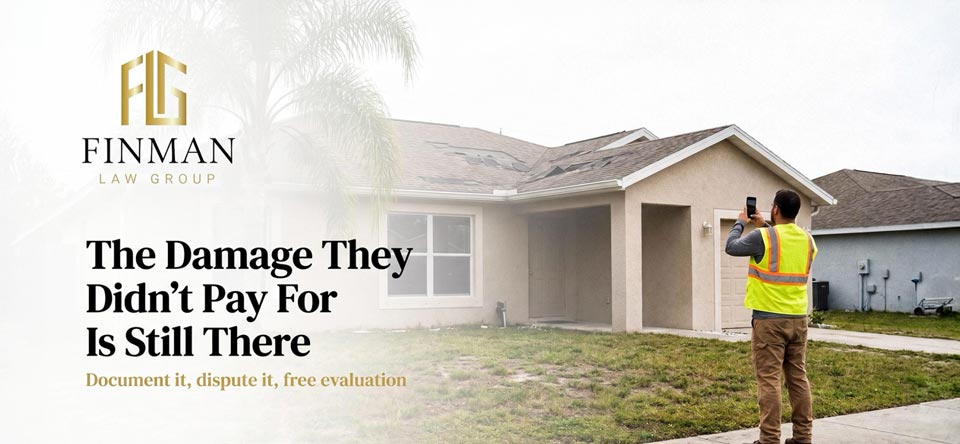
Your Insurer Approved Only Part of Your Storm Damage Claim and Here’s What Comes Next

Your Insurer Approved Only Part of Your Storm Damage Claim and Here’s What Comes Next

Insurer approved only part of your Florida storm claim? Learn how to review the estimate and document disputed damage. Finman Law Group. Free evaluation.