When the Other Driver's Insurance Isn't Enough

When the Other Driver's Insurance Isn't Enough

Article content

Understanding uninsured and underinsured motorist coverage after a Florida crash

A car accident can turn an ordinary day totally upside down sometimes. Suddenly there are medical appointments, missed work, repair estimates, and calls from insurance companies, all while you're just trying to feel like yourself again. That stress can deepen even more when the driver who caused the crash turns out to have no bodily injury insurance, or not nearly enough to cover what the injuries have actually cost.

It's a situation more Florida drivers run into than you might expect. Many people assume the at-fault driver's policy will take care of everything connected to a crash. In reality, the available coverage can be pretty thin and what happens next often depends on a policy most people have never read closely…their own.
What UM and UIM Coverage Actually Means

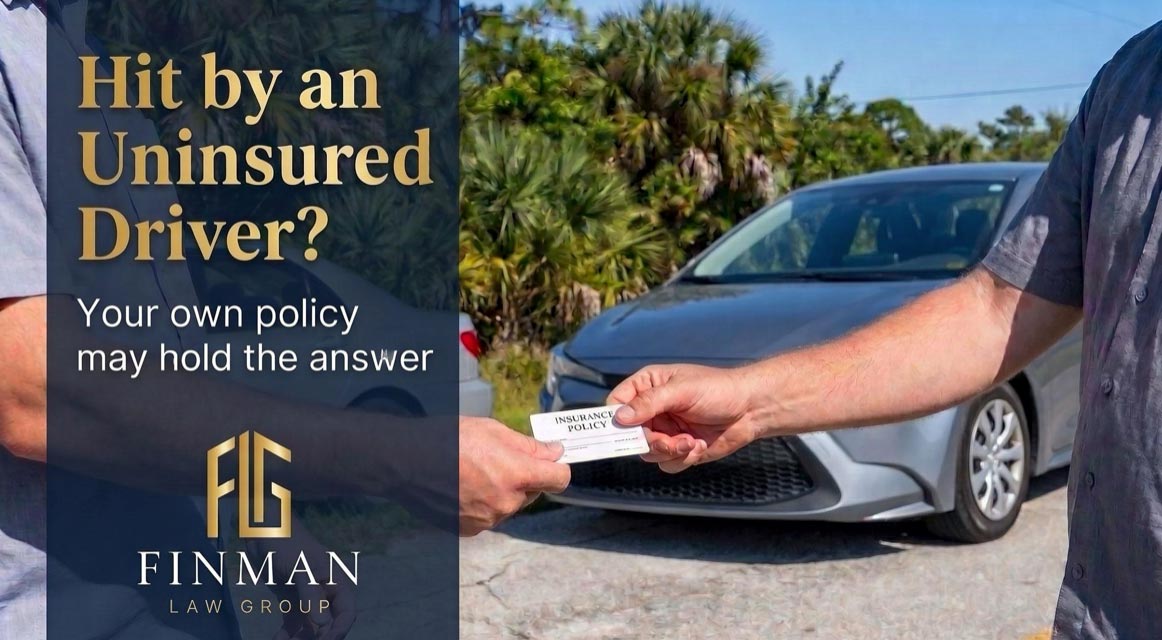
Uninsured motorist coverage, usually shortened to UM, can provide benefits for covered injuries when the at-fault driver carries no bodily injury liability coverage at all. Underinsured motorist coverage comes into the picture when the other driver has some coverage, but the amount available falls short of the harm that was done from the accident.

These protections aren't identical from one policy to the next. Definitions, exclusions, and limits vary, and coverage can depend on who was injured, which vehicles were involved, and how the people on the policy are related. Florida's Department of Financial Services describes UM coverage as protection that may apply when the at-fault party has no bodily injury coverage or insufficient limits, but the policy itself is where the specific terms live.

It's also good to know that UM coverage generally focuses on bodily injury. Repairs to a damaged car usually flow through a different part of the insurance entirely.

Why Your Own Policy Deserves a Close Look

Insurance documents can be hard to read sometimes, especially when several coverages and limits share the same page. The declarations page is the summary most people see, while the full policy holds the wording that explains how each coverage actually works. A policy casually described as "full coverage" doesn't always include every protection a driver might assume it does. That phrase means different things to different people, and it's often where misunderstandings begin with things.

How Drivers Typically Keep Track of the Details

People who come through this process with fewer headaches tend to have their information in one place. Crash report details, photos of the vehicles and the scene, witness contacts, insurance cards, and messages from insurers often end up scattered across texts and emails, so gathering them early makes a real difference in dealing with accidents. The same goes for medical visit summaries, prescriptions, receipts, and records showing time missed from work. Many people also keep a simple timeline of when symptoms appeared, which appointments they attended, and how their daily life changed along the way.

When a Settlement Offer Shows Up Early

An offer sometimes arrives before the full course of treatment is known. Some injuries improve quickly, while others may linger or can require care that wasn't obvious in the first weeks. Signed releases can carry consequences that aren't easy to undo, which is why people who've been through this often describe wanting to understand exactly what an offer was meant to resolve before signing to the settlement. A signature is far easier to give than to take back.

You Don't Have to Face It Alone

There's no single answer that fits every collision at all. The policy language, and the injuries, the available insurance, and the facts of the crash all shape what's possible. What you don't have to do is untangle it by yourself while you're trying to heal from the accident. Finman Law Group handles personal injury cases throughout Florida and can review your situation, explain the coverage questions in plain language, and help you understand your options.

If you were injured in a crash and the other driver's insurance isn't enough, contact Finman Law Group for a free evaluation of your case.‍

Understanding uninsured and underinsured motorist coverage after a Florida crash

A car accident can turn an ordinary day totally upside down sometimes. Suddenly there are medical appointments, missed work, repair estimates, and calls from insurance companies, all while you're just trying to feel like yourself again. That stress can deepen even more when the driver who caused the crash turns out to have no bodily injury insurance, or not nearly enough to cover what the injuries have actually cost.

It's a situation more Florida drivers run into than you might expect. Many people assume the at-fault driver's policy will take care of everything connected to a crash. In reality, the available coverage can be pretty thin and what happens next often depends on a policy most people have never read closely…their own.

What UM and UIM Coverage Actually Means

Uninsured motorist coverage, usually shortened to UM, can provide benefits for covered injuries when the at-fault driver carries no bodily injury liability coverage at all. Underinsured motorist coverage comes into the picture when the other driver has some coverage, but the amount available falls short of the harm that was done from the accident.

These protections aren't identical from one policy to the next. Definitions, exclusions, and limits vary, and coverage can depend on who was injured, which vehicles were involved, and how the people on the policy are related. Florida's Department of Financial Services describes UM coverage as protection that may apply when the at-fault party has no bodily injury coverage or insufficient limits, but the policy itself is where the specific terms live.

It's also good to know that UM coverage generally focuses on bodily injury. Repairs to a damaged car usually flow through a different part of the insurance entirely.

Why Your Own Policy Deserves a Close Look

Insurance documents can be hard to read sometimes, especially when several coverages and limits share the same page. The declarations page is the summary most people see, while the full policy holds the wording that explains how each coverage actually works. A policy casually described as "full coverage" doesn't always include every protection a driver might assume it does. That phrase means different things to different people, and it's often where misunderstandings begin with things.

How Drivers Typically Keep Track of the Details

People who come through this process with fewer headaches tend to have their information in one place. Crash report details, photos of the vehicles and the scene, witness contacts, insurance cards, and messages from insurers often end up scattered across texts and emails, so gathering them early makes a real difference in dealing with accidents. The same goes for medical visit summaries, prescriptions, receipts, and records showing time missed from work. Many people also keep a simple timeline of when symptoms appeared, which appointments they attended, and how their daily life changed along the way.

When a Settlement Offer Shows Up Early

An offer sometimes arrives before the full course of treatment is known. Some injuries improve quickly, while others may linger or can require care that wasn't obvious in the first weeks. Signed releases can carry consequences that aren't easy to undo, which is why people who've been through this often describe wanting to understand exactly what an offer was meant to resolve before signing to the settlement. A signature is far easier to give than to take back.

You Don't Have to Face It Alone

There's no single answer that fits every collision at all. The policy language, and the injuries, the available insurance, and the facts of the crash all shape what's possible. What you don't have to do is untangle it by yourself while you're trying to heal from the accident. Finman Law Group handles personal injury cases throughout Florida and can review your situation, explain the coverage questions in plain language, and help you understand your options.

If you were injured in a crash and the other driver's insurance isn't enough, contact Finman Law Group for a free evaluation of your case.‍

Additionally Reads

Your Insurer Approved Only Part of Your Storm Damage Claim and Here’s What Comes Next

Your Insurer Approved Only Part of Your Storm Damage Claim and Here’s What Comes Next

Insurer approved only part of your Florida storm claim? Learn how to review the estimate and document disputed damage. Finman Law Group. Free evaluation.
Wrongful Death Claims in Houston and What Families Should Know After Losing a Loved One

Wrongful Death Claims in Houston and What Families Should Know After Losing a Loved One

Learn how wrongful death claims work in Houston, who may bring a claim, and what families should know about evidence and deadlines. Free evaluation.
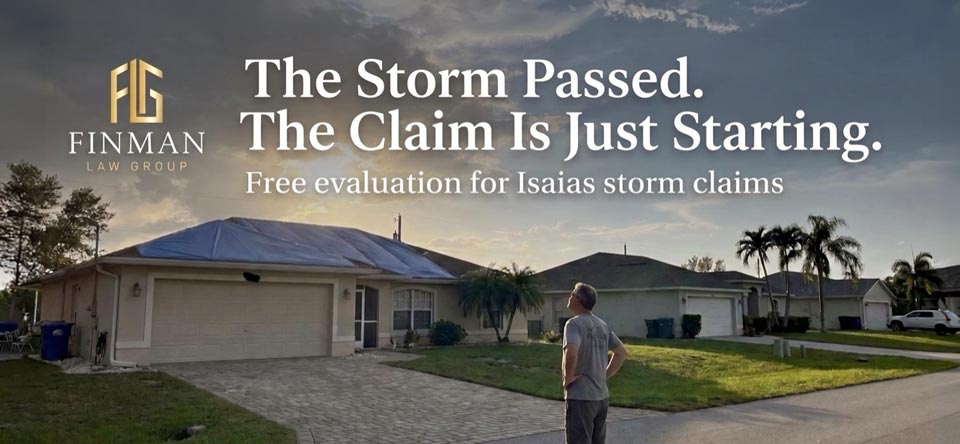
What Florida Property Owners Should Document After Hurricane Isaias

What Florida Property Owners Should Document After Hurricane Isaias

Document Hurricane Isaias damage the right way. Finman Law Group helps Florida owners with delayed, denied, or underpaid storm claims. Free evaluation.