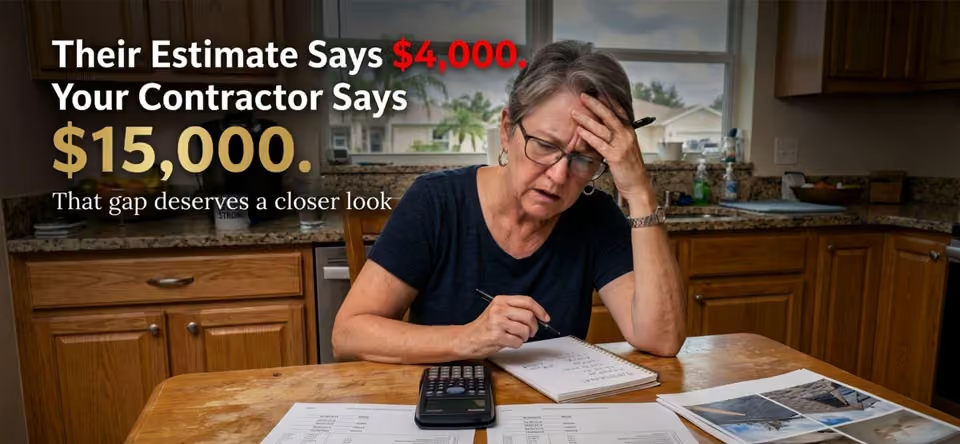
When the Insurance Company Says Your Damage Is Below the Deductible

When the Insurance Company Says Your Damage Is Below the Deductible

Article content

The damage is real, the repair bill is higher than expected, and the insurer says the policy isn't paying anything

There are few insurance messages more frustrating than this one. Your home is damaged, you've reported the claim, an adjuster has inspected everything, and then the insurance company tells you the damage doesn't exceed your deductible. To put it in other words, the repair cost falls entirely on you! But here's something homeowners sometimes miss. The number the insurance company gives you isn't automatically the final word on what your property actually needs. An estimate can leave out damaged materials, underestimate the scope of repairs, or simply fail to account for everything that happened during the loss. And when the difference between the insurer's estimate and the real repair cost is thousands of dollars, understanding what below the deductible actually means becomes important.

What Below the Deductible Actually Means

Your deductible is the amount you're generally responsible for paying before covered insurance benefits apply. So if your deductible is $5,000 and the insurer determines that covered damage totals $4,000, the insurer may say there's no payment due under the policy. That sounds straightforward until you look closely at how the $4,000 figure was calculated. The estimate may not include every affected material. It may account for a small repair where replacement is actually necessary. It may overlook hidden water damage, damaged insulation, code-related work, or areas that weren't fully inspected. The deductible isn't necessarily the problem. The question is whether the damage estimate accurately reflects the loss.

Where Insurance Estimates Can Fall Short

Homeowners often see a short estimate and assume the insurance company must have found everything. That's not always how it works, because a property loss can involve layers of damage that aren't obvious during a quick inspection:

  • Water that travels behind walls and cabinets while leaving only a small visible stain, and roofing damage in underlying materials that can't be seen from the ground
  • Flooring damage that extends beyond where water first appeared, plus labor, demolition, disposal, drying, and rebuilding costs that add substantially to the real project

Materials sometimes require removal and replacement rather than simple patching too. This is why the estimate matters so much. It's not just a number. It's a description of what the insurance company believes actually happened to your property, and if that description is incomplete, the below-the-deductible conclusion built on it is incomplete as well.

Don't Confuse the Estimate With the Repair

Here's where homeowners sometimes can get caught off guard with things. An insurance estimate might say a damaged area can be repaired for a certain amount, while a qualified contractor determines the repair isn't practical or won't properly restore the property. That doesn't automatically mean the contractor's right and the insurer's wrong. It means there's a disagreement that deserves to be examined, and the way to examine it is line by line. What materials are included? What was left out? Were damaged areas measured correctly? Was demolition included? What about disposal? Did anyone look behind the visible damage? The more specific the comparison, the easier it becomes to see exactly where the numbers stopped matching reality.

What Homeowners Should Keep

If your insurer says the damage is below the deductible, don't throw the paperwork in a drawer and move on without reviewing it. Keep photographs and videos of the damage, including close-ups and wider shots showing where the damage sits in the home. Keep contractor estimates, invoices, receipts, inspection reports, moisture readings, temporary repair expenses, and every piece of correspondence with the insurance company. Most importantly, keep a copy of the insurer's estimate itself, because you can't effectively question an estimate you haven't carefully reviewed.

When the Numbers Don't Make Sense

Sometimes the difference is small and straightforward. Other times, a homeowner is looking at a $10,000 insurance estimate while a legitimate repair scope comes back at $35,000. That's when the details matter most, and it's when having experienced eyes review the policy, the insurer's estimate, and the evidence can make a real difference. The goal isn't to turn every disagreement into a fight. It's to make sure you understand what the insurance company is actually paying for, and whether that assessment matches the damage that occurred. A gap that big deserves a closer look before you absorb it.

Did your insurance company say your Florida property damage is below the deductible? Don't assume the insurer's estimate tells the whole story. Contact Finman Law Group today for a free evaluation and a clearer picture of your options.‍

The damage is real, the repair bill is higher than expected, and the insurer says the policy isn't paying anything

There are few insurance messages more frustrating than this one. Your home is damaged, you've reported the claim, an adjuster has inspected everything, and then the insurance company tells you the damage doesn't exceed your deductible. To put it in other words, the repair cost falls entirely on you! But here's something homeowners sometimes miss. The number the insurance company gives you isn't automatically the final word on what your property actually needs. An estimate can leave out damaged materials, underestimate the scope of repairs, or simply fail to account for everything that happened during the loss. And when the difference between the insurer's estimate and the real repair cost is thousands of dollars, understanding what below the deductible actually means becomes important.

What Below the Deductible Actually Means

Your deductible is the amount you're generally responsible for paying before covered insurance benefits apply. So if your deductible is $5,000 and the insurer determines that covered damage totals $4,000, the insurer may say there's no payment due under the policy. That sounds straightforward until you look closely at how the $4,000 figure was calculated. The estimate may not include every affected material. It may account for a small repair where replacement is actually necessary. It may overlook hidden water damage, damaged insulation, code-related work, or areas that weren't fully inspected. The deductible isn't necessarily the problem. The question is whether the damage estimate accurately reflects the loss.

Where Insurance Estimates Can Fall Short

Homeowners often see a short estimate and assume the insurance company must have found everything. That's not always how it works, because a property loss can involve layers of damage that aren't obvious during a quick inspection:

  • Water that travels behind walls and cabinets while leaving only a small visible stain, and roofing damage in underlying materials that can't be seen from the ground
  • Flooring damage that extends beyond where water first appeared, plus labor, demolition, disposal, drying, and rebuilding costs that add substantially to the real project

Materials sometimes require removal and replacement rather than simple patching too. This is why the estimate matters so much. It's not just a number. It's a description of what the insurance company believes actually happened to your property, and if that description is incomplete, the below-the-deductible conclusion built on it is incomplete as well.

Don't Confuse the Estimate With the Repair

Here's where homeowners sometimes can get caught off guard with things. An insurance estimate might say a damaged area can be repaired for a certain amount, while a qualified contractor determines the repair isn't practical or won't properly restore the property. That doesn't automatically mean the contractor's right and the insurer's wrong. It means there's a disagreement that deserves to be examined, and the way to examine it is line by line. What materials are included? What was left out? Were damaged areas measured correctly? Was demolition included? What about disposal? Did anyone look behind the visible damage? The more specific the comparison, the easier it becomes to see exactly where the numbers stopped matching reality.

What Homeowners Should Keep

If your insurer says the damage is below the deductible, don't throw the paperwork in a drawer and move on without reviewing it. Keep photographs and videos of the damage, including close-ups and wider shots showing where the damage sits in the home. Keep contractor estimates, invoices, receipts, inspection reports, moisture readings, temporary repair expenses, and every piece of correspondence with the insurance company. Most importantly, keep a copy of the insurer's estimate itself, because you can't effectively question an estimate you haven't carefully reviewed.

When the Numbers Don't Make Sense

Sometimes the difference is small and straightforward. Other times, a homeowner is looking at a $10,000 insurance estimate while a legitimate repair scope comes back at $35,000. That's when the details matter most, and it's when having experienced eyes review the policy, the insurer's estimate, and the evidence can make a real difference. The goal isn't to turn every disagreement into a fight. It's to make sure you understand what the insurance company is actually paying for, and whether that assessment matches the damage that occurred. A gap that big deserves a closer look before you absorb it.

Did your insurance company say your Florida property damage is below the deductible? Don't assume the insurer's estimate tells the whole story. Contact Finman Law Group today for a free evaluation and a clearer picture of your options.‍

Additionally Reads

Isaias Is Headed for the Gulf Coast. Protect Your Property and Your Rights Before It Arrives

Isaias Is Headed for the Gulf Coast. Protect Your Property and Your Rights Before It Arrives

Isaias could hit the Gulf Coast as a hurricane this weekend. Learn how Florida and Texas property owners can document, review coverage, and avoid bad contracts.
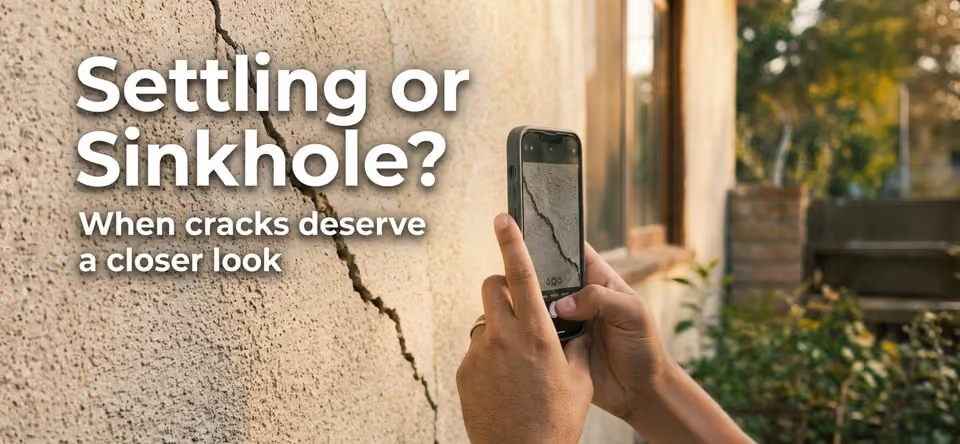
Cracks in Your Florida Home and How to Tell Normal Settling From a Possible Sinkhole

Cracks in Your Florida Home and How to Tell Normal Settling From a Possible Sinkhole

Seeing cracks in your Florida home? Learn the difference between normal settling and possible sinkhole damage and why it matters for a claim. Free evaluation.

Bicycle Accidents in Tampa and What Injured Cyclists Should Know After a Crash

Bicycle Accidents in Tampa and What Injured Cyclists Should Know After a Crash

Injured in a bicycle accident in Tampa? Learn what cyclists should do after a crash and what evidence matters. Finman Law Group. Free evaluation.