

Topic:
Personal Injury, Accidents, Slip & Fall
Article content
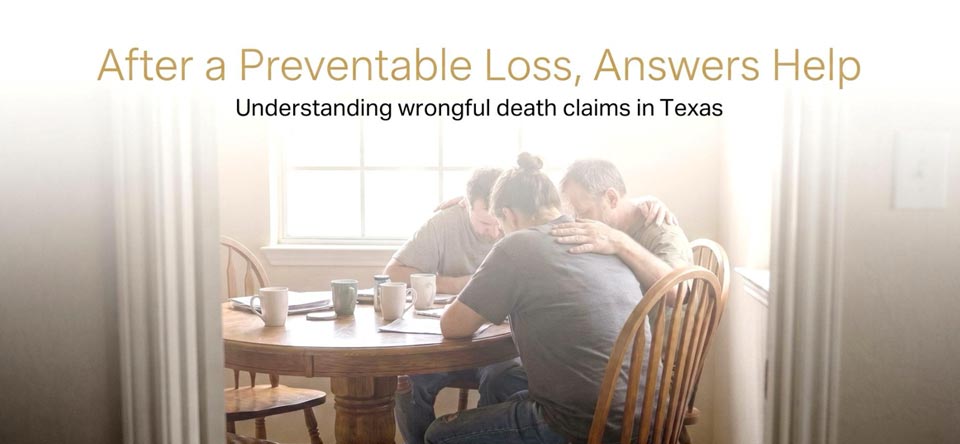
Losing a loved one is devastating under any circumstances. When a death may have been caused by someone else’s negligence, families are left carrying grief alongside hard questions about responsibility, finances, and what happens next. No legal claim can undo the loss, and nothing written here pretends otherwise. But understanding the options available under Texas law can help a family make informed decisions during an overwhelming time, and sometimes a little clarity is the kindest thing anyone can offer. A wrongful death claim is a civil action that may be available when a person’s death was caused by another party’s wrongful act, carelessness, or failure to use reasonable care. A tragic outcome by itself doesn’t establish legal responsibility. The facts and evidence have to support it, which is why careful investigation sits at the heart of these cases.
In the Houston area, fatal incidents can happen on busy highways, at industrial sites, on commercial properties, and in other settings where people reasonably expect safety measures to be in place. Potential cases may involve a serious car or 18-wheeler collision, a rideshare crash, unsafe premises, a workplace or industrial incident, or medical care that allegedly fell below the applicable standard. Each situation calls for its own careful look. Roadway cases may turn on crash reports, photographs, vehicle data, witness accounts, and video. Workplace and industrial cases may involve safety procedures, maintenance records, training documents, and contractor relationships, while a premises case may come down to inspection records, prior complaints, lighting, and whether a dangerous condition was known or should’ve been discovered. Not every fatal incident creates a claim, and an honest review respects that.
Texas law generally identifies the surviving spouse, children, and parents of the person who died as the family members entitled to bring a wrongful death action, and one or more of them may bring it for the benefit of everyone entitled to recover. If no eligible family member begins an action within the statutory period, Texas law includes a process involving the estate’s executor or administrator, subject to the law’s conditions. Family structures can be complicated, so relatives shouldn’t assume everyone holds the same legal rights. A wrongful death claim is also distinct from a survival action, which may allow a claim belonging to the deceased person’s estate to continue. Sorting out which claims apply, and who is authorized to pursue them, is one of the first things experienced guidance can clarify.
Depending on the facts and applicable law, damages may include the financial support the loved one would have provided, loss of companionship and society, mental anguish, and other legally recognized losses. Funeral and burial expenses may also be relevant, depending on the claim and who incurred them. The categories and the proof they require vary, and compensation is never automatic. A case may call for information about income, work history, family relationships, and household contributions. Please hear this gently. Families don’t need to assemble every document right away, and no one should set aside grieving to build a file. Preserving the records that are already within reach is enough for now.
Evidence becomes harder to obtain as time passes. Vehicles get repaired, surveillance footage gets overwritten, worksites change, and memories fade. When possible, keep copies of reports and correspondence, note potential witnesses, and preserve relevant documents, without putting yourself at risk or delaying what your family needs. Texas generally has a two-year limitations period for an action involving injury resulting in death, but exceptions and other rules may apply, and some cases, including those involving government entities, carry additional notice requirements. Seeking guidance promptly is wiser than treating a general deadline as a guarantee.
Families don’t have to know every answer before asking questions. An initial conversation can help clarify what’s known, what remains uncertain, who may have relevant information, and whether an investigation makes sense. It can also help a family understand communications from insurers while they focus on each other. Every case is fact-specific, and a consultation is an opportunity to understand options, never a promise of a particular result. What it offers is something grieving families deserve. Clear, honest answers, delivered with care.
If your family has questions about a death in the Houston area that may have resulted from negligence, Finman Law Group is here to listen and help you understand the possible next steps. Contact us today for a free, confidential evaluation.



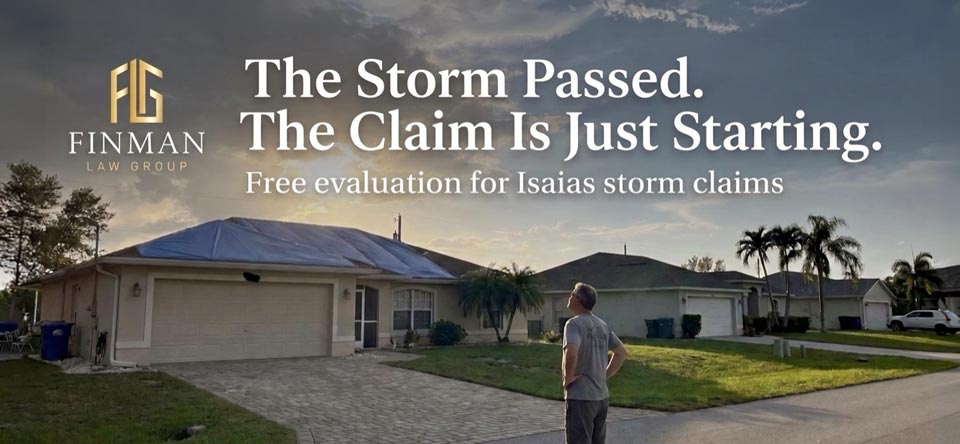
Document Hurricane Isaias damage the right way. Finman Law Group helps Florida owners with delayed, denied, or underpaid storm claims. Free evaluation.
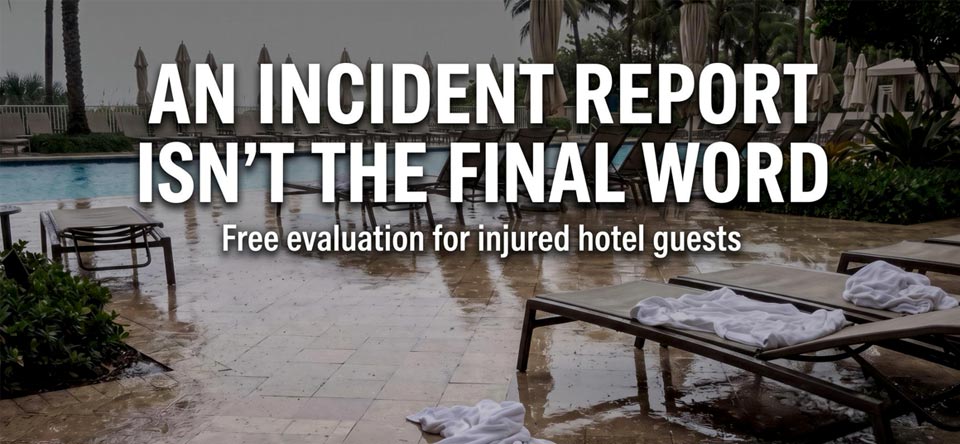
Injured at a Florida hotel? Learn what evidence counts, what to do after the incident, and how Finman Law Group can help. Free evaluation.
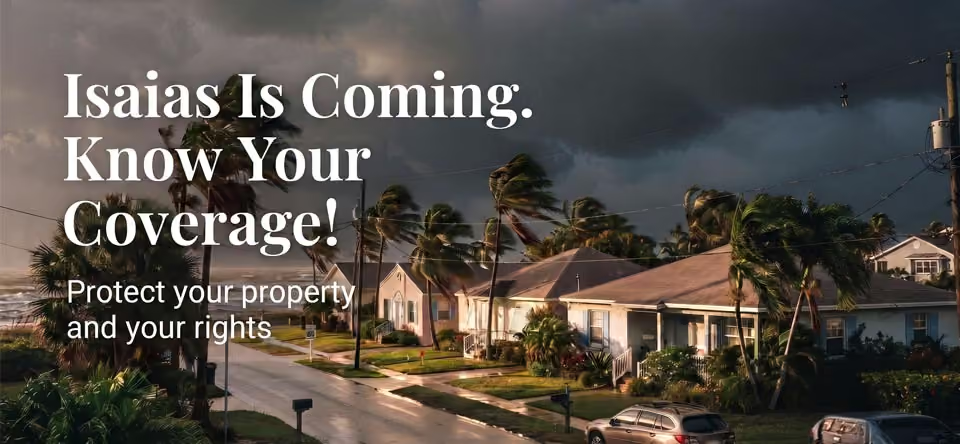
Isaias could hit the Gulf Coast as a hurricane this weekend. Learn how Florida and Texas property owners can document, review coverage, and avoid bad contracts.