Accidents Involving Florida Hotel Shuttle Vans and Resort Transportation

Accidents Involving Florida Hotel Shuttle Vans and Resort Transportation

Article content

What travelers should know when the ride between the airport and the resort goes wrong

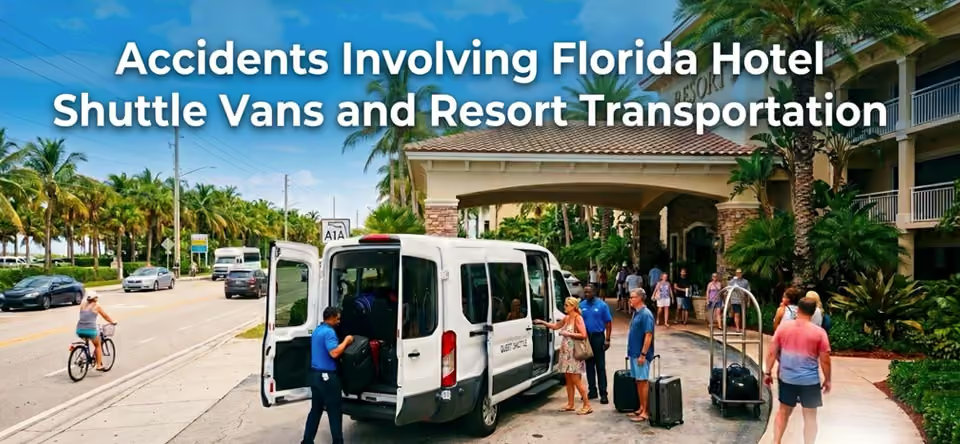
Florida's tourism industry moves millions of people every year, and much of this movement happens in hotel shuttle vans, resort buses, and all the airport transport vehicles. For visitors, these shuttles are a part of the vacation itself, the ride that carries families between hotels, theme parks, beaches, and airports. For hospitality workers, they’re daily transportation. But with heavy traffic, tight schedules, and drivers juggling constant stops, accidents involving these vehicles are becoming more common across the state.

Why Shuttle Accidents Happen

Florida's busiest tourist corridors create uniquely demanding driving conditions on a daily basis. Orlando's International Drive, the streets of Miami Beach, and Tampa's waterfront districts combine congestion, unpredictable traffic, constant pedestrian activity, and stop-after-stop routes that never seem to let a driver settle into a rhythm. Within that environment, several factors can show up again and again:

  • Driver distraction: as shuttle operators navigate routes, assist passengers, answer questions, and manage tight schedules all at once
  • Unsafe loading zones: where crowded hotel entrances and poorly marked pickup areas put passengers close to moving traffic
  • Fatigue and pressure: from long shifts during peak tourist seasons
  • Congested roads: shared with rideshares, taxis, rental cars, and visitors unfamiliar with the area

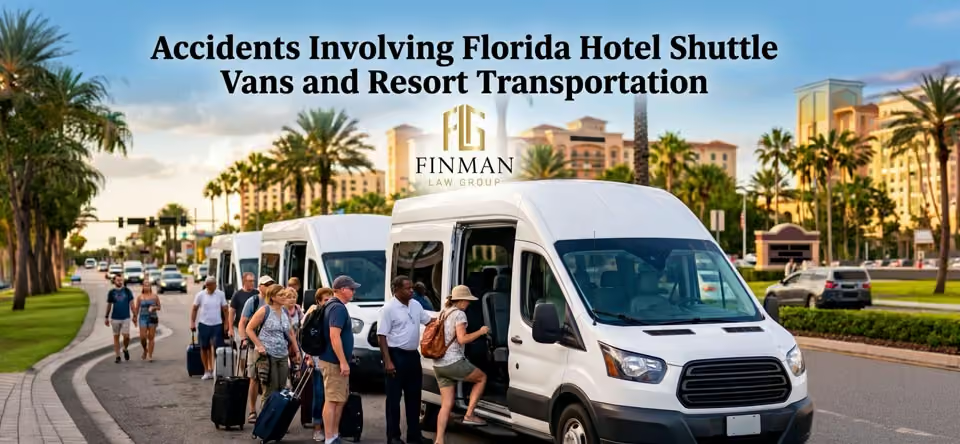
These conditions can make shuttle accidents uniquely dangerous, especially when a van is full of families, stacked luggage, and children who are not secured the way they would be in a family car.
What Passengers Typically Do After an Incident

A sudden stop or collision in a shuttle leaves passengers disoriented, and for tourists, the confusion runs deeper. Many are far from home, unsure of local procedures, and unsure who to even contact. Travelers who have been through it tend to focus on a few grounding steps. They document the vehicle and the scene, photographing the shuttle, the road conditions, other vehicles involved, and any visible injuries. They gather the basic info including the shuttle company's name, the driver's information, and contact details for fellow passengers who witnessed what happened. And they track their medical symptoms closely in the hours and days afterward, because headaches, neck pain, and dizziness from a collision often appear well after the adrenaline fades. For visitors flying home soon, seeing a doctor before leaving Florida creates a medical record close to the event, which matters when symptoms persist.

The Human Impact on Travelers and Workers

Shuttle accidents can cause whiplash, bruising, fractures, and real emotional distress. For families, a vacation built around joy becomes a scramble of urgent care visits, canceled plans, and anxious phone calls. Children who were frightened in the crash may carry that fear into every car ride that follows for a long time. And for the hospitality workers who rely on employee shuttles to get to and from resort jobs, an injury can threaten income and their stability in an industry that rarely pauses. Florida's tourist economy depends on safe, reliable transportation at every step and the passengers who fill these vehicles deserve operators who treat that responsibility with care.

Trust Is Part of the Ticket

When travelers board a hotel shuttle, they’re extending trust to the resort, the transport company, and the driver behind the wheel. Most of the time that trust is honored. When it isn’t, and someone unfortunately gets hurt, understanding how these situations are generally handled helps passengers protect themselves during an already stressful experience, whether they live in Florida or visiting its world-famous and amazing destinations.

If you were injured in a hotel shuttle or resort transportation accident anywhere in Florida, Finman Law Group is here to support you with empathy and clear guidance. Contact us today for a free evaluation and understand your next steps.

What travelers should know when the ride between the airport and the resort goes wrong

Florida's tourism industry moves millions of people every year, and much of this movement happens in hotel shuttle vans, resort buses, and all the airport transport vehicles. For visitors, these shuttles are a part of the vacation itself, the ride that carries families between hotels, theme parks, beaches, and airports. For hospitality workers, they’re daily transportation. But with heavy traffic, tight schedules, and drivers juggling constant stops, accidents involving these vehicles are becoming more common across the state.

Why Shuttle Accidents Happen

Florida's busiest tourist corridors create uniquely demanding driving conditions on a daily basis. Orlando's International Drive, the streets of Miami Beach, and Tampa's waterfront districts combine congestion, unpredictable traffic, constant pedestrian activity, and stop-after-stop routes that never seem to let a driver settle into a rhythm. Within that environment, several factors can show up again and again:

  • Driver distraction: as shuttle operators navigate routes, assist passengers, answer questions, and manage tight schedules all at once
  • Unsafe loading zones: where crowded hotel entrances and poorly marked pickup areas put passengers close to moving traffic
  • Fatigue and pressure: from long shifts during peak tourist seasons
  • Congested roads: shared with rideshares, taxis, rental cars, and visitors unfamiliar with the area

These conditions can make shuttle accidents uniquely dangerous, especially when a van is full of families, stacked luggage, and children who are not secured the way they would be in a family car.

What Passengers Typically Do After an Incident

A sudden stop or collision in a shuttle leaves passengers disoriented, and for tourists, the confusion runs deeper. Many are far from home, unsure of local procedures, and unsure who to even contact. Travelers who have been through it tend to focus on a few grounding steps. They document the vehicle and the scene, photographing the shuttle, the road conditions, other vehicles involved, and any visible injuries. They gather the basic info including the shuttle company's name, the driver's information, and contact details for fellow passengers who witnessed what happened. And they track their medical symptoms closely in the hours and days afterward, because headaches, neck pain, and dizziness from a collision often appear well after the adrenaline fades. For visitors flying home soon, seeing a doctor before leaving Florida creates a medical record close to the event, which matters when symptoms persist.

The Human Impact on Travelers and Workers

Shuttle accidents can cause whiplash, bruising, fractures, and real emotional distress. For families, a vacation built around joy becomes a scramble of urgent care visits, canceled plans, and anxious phone calls. Children who were frightened in the crash may carry that fear into every car ride that follows for a long time. And for the hospitality workers who rely on employee shuttles to get to and from resort jobs, an injury can threaten income and their stability in an industry that rarely pauses. Florida's tourist economy depends on safe, reliable transportation at every step and the passengers who fill these vehicles deserve operators who treat that responsibility with care.

Trust Is Part of the Ticket

When travelers board a hotel shuttle, they’re extending trust to the resort, the transport company, and the driver behind the wheel. Most of the time that trust is honored. When it isn’t, and someone unfortunately gets hurt, understanding how these situations are generally handled helps passengers protect themselves during an already stressful experience, whether they live in Florida or visiting its world-famous and amazing destinations.

If you were injured in a hotel shuttle or resort transportation accident anywhere in Florida, Finman Law Group is here to support you with empathy and clear guidance. Contact us today for a free evaluation and understand your next steps.

Additionally Reads

Why Greater Houston Insurance Claims Come Back Underpaid, and What Homeowners Do Next

Why Greater Houston Insurance Claims Come Back Underpaid, and What Homeowners Do Next

Received a low insurance settlement in the Greater Houston area? Learn why underpaid claims happen, what documentation helps, and how homeowners respond.

Why Broward County Roof Damage Claims Get Denied, and What Homeowners Can Do About It

Why Broward County Roof Damage Claims Get Denied, and What Homeowners Can Do About It

Roof damage in Broward County? Learn how storm damage claims typically work, what documentation matters, and where homeowners commonly run into trouble.

Slip-and-Fall Injuries Inside Florida Grocery Stores and Supermarkets

Slip-and-Fall Injuries Inside Florida Grocery Stores and Supermarkets

Slip-and-fall injuries happen daily in Florida grocery stores and supermarkets. Learn the common hazards and how Finman Law Group can help injured shoppers.