Pedestrian Injuries in Fort Lauderdale's Busy Beachfront and Downtown Areas

Pedestrian Injuries in Fort Lauderdale's Busy Beachfront and Downtown Areas

Article content

Staying safe on foot along Las Olas, A1A, and the entertainment districts

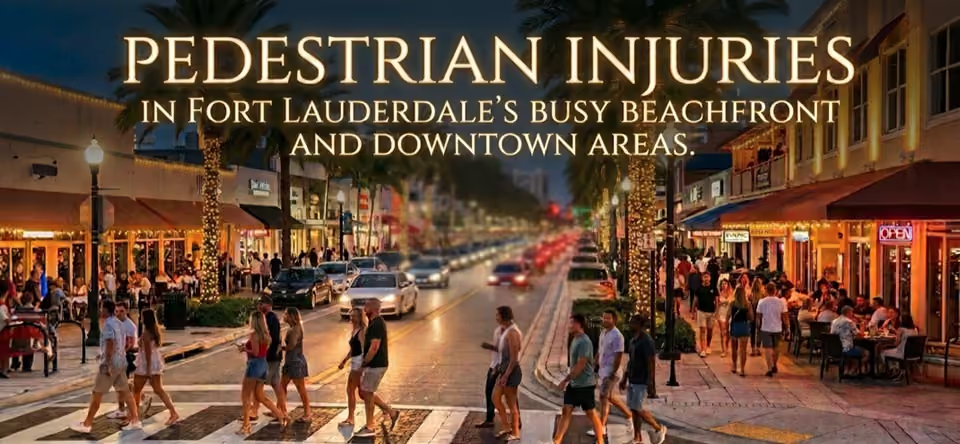
Fort Lauderdale is a city made for walking. Locals stroll Las Olas Boulevard for dinner and galleries, visitors cross A1A with beach chairs in hand, and the downtown entertainment districts fill with foot traffic every evening. It’s part of what makes this city special. But anyone who has tried to cross A1A on a busy Saturday knows the other side of that charm. Cars, scooters, rideshares, and delivery drivers all compete for the same space, and pedestrians are the most vulnerable people in that mix! Pedestrian injuries have become a growing concern across Broward County, and understanding why they happen matters to everyone who lives in or visits this city.
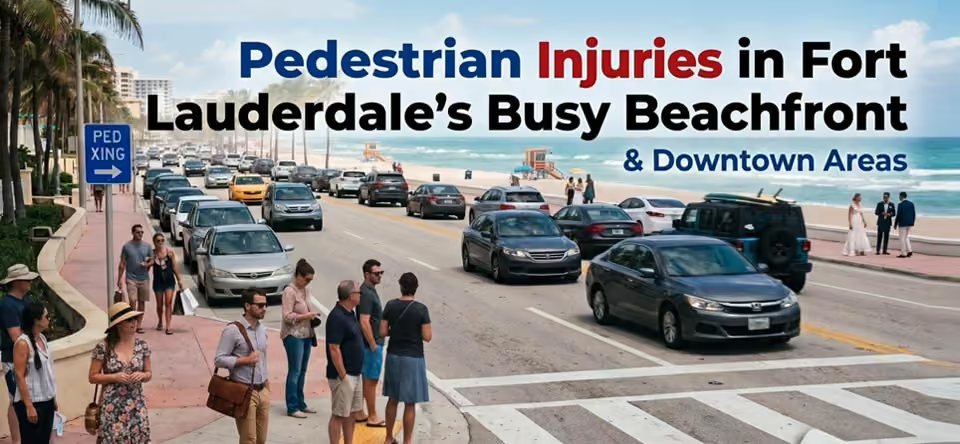
Why Fort Lauderdale Pedestrians Face Elevated Risks

Several conditions come together here in a way few cities experience. Pedestrian accidents in Fort Lauderdale often stem from:

  • Distracted drivers failing to yield at crosswalks along busy corridors like A1A and Sunrise Boulevard
  • Poorly lit streets near nightlife venues, where evening foot traffic is heaviest
  • Heavy tourism traffic with visitors navigating unfamiliar roads while searching for parking or attractions
  • Speeding and reckless driving along beachfront stretches, especially late at night and during peak season

Season matters too. When winter visitors and spring break crowds arrive, the number of cars and pedestrians sharing the beachfront multiplies, and so does the risk. A crosswalk that feels manageable in September can become genuinely dangerous in March.

The Injuries These Accidents Cause

When a vehicle strikes a person, there is no fair contest. Pedestrian victims frequently suffer fractures, head trauma, spinal injuries, and long-term mobility issues that can take months or years of recovery. Even a low-speed impact in a parking lot near the beach can cause serious harm, particularly for older residents and visitors. Beyond the physical toll, these injuries disrupt work, independence, and daily life, and the medical expenses that follow can strain any family's finances. For visitors, an injury far from home adds layers of complication, from finding local care to managing follow-up treatment after returning.

What People Typically Do After a Pedestrian Accident

In the aftermath of a pedestrian accident, victims and their families tend to focus on preserving an accurate record of what happened. They document the scene, taking photos of the crosswalk, traffic signals, vehicle positions, lighting conditions, and anything else that shows how the incident occurred. They also record their medical care thoroughly, noting injuries, treatments, and how the accident affects daily life over time. Getting contact information from witnesses matters greatly in pedestrian cases, since these accidents often come down to questions about signals, right of way, and driver attention that bystanders can help clarify. A police report adds an official record, and in busy areas like the beachfront, nearby businesses may have cameras that captured the moment.

A Safer City Benefits Everyone

Fort Lauderdale's vibrant streets should be safe to enjoy on foot, whether you’re a lifelong Broward County resident or visiting for a week of amazing sunshine. Raising awareness of pedestrian risks encourages more attentive driving, supports improved crosswalks and lighting, and pushes the city's planning in a safer direction. Every driver who slows down near the beach and every improved intersection makes a difference. Protecting pedestrians keeps this city what its always been, a welcoming place where people can walk, explore, and enjoy everything the beautiful coast has to offer!

If you or someone you love was injured as a pedestrian in Fort Lauderdale, along the beachfront, downtown, or anywhere in Broward County, Finman Law Group is here to listen and help. Reach out today for a free evaluation.

Staying safe on foot along Las Olas, A1A, and the entertainment districts

Fort Lauderdale is a city made for walking. Locals stroll Las Olas Boulevard for dinner and galleries, visitors cross A1A with beach chairs in hand, and the downtown entertainment districts fill with foot traffic every evening. It’s part of what makes this city special. But anyone who has tried to cross A1A on a busy Saturday knows the other side of that charm. Cars, scooters, rideshares, and delivery drivers all compete for the same space, and pedestrians are the most vulnerable people in that mix! Pedestrian injuries have become a growing concern across Broward County, and understanding why they happen matters to everyone who lives in or visits this city.

Why Fort Lauderdale Pedestrians Face Elevated Risks

Several conditions come together here in a way few cities experience. Pedestrian accidents in Fort Lauderdale often stem from:

  • Distracted drivers failing to yield at crosswalks along busy corridors like A1A and Sunrise Boulevard
  • Poorly lit streets near nightlife venues, where evening foot traffic is heaviest
  • Heavy tourism traffic with visitors navigating unfamiliar roads while searching for parking or attractions
  • Speeding and reckless driving along beachfront stretches, especially late at night and during peak season

Season matters too. When winter visitors and spring break crowds arrive, the number of cars and pedestrians sharing the beachfront multiplies, and so does the risk. A crosswalk that feels manageable in September can become genuinely dangerous in March.

The Injuries These Accidents Cause

When a vehicle strikes a person, there is no fair contest. Pedestrian victims frequently suffer fractures, head trauma, spinal injuries, and long-term mobility issues that can take months or years of recovery. Even a low-speed impact in a parking lot near the beach can cause serious harm, particularly for older residents and visitors. Beyond the physical toll, these injuries disrupt work, independence, and daily life, and the medical expenses that follow can strain any family's finances. For visitors, an injury far from home adds layers of complication, from finding local care to managing follow-up treatment after returning.

What People Typically Do After a Pedestrian Accident

In the aftermath of a pedestrian accident, victims and their families tend to focus on preserving an accurate record of what happened. They document the scene, taking photos of the crosswalk, traffic signals, vehicle positions, lighting conditions, and anything else that shows how the incident occurred. They also record their medical care thoroughly, noting injuries, treatments, and how the accident affects daily life over time. Getting contact information from witnesses matters greatly in pedestrian cases, since these accidents often come down to questions about signals, right of way, and driver attention that bystanders can help clarify. A police report adds an official record, and in busy areas like the beachfront, nearby businesses may have cameras that captured the moment.

A Safer City Benefits Everyone

Fort Lauderdale's vibrant streets should be safe to enjoy on foot, whether you’re a lifelong Broward County resident or visiting for a week of amazing sunshine. Raising awareness of pedestrian risks encourages more attentive driving, supports improved crosswalks and lighting, and pushes the city's planning in a safer direction. Every driver who slows down near the beach and every improved intersection makes a difference. Protecting pedestrians keeps this city what its always been, a welcoming place where people can walk, explore, and enjoy everything the beautiful coast has to offer!

If you or someone you love was injured as a pedestrian in Fort Lauderdale, along the beachfront, downtown, or anywhere in Broward County, Finman Law Group is here to listen and help. Reach out today for a free evaluation.

Additionally Reads

Why Greater Houston Insurance Claims Come Back Underpaid, and What Homeowners Do Next

Why Greater Houston Insurance Claims Come Back Underpaid, and What Homeowners Do Next

Received a low insurance settlement in the Greater Houston area? Learn why underpaid claims happen, what documentation helps, and how homeowners respond.

Why Broward County Roof Damage Claims Get Denied, and What Homeowners Can Do About It

Why Broward County Roof Damage Claims Get Denied, and What Homeowners Can Do About It

Roof damage in Broward County? Learn how storm damage claims typically work, what documentation matters, and where homeowners commonly run into trouble.

Accidents Involving Florida Hotel Shuttle Vans and Resort Transportation

Accidents Involving Florida Hotel Shuttle Vans and Resort Transportation

Hotel shuttle and resort transportation accidents are rising in Orlando, Miami Beach, and Tampa. Learn what passengers should know and how Finman Law Group helps.