

Topic:
Property & Casualty
Article content
Storm damage in Florida comes with the territory. Hurricanes, severe thunderstorms, hail, and tropical systems can cause significant damage in a matter of hours. While most homeowners understand they need to file an insurance claim after a storm, the process itself often involves complexities that aren't immediately that obvious.
Understanding what to expect, and what pitfalls to watch for, can make a real difference in how smoothly the claims process goes and what kind of settlement ultimately results.
One aspect of storm damage claims that catches some homeowners off guard involves timing. Florida law establishes specific deadlines that affect both policyholders and insurance companies.
Under current regulations, homeowners generally have one year from the date of a storm event to file a property damage claim. While a year might seem like plenty of time, the reality is that damage sometimes doesn't become fully apparent right away. Hidden water intrusion, structural issues that develop over time, or problems that only surface during repairs can complicate the timeline.
Insurance companies also face their own deadlines. They're required to acknowledge receipt of a claim within 14 days and conduct an inspection within 45 days under most circumstances. These timeframes exist to prevent unnecessary delays, though enforcement and actual practice don't always align perfectly.
Missing deadlines, on either side, can create complications that affect the outcome of a claim. It's one of those administrative details that seems minor until it becomes an actual problem.
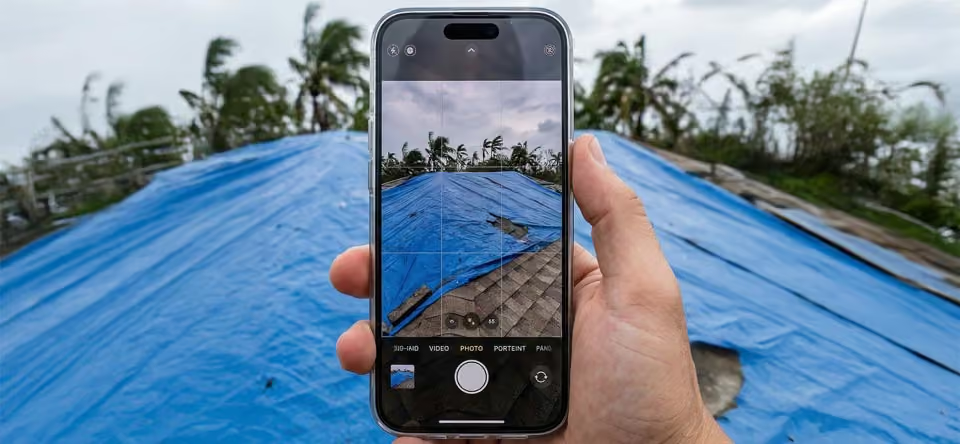
The strength of an insurance claim often comes down to how well the damage can be demonstrated. This is especially true with storm damage, where insurance companies sometimes dispute what was caused by the recent storm versus what might have been pre-existing.
Helpful documentation typically includes:
This evidence serves multiple purposes. It establishes what the damage looked like immediately after the storm, provides proof of temporary measures taken to protect the property, and also creates a record that can be referenced to later on if the insurance company's assessment differs from the homeowner's experience.
The challenge is that gathering this documentation needs to happen quickly, often during a stressful period when other priorities feel more urgent. But claims filed weeks or months after a storm, without contemporaneous evidence, can face more scrutiny and skepticism from insurers.
Storm damage policies can be surprisingly specific about what types of damage they cover. This is where many Florida homeowners run into unexpected issues.
Wind damage from hurricanes or severe storms is typically covered under standard homeowners policies. Hail damage, falling trees, and water intrusion caused by wind-driven rain through damaged roofs or windows also generally fall under standard coverage.
Flooding, however, usually requires separate flood insurance. This distinction matters more than many people realize, particularly in coastal areas or flood-prone zones. After a major storm, disputes sometimes arise about whether damage was caused by wind (covered) or flooding (not covered without separate flood insurance).
Reading through policy language before filing a claim can help identify potential coverage gaps or exclusions. Unfortunately, insurance policies aren't typically written in plain language, and interpreting what's actually covered versus what isn't covered, can genuinely be difficult without experience in reading these documents.
When a hurricane or major storm system affects a large area, insurance companies can be overwhelmed with claims. Thousands of homeowners all filing at once creates backlogs, delays, and situations where individual claims don't receive the attention they deserve.
During these periods, some patterns tend to emerge:
This doesn't mean every claim gets mishandled, but the environment after a major storm can make it harder for homeowners to navigate the process on their own.
Some storm damage claims proceed smoothly and the insurance company assesses the damage fairly, offers a reasonable settlement, and repairs move forward without major issues.
Others can become complicated. Coverage gets disputed, settlement offers don't align with actual repair costs, or the insurance company delays without clear explanation.
Property damage attorneys who work with storm claims understand Florida's insurance regulations, how to interpret policy language, and what tactics insurance companies commonly use to minimize payouts. They can handle communications with insurers, gather additional evidence when needed, and negotiate settlements that more accurately reflect the actual cost of repairs.
Dealing with storm damage to your Florida property? Finman Law Group works with homeowners and business owners on insurance claims throughout Florida.
Contact us at (786) 786-9633 to discuss your situation and learn about your options.





Document Hurricane Isaias damage the right way. Finman Law Group helps Florida owners with delayed, denied, or underpaid storm claims. Free evaluation.
Injured at a Florida hotel? Learn what evidence counts, what to do after the incident, and how Finman Law Group can help. Free evaluation.
Isaias could hit the Gulf Coast as a hurricane this weekend. Learn how Florida and Texas property owners can document, review coverage, and avoid bad contracts.